What Is Smart Home Tech? A Clear Guide for Homeowners
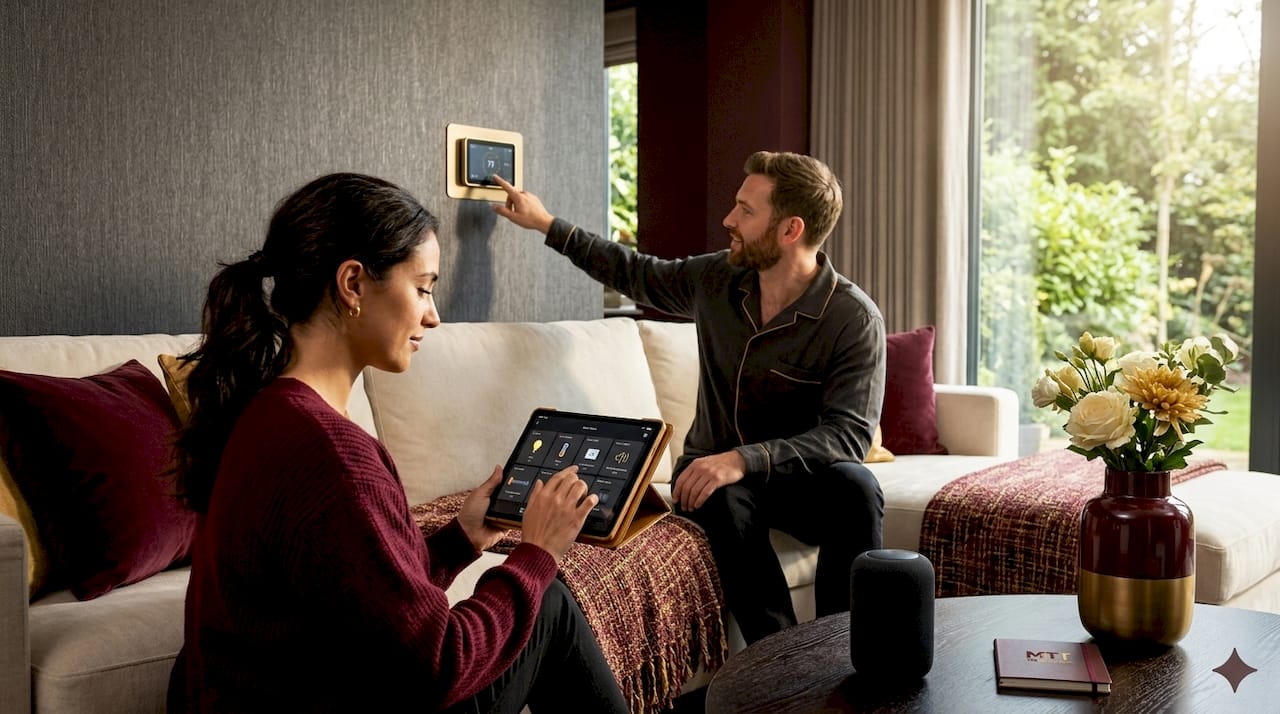
Smart home tech is defined as a network of internet-connected devices installed in a residence to automate, monitor, and control household functions remotely. The industry term for this broader category is home automation, and it covers everything from lights and thermostats to locks, cameras, and smoke detectors. Platforms like Amazon Alexa, Google Home, and Apple HomeKit serve as the control layer, while connectivity standards like Zigbee, Z-Wave, and the newer Matter protocol handle device communication. Whether you own your home or rent, understanding this technology means you can make smarter decisions about what to buy, how to set it up, and what to realistically expect.
How does smart home technology work?
A smart home connects devices through wireless protocols that let them send and receive commands. The most common protocols are Wi-Fi, Zigbee, Z-Wave, and the newer Matter standard. Each has trade-offs: Wi-Fi is universal but power-hungry, while Zigbee and Z-Wave use less energy and work well for battery-powered sensors.
At the center of most setups sits a hub or smart speaker. Devices like the Amazon Echo or Google Nest Hub act as the command center, receiving instructions from apps or voice commands and relaying them to connected devices. Without a hub or unified ecosystem, you end up managing multiple disconnected apps, and your devices cannot communicate with each other. This is one of the most common setup mistakes homeowners make.
Automation is where home automation becomes genuinely useful. You can create rules like “turn off all lights when the last person leaves” or “lower the thermostat at 10 PM.” These rules run based on schedules, sensor inputs like motion or temperature, or triggers from other devices. AI in smart homes is pushing this further, moving beyond fixed rules toward systems that learn your patterns and adapt without explicit programming.
The Matter protocol is the most significant development in smart home interoperability in years. It combines Thread, Wi-Fi, and Bluetooth radios into a single standard that device manufacturers across the industry are adopting. The practical result is fewer compatibility headaches when mixing brands.
Pro Tip: Before buying any device, check whether it supports Matter or your chosen ecosystem (Alexa, Google Home, or Apple HomeKit). One incompatible device can create an isolated island in your setup that never integrates cleanly.
What are the real advantages of smart home systems?
The most measurable benefit is energy savings. ENERGY STAR-certified smart thermostats reduce HVAC energy consumption by approximately 8 to 12% on heating and 8 to 15% on cooling, saving around $172 annually on average US electric bills. That payback period shrinks further when you factor in utility rebates, which many states offer for certified devices. For renters, a smart thermostat is often one of the easiest upgrades to install and remove without affecting the property.
Safety is the second major advantage. Modern smart smoke and carbon monoxide detectors send instant alerts to your smartphone and can initiate contact with emergency services. Fall detection features, available on some advanced sensors, use accelerometers to identify events and alert responders if no one responds within a set window. For households with elderly residents or young children, this is a meaningful upgrade over a standard alarm.
Convenience compounds over time. Remote control of locks, lights, and appliances means you can let in a delivery, turn off a forgotten light, or check a camera feed from anywhere with a signal. Routine tasks that used to require physical presence become one-tap or fully automated. This is where the lifestyle shift becomes real: your home starts working around your schedule rather than the other way around.
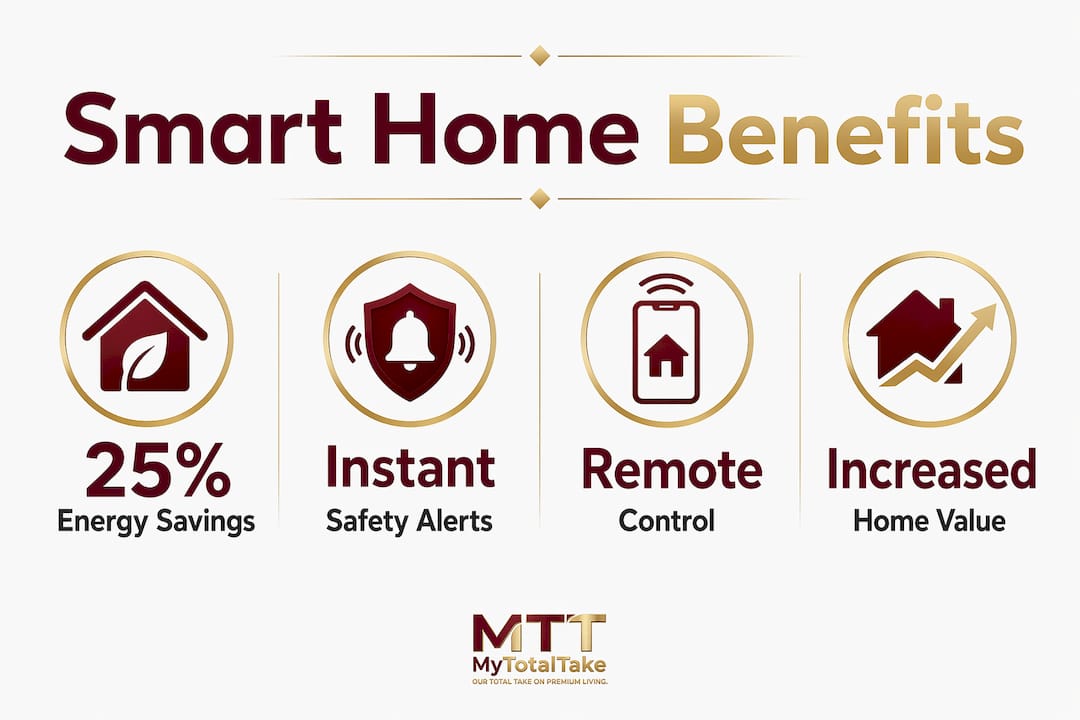
Smart home features also add measurable appeal when selling or renting a property. Buyers and renters increasingly expect connected amenities, and a well-integrated system signals a well-maintained, modern home.
Pro Tip: Check your utility provider’s website before purchasing a smart thermostat. Many offer rebates of $50 to $100 for ENERGY STAR-certified models, which can cut your payback period to under a year.
Comparing popular smart home devices and platforms
The best smart home devices fall into a few clear categories, each with leading products worth knowing:
- Smart lighting: Philips Hue and LIFX offer color-tunable bulbs that work with all major platforms. Lutron Caseta switches are preferred by those who want wall-switch control without replacing bulbs.
- Smart thermostats: Google Nest Thermostat and Ecobee are the two most recognized options, both ENERGY STAR certified and compatible with Alexa, Google Home, and Apple HomeKit.
- Security cameras: Arlo and Ring dominate the outdoor camera market. Both offer free tiers with limited cloud storage and paid plans for extended history.
- Smart locks: Schlage Encode and Yale Assure work with Matter and most major ecosystems, offering keypad and app-based entry without a hub.
- Smart plugs: TP-Link Kasa plugs are widely compatible and affordable, making them an ideal first device for anyone new to home automation.
The platform you choose shapes everything else. Here is a direct comparison of the four major ecosystems:
| Platform | Voice assistant | Best for | Matter support |
|---|---|---|---|
| Amazon Alexa | Alexa | Widest device compatibility | Yes |
| Google Home | Google Assistant | Android users, Nest devices | Yes |
| Apple HomeKit | Siri | Privacy-focused, iOS users | Yes |
| Matter (universal) | Platform-agnostic | Cross-brand interoperability | Native standard |
Subscription models are becoming a real cost factor. AI-enhanced features on cameras and voice assistants now commonly run $20 per month or more. Before committing to a platform, calculate the total annual cost including subscriptions, not just the device price. A camera that costs $80 upfront but requires $10 per month for cloud storage costs $200 in the first year.
What should you consider before adopting smart home tech?
The upfront cost of smart home devices is only part of the picture. Installation, subscription fees, and the time required to configure automations all add to the real investment. A thoughtful approach starts with identifying one or two genuine pain points, such as forgetting to turn off lights or wanting to monitor a front door, and solving those first before expanding.
Privacy is a legitimate concern. Most smart home devices send data to manufacturer cloud servers for processing. Local-first architectures like Home Assistant keep automations running on your own hardware, reducing latency and keeping your data off third-party servers. This approach requires more technical setup but gives you full control over what leaves your home network.
Interoperability operates at three distinct layers: the communication protocol (Zigbee, Z-Wave, Thread, Wi-Fi), the control platform (hub or app), and whether the system runs locally or through the cloud. A device can be compatible at the protocol level but still require a separate app if it does not integrate with your chosen platform. Building your ecosystem around a single hub or Matter-compatible devices from the start prevents this fragmentation.
Renters face an additional layer of consideration. Devices that require hardwiring, like in-wall switches or wired doorbells, may need landlord approval. Battery-powered and plug-in devices are almost always renter-friendly and portable.
Pro Tip: If privacy matters to you, look for devices that offer local processing or work with Home Assistant. You get the convenience of automation without routing every command through a corporate cloud server.
Key takeaways
Smart home technology delivers the most value when built around a unified ecosystem, starting with one or two devices and expanding deliberately rather than buying everything at once.
| Point | Details |
|---|---|
| Start with a protocol plan | Choose Matter-compatible devices or a single ecosystem before buying anything. |
| Energy savings are real | Smart thermostats save around $172 per year and often qualify for utility rebates. |
| Safety features go beyond alarms | Smart detectors send phone alerts and can contact emergency services automatically. |
| Subscriptions add up fast | Calculate annual costs including cloud fees before committing to a platform. |
| Local control protects privacy | Home Assistant and local-first setups keep your data off third-party servers. |
Why I think most people start smart home adoption backwards
I have watched homeowners spend $800 on a collection of smart devices from four different brands, only to end up with four separate apps and zero automation. The appeal of individual gadgets is real, but a smart speaker plus a smart bulb does not make a smart home. It makes two devices that happen to respond to voice commands.
The smarter path is to pick your ecosystem first. Decide whether you live in an Amazon Alexa household, a Google Home household, or an Apple HomeKit household, and then buy only devices that carry that certification. Once you have that foundation, adding devices feels natural because they actually talk to each other.
I am also watching the subscription fatigue issue closely. The shift toward AI-enhanced features behind monthly paywalls is real, and it changes the economics of smart home ownership in ways that were not obvious three years ago. My honest recommendation is to favor devices with strong free tiers or one-time purchase models, especially for cameras and doorbells.
The future of home automation is ambient intelligence, where your home adapts to you without requiring explicit commands. That future is arriving through Matter and on-device AI processing. Getting your ecosystem right now means you will be positioned to benefit from those upgrades without replacing everything you already own.
— Lysander
Upgrade your home with premium tech and design

At Mytotaltake, we believe a well-designed home is one where technology and elegance reinforce each other rather than compete. Smart home tech is one part of that picture. The other parts are the furniture, decor, and materials that make a space worth living in. Our curated guides on premium home enhancement ideas bring both worlds together, covering everything from luxury furniture selections to tech integration that fits the aesthetic of a refined home. If you are ready to move beyond individual gadgets and think about your home as a complete environment, that is exactly where we can help. Explore our tech gadgets in home decor guide to see how connected devices can complement rather than clutter your living space.
FAQ
What is smart home tech in simple terms?
Smart home tech is a collection of internet-connected devices that let you control, automate, and monitor your home remotely through apps or voice commands. Common examples include smart thermostats, lights, locks, and security cameras.
How does smart home tech work without a hub?
Without a hub, devices rely on Wi-Fi and connect individually to their own apps, which means they cannot communicate with each other or trigger shared automations. A hub or unified ecosystem like Amazon Alexa or Google Home is what turns separate devices into an integrated system.
What are the best smart home devices for beginners?
Smart plugs like TP-Link Kasa, a smart thermostat like Google Nest or Ecobee, and a smart speaker are the most practical starting points. They are affordable, widely compatible, and deliver immediate, noticeable benefits without complex installation.
Is smart home technology safe from a privacy standpoint?
Most devices send data to cloud servers, which carries inherent privacy trade-offs. Local-first platforms like Home Assistant keep all processing on your own hardware, reducing exposure significantly for privacy-conscious users.
Can renters use smart home technology?
Renters can use most smart home devices without landlord approval, particularly plug-in and battery-powered options like smart plugs, portable speakers, and wireless cameras. Hardwired devices like in-wall switches or wired doorbells typically require permission before installation.
Recommended
How to Buy Premium Bathroom Fixtures Online
Comments
[…] and even call your pet to the bowl. For others, it is unnecessary added cost. If you already have a home camera nearby, a simpler feeder may be the smarter […]











Leave a comment