
10 Best Smart Pet Feeders for Cats
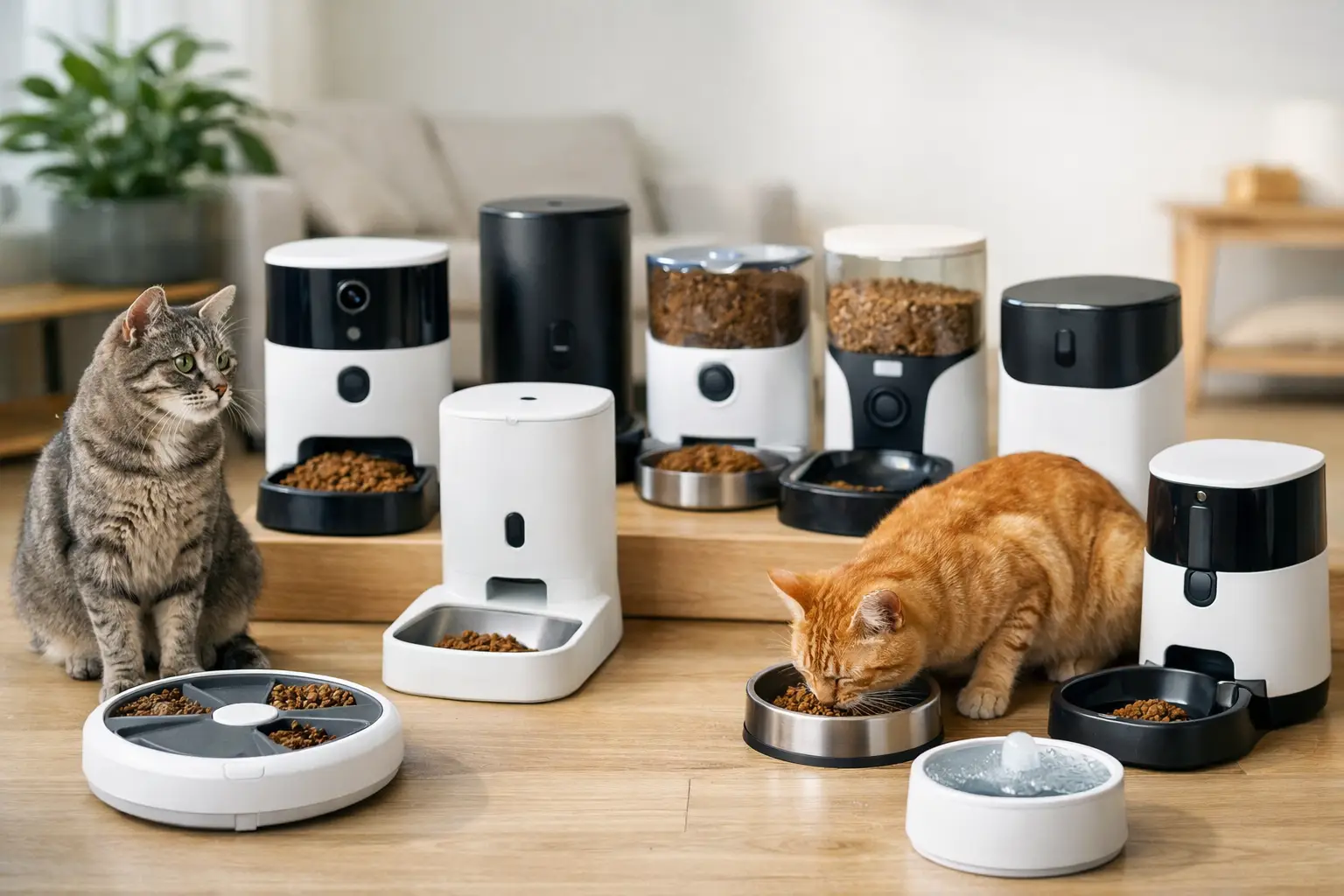
The difference between a smart feeder you love and one that ends up in the closet usually comes down to two things – portion accuracy and daily livability. The best smart pet feeders for cats do more than release kibble on a timer. They protect routine, preserve food freshness, fit your space, and make feeding feel less like guesswork and more like a well-designed part of your home.
For cat owners who care about both convenience and refinement, that distinction matters. A feeder sits in plain view, runs every day, and quietly shapes your pet’s health. If it looks clunky, jams often, or dispenses inconsistent portions, the smart features stop feeling premium very quickly.
What makes the best smart pet feeders for cats
A high-end smart feeder should solve a real household need. That might mean managing early-morning wake-up calls, maintaining a feeding routine during long workdays, or supporting portion control for a cat that grazes too enthusiastically. Good design is part of the appeal, but reliability is what earns a permanent place on your floor.
The first thing to assess is feeding precision. Many feeders promise programmable meals, yet the amount dispensed can vary depending on kibble size and shape. If your cat needs measured portions for weight management, look for a model known for consistency rather than just app polish.
Freshness is just as important. Dry food left in a poorly sealed hopper can lose aroma and crispness, and cats notice. A secure lid, desiccant support, and a protected dispensing path help preserve food quality over time.
Then there is power security. If your feeder relies only on a wall outlet, a brief outage can disrupt feeding. The better models offer battery backup, which is especially useful for households that travel, work irregular hours, or simply want peace of mind.
The features worth paying for
Not every smart function deserves a premium. Some are genuinely useful, while others read better on a product page than they perform in daily life.
App control that actually helps
Remote feeding is one of the strongest reasons to buy a smart feeder. Being able to trigger a meal from your phone, check schedule status, or adjust portions without crouching over buttons is a practical upgrade. The best apps are clean, stable, and fast. If the app is glitchy, the feeder feels far less sophisticated than its price suggests.
Portion settings with enough range
Cats vary widely in age, activity level, and appetite. A feeder should allow enough flexibility for small, frequent meals or more traditional twice-daily feeding. This matters even more in multi-pet households where one cat is athletic and another is notably less so.
Camera and audio features
Some smart feeders include a built-in camera and two-way audio. For some owners, that is a worthwhile luxury. You can verify that food was dispensed, check whether the right cat is eating, and even call your pet to the bowl. For others, it is unnecessary added cost. If you already have a home camera nearby, a simpler feeder may be the smarter buy.
Anti-jam design
This feature deserves more attention than it gets. Feeders can clog when kibble is too large, oily, or irregularly shaped. A strong motor, thoughtful chute design, and clear size recommendations will save you far more frustration than flashy extras.
10 standout options to consider
The best smart pet feeders for cats are not all built for the same home. Some prioritize elegant simplicity. Others lean into advanced monitoring.
1. PETLIBRO automatic feeders
PETLIBRO models have become popular for good reason. They tend to balance clean design, dependable scheduling, and reasonable app functionality. For cat owners who want a feeder that looks polished without becoming a tech project, this category is often a strong starting point.
Their better models typically offer stainless steel bowls, dual power options, and straightforward programming. They are especially appealing for single-cat homes and owners who want reliable dry-food automation without overcomplicating the setup.
2. WOPET smart feeders
WOPET feeders often appeal to buyers who want app control and voice recording at an accessible premium tier. The styling is modern enough for most kitchens and utility spaces, and setup is usually simple.
The trade-off is that performance can vary by model, so it is worth checking the specific hopper size and portion settings. For routine feeding of standard dry kibble, they can be a practical fit.
3. Cat Mate C500 for wet food
If your cat prefers wet food, the conversation changes entirely. Most smart feeders are designed for kibble, but the Cat Mate C500 serves a different need with compartment-based timed feeding.
It is not the sleekest option, nor is it app-connected in the way many smart-home shoppers expect. Still, for cats with wet-food diets or medication schedules, function may matter more than digital flair.
4. PetSafe Smart Feed
PetSafe’s Smart Feed remains one of the better-known connected feeders, and it earns attention for dependable scheduling and broad recognition in the pet-tech market. It suits owners who want a mature product ecosystem rather than a newer design-first entrant.
Its look is more functional than decorative, but it tends to deliver where it matters. If your priority is trustworthy automation over visual minimalism, this is one to keep on your shortlist.
5. SureFeed Microchip Pet Feeder Connect
This is a more specialized pick, but it can be excellent in the right household. Rather than dispensing scheduled meals from a hopper, it uses pet recognition to open for the correct cat.
That makes it ideal for multi-cat homes where one pet steals food, needs prescription diets, or should not graze freely. It is a premium solution to a specific problem, and for the right buyer, it feels transformative.
6. Arf Pets automatic feeders
Arf Pets feeders are often chosen for straightforward performance. They usually focus on core features like timed meals, portion control, and voice recording without adding too much visual bulk.
They may not deliver the most elevated app experience, but they can suit shoppers who want clean functionality at a sensible price point. Think of them as practical rather than indulgent.
7. HoneyGuaridan smart feeders
HoneyGuaridan models often stand out for portion flexibility and anti-jam engineering. That combination can be especially useful for cats on calorie-conscious feeding plans.
The styling is simple, but many owners appreciate the clear controls and reliable output. If precision matters more than aesthetics, this brand is worth serious consideration.
8. Faroro automatic pet feeders
Faroro feeders typically appeal to value-conscious shoppers who still want modern styling and app-based convenience. In the right setup, they can offer a strong balance of features for the price.
As with many app-controlled feeders in this tier, the long-term experience depends on software stability and Wi-Fi reliability. For a secondary residence, office, or less demanding feeding routine, they can make sense.
9. Voluas automatic feeders
Voluas models are often compact and easy to place, which matters in apartments, smaller kitchens, or homes where visual clutter is a concern. They tend to emphasize daily convenience over advanced monitoring.
This can be a smart choice for cat owners who want better routine without a large appliance footprint. Smaller size, of course, means more frequent refilling.
10. Feeder-Robot by Whisker
For those shopping at the premium end, the Feeder-Robot brings a more elevated connected experience. It is designed for owners who care about refined engineering, app integration, and cleaner visual presence.
The price is higher, but so is the sense of product maturity. If you prefer fewer compromises and want your pet tech to feel in step with a thoughtfully designed home, this is one of the most compelling options available.
How to choose the right feeder for your cat
Start with your cat’s diet, not the product photography. If your cat eats only wet food, most hopper-style smart feeders are immediately out. If your cat eats prescription kibble with large or unusual shapes, compatibility matters more than camera quality.
Then think about your routine. A feeder for occasional late nights is different from one that needs to support daily structure while you commute, travel, or manage a demanding schedule. If reliability is non-negotiable, prioritize battery backup and anti-jam performance before extras.
Your space deserves consideration too. A feeder lives where your cat eats, which may be in a kitchen, breakfast nook, laundry area, or open-plan living space. Design-forward households often prefer matte finishes, compact forms, and stainless steel components that feel cleaner and more intentional. That is not vanity – it is part of choosing products that suit the way you live.
A few trade-offs worth knowing
No smart feeder is perfect. App-connected models offer more control, but they also introduce another point of failure if your Wi-Fi is unstable. Simpler feeders may be less glamorous, yet they can be more dependable over time.
Large hoppers are convenient, but they are not always the freshest option if your cat eats slowly or you rotate foods often. Camera-equipped feeders sound luxurious, though not every home needs that level of oversight. The best choice is usually the one that matches your feeding habits without adding friction.
For many households, a smart feeder is not just a pet accessory. It is a quality-of-life upgrade – one that supports routine, protects your cat’s diet, and adds a little more calm to the day. Choose the model that fits your home as well as your cat, and you will feel the difference at every mealtime.









Leave a comment