
How to Measure for a Sofa That Fits
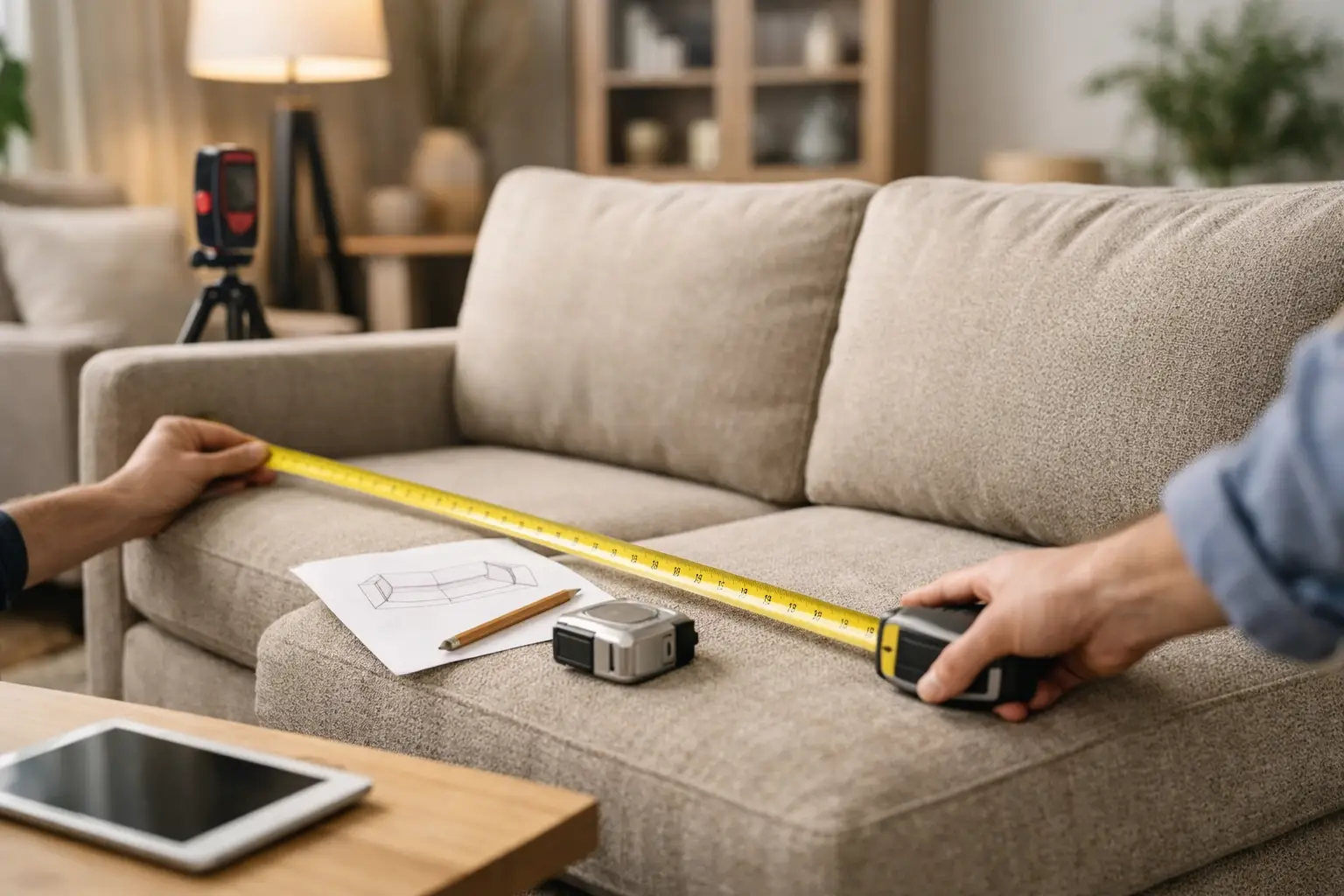
A sofa can look flawless on screen and still fail the moment it reaches your front door. The most common mistake is not style, fabric, or even color – it is scale. If you are wondering how to measure for a sofa, the goal is simple: make sure it fits your room, your layout, and the path it must travel to get there.
A well-measured sofa feels effortless once it is in place. It anchors the room, supports the way you live, and leaves enough breathing room for everything around it. That polished, high-end look rarely happens by accident. It starts with a tape measure and a clear plan.
How to Measure for a Sofa Before You Buy
Start with the room itself, not the sofa listing. Measure the length and width of the space, then note ceiling height if the room is compact or has architectural features like low windows, radiators, or sloped ceilings. Record every number in inches, since most furniture dimensions in the US are listed that way.
Next, decide where the sofa will sit. Measure the maximum width available along that wall, but do not treat that number as your target sofa size. A sofa should not appear wedged in. In most living rooms, you want visible space at both ends unless you are intentionally designing a built-in look.
Depth matters just as much as width. Many buyers focus on whether the sofa fits across the wall and forget how far it projects into the room. In an open-plan space, a deeper sofa can feel luxurious and lounge-ready. In a narrower apartment or smaller family room, too much depth can interrupt traffic flow and make the room feel crowded.
A good rule is to leave enough clearance for natural movement. If people need to squeeze sideways to pass the coffee table, the sofa is too large for the layout, even if it technically fits the room.
Measure the Placement Zone, Not Just the Room
The placement zone is the exact footprint your sofa will occupy. This is where precision makes a visible difference.
Use painter’s tape on the floor to outline the sofa’s width and depth. If possible, include the position of a coffee table, side tables, accent chairs, or a media console. Seeing the footprint at full scale quickly reveals whether the proportions feel balanced.
This step is especially useful with sectionals, chaise sofas, or extra-deep designs. A sectional may fit the room dimensions on paper but still overwhelm a window line or cut into a walkway. Tape gives you a more honest preview than numbers alone.
When measuring the placement zone, think about visual weight too. A sofa with wide arms will feel more substantial than one with slim track arms, even at a similar width. Likewise, low-profile modern silhouettes tend to read lighter than rolled-arm or overstuffed designs. If your room is already filled with statement pieces, a cleaner frame often gives you more elegance with less bulk.
The Key Sofa Dimensions to Check
Product dimensions can be easy to skim past, but each one affects comfort and fit in a different way.
Overall width tells you how much wall space the sofa occupies. Overall depth tells you how far it extends into the room. Overall height matters for window placement, sight lines, and whether the sofa will feel airy or imposing.
Then there are the comfort dimensions. Seat depth influences how the sofa feels once you sit down. A deep seat is ideal for lounging, taller users, or layered pillows. A shallower seat tends to feel more upright and supportive, which some people prefer for formal living rooms or everyday conversation.
Seat height also matters. Lower sofas can look sleek and contemporary, but they are not always the easiest to get in and out of. If comfort for guests, family use, or long evenings matters most, check that the seat height works for the way you actually live.
If you are furnishing a refined, design-forward room, the right measurements do more than prevent mistakes. They help you choose a piece that feels tailored rather than oversized.
Don’t Forget Delivery Clearance
This is the part many shoppers miss, and it is often the reason a beautiful sofa becomes a logistical headache. Knowing how to measure for a sofa includes measuring the route from outside your home to the final room.
Start at the building entrance. Measure the width and height of exterior doors, entry halls, apartment corridors, stairwells, elevators, interior doors, and any sharp turns. If the sofa must go up stairs, measure ceiling height above the staircase as well.
For tight spaces, compare those numbers with the packaged dimensions if they are available, not just the assembled sofa dimensions. Some sofas arrive fully assembled, while others have removable legs or modular pieces that make delivery easier. That detail can make a major difference in condos, older homes, and city apartments.
A helpful checkpoint is the diagonal depth of the sofa. This can determine whether it can pivot through a doorway or around a corner. If a sofa’s height and depth are close to your doorway measurements, do not guess. Tight clearance calls for exact math, especially with rigid frames.
In premium furniture shopping, convenience matters as much as appearance. A sofa that arrives smoothly and fits on the first attempt is part of the luxury.
How to Measure for a Sofa in Small Rooms
Small spaces demand discipline. The instinct is often to choose the smallest sofa possible, but that can leave the room feeling underfurnished and less inviting. The better move is to choose a sofa with the right proportions for the room and a silhouette that keeps the visual profile light.
Measure your main walkway first. Then measure the distance between the sofa and the coffee table area, and between the sofa and any opposing furniture. In compact rooms, a sofa with narrower arms can save several inches without sacrificing seating. Raised legs can also help a piece feel less heavy.
If you are torn between a loveseat and a full-size sofa, think beyond wall width. Consider how many people actually use the room, how often you entertain, and whether you need the sofa for lounging, reading, or movie nights. A slightly larger sofa can be the better choice if the room still has enough circulation space.
For studio apartments or multipurpose spaces, sectionals are not automatically off the table. A compact chaise sectional can define a living zone beautifully, but only if the chaise side does not block access or crowd adjacent furniture.
Common Measuring Mistakes That Cost People Later
The first mistake is measuring only one number – usually wall width. A sofa exists in three dimensions, and the room does too.
The second is ignoring trim, baseboards, radiators, and window sills. These details can steal inches where you least expect it. A sofa may fit the wall but sit awkwardly because the back hits a sill or the arm presses into a radiator cover.
Another common issue is forgetting about reclining or sleeper functionality. If the sofa reclines, measure the full extension needed behind and in front of the piece. If it opens into a bed, account for the sleeping length and the clearance required to walk around it.
Then there is the assumption that all dimensions are equal in real life. They are not. A 90-inch sofa with slim arms can seat very differently from a 90-inch sofa with oversized rolled arms. That is why overall dimensions and interior seat dimensions both matter.
A Simple Measuring Process That Works
Measure the room first and note permanent features. Map the exact placement zone next. Then compare that footprint with the sofa’s width, depth, and height. After that, measure the full delivery path from the building entrance to the final location.
If you want added confidence, mark the sofa footprint with tape and live with it for a day. Walk around it. Open nearby doors. Sit in surrounding chairs. This quick test often reveals layout issues that numbers alone miss.
It also helps to keep a small margin for comfort. A sofa that barely fits tends to look accidental. A sofa with a little breathing room feels curated, elevated, and more expensive.
That is the difference between simply buying furniture and selecting a piece that improves the entire room. At My Total Take, that distinction matters. Great design is not just about what you choose. It is about choosing it with intention.
The right sofa should arrive like it was always meant for the space – generous, balanced, and easy to live with. Measure for that feeling, not just the frame.









Leave a comment