
Guide to Buying a Bathroom Exhaust Fan
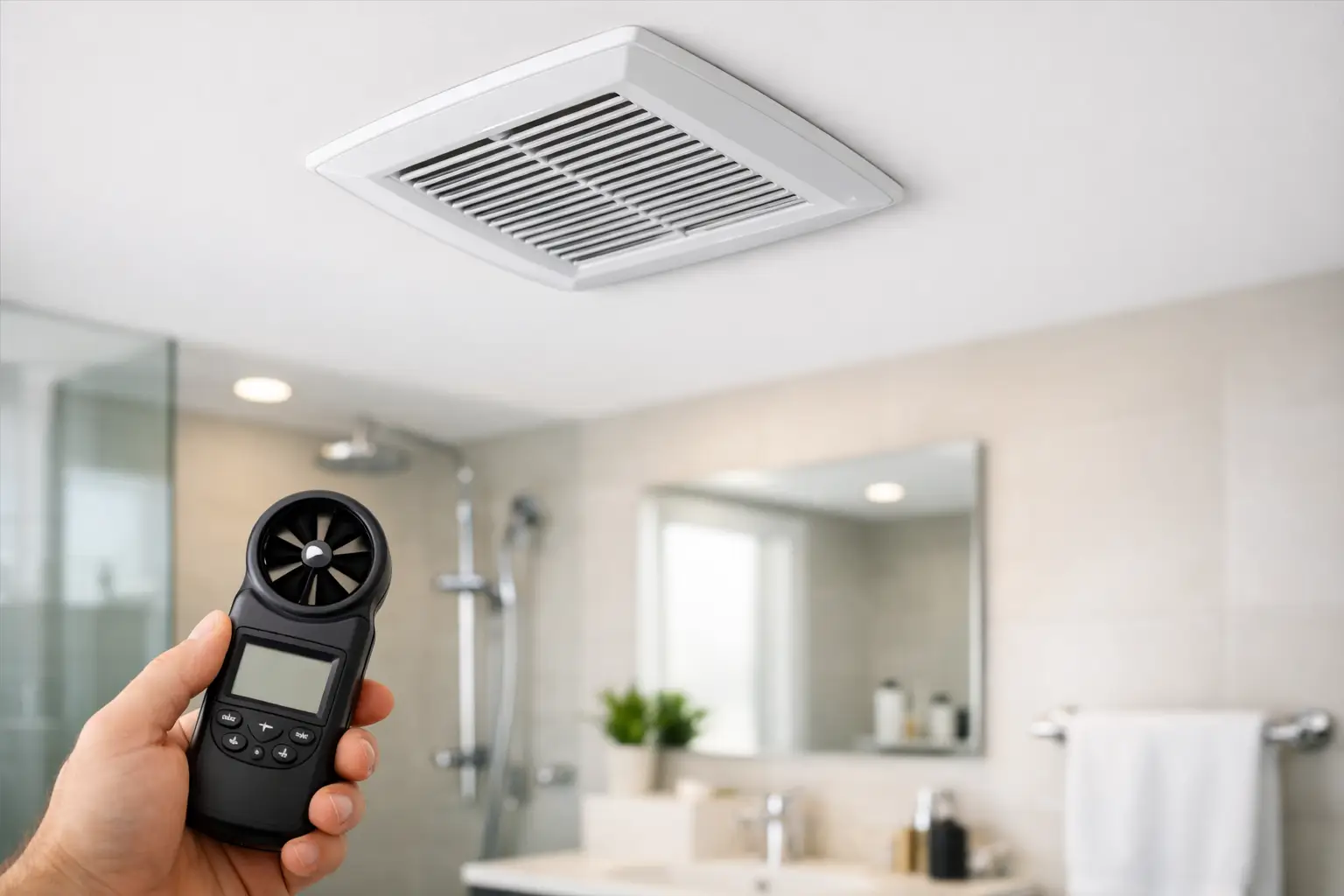
A bathroom can look beautifully finished and still feel off if the air never clears. Steam clings to mirrors, paint starts to peel, towels stay damp, and that polished, spa-like atmosphere disappears fast. This guide to buying a bathroom exhaust fan is designed to help you choose a model that protects your space, supports better air quality, and fits the level of refinement you want from every room in your home.
Why the right fan matters more than most people think
An exhaust fan is easy to treat like a background utility – something small, purely functional, and not worth much attention. In practice, it has a direct effect on comfort, maintenance, and the lifespan of your finishes. Moisture that lingers in a bathroom can gradually damage drywall, grout, cabinetry, and trim. Even in a compact powder room, poor ventilation can leave the space feeling stale.
The right fan does more than remove humidity. It helps preserve the clean lines of tile, the finish on your vanity, and the everyday freshness that makes a bathroom feel intentional rather than purely practical. If you are investing in a better bathroom, ventilation deserves the same care as lighting, fixtures, and storage.
Guide to buying a bathroom exhaust fan: start with the right size
The first decision is performance, and that starts with CFM, or cubic feet per minute. This number tells you how much air the fan can move. If the fan is undersized, it will struggle to clear steam. If it is oversized, you may pay more than necessary and potentially remove conditioned air faster than you want.
For many standard bathrooms, a simple rule works well: aim for at least 1 CFM per square foot of floor space. A 50-square-foot bathroom generally needs at least a 50 CFM fan. Larger bathrooms, bathrooms with high ceilings, and primary baths with soaking tubs or walk-in showers often need more.
If your space includes a jetted tub, frequent long showers, or limited natural airflow, it is smart to size up. A little extra capacity can create a more comfortable margin, especially in homes where the bathroom gets heavy daily use. The trade-off is that more power is not automatically better. A fan that is dramatically larger than the room may feel excessive for a small, design-focused space.
Noise level can change how luxurious the room feels
One of the biggest differences between an average fan and a well-chosen one is sound. Fan noise is measured in sones. The lower the sone rating, the quieter the fan.
If you want a bathroom to feel calm and elevated, avoid treating noise as an afterthought. A fan rated around 1.0 sone or lower will typically feel much more discreet than older or builder-grade options. Ultra-quiet models can be especially appealing in en suites, guest baths near living spaces, or homes where early mornings and late nights call for a little more peace.
That said, some buyers prefer a bit of audible airflow for privacy. If that is your preference, a whisper-quiet fan may not be essential. This is one of those details where it depends on the room and how you use it. In a family bathroom, moderate sound can be perfectly acceptable. In a primary bath designed as a private retreat, quieter usually feels more premium.
Choose features that support the way you live
Not every bathroom needs extra features, but the right ones can make the fan feel less like a hidden utility and more like a thoughtful upgrade.
Humidity sensors are one of the most useful additions. These allow the fan to turn on automatically when moisture levels rise, which is ideal if people in the household forget to switch it on or off. Motion sensors can also be convenient in busy homes or guest bathrooms.
Integrated lighting is another option worth considering, especially if you want to simplify the ceiling line. Some exhaust fans combine ventilation with LED lighting or even a night light. This can be a smart choice in smaller bathrooms where every fixture matters visually. The key is to make sure the light quality suits the room. A harsh, cool-toned LED can undermine an otherwise warm, sophisticated design scheme.
You may also see fans with heaters. These can be appealing in colder climates or in bathrooms that tend to feel chilly after showers. They add comfort, but they also increase complexity and often require more planning for installation and electrical load.
Pay attention to installation style before you buy
A beautiful fan on paper is still the wrong fan if it does not suit your ceiling, ducting, or available space. Before choosing a model, check whether you need a ceiling-mounted or wall-mounted unit and whether your current setup supports a straightforward replacement.
For many homes, ceiling-mounted fans are the standard choice. If you are replacing an older unit, dimensions matter. A fan housing that does not fit the existing opening can turn a simple swap into a larger drywall and electrical project.
Duct size and vent path also matter more than many shoppers expect. A strong fan paired with poor ducting will not perform as well as it should. Long or complicated duct runs can reduce efficiency and increase noise. If your bathroom has no existing fan, installation becomes more involved, and that is often where professional guidance is worth the investment.
Style still matters, even for a ceiling fan
In a premium bathroom, visual consistency counts. While exhaust fans are not usually the focal point, they are still part of the finished environment. The grille design, trim profile, and overall footprint can either blend in quietly or interrupt the room.
For a clean, modern bathroom, look for low-profile designs with crisp lines and minimal visual bulk. In more transitional spaces, a slightly softer trim style may feel more at home. If the fan includes lighting, make sure the diffuser and finish work with your existing fixtures rather than competing with them.
This is where a curated approach helps. The best choices tend to feel considered, not merely installed. A bathroom with stone surfaces, elevated hardware, and refined lighting deserves ventilation that supports the same standard.
Energy efficiency is worth considering
A bathroom exhaust fan does not use the same amount of power as a major appliance, but energy efficiency still matters – especially if the fan runs frequently or automatically through a humidity sensor.
Energy-efficient models can help lower operating costs over time while offering better motor quality and quieter performance. In many cases, a more thoughtfully engineered fan delivers a better ownership experience overall. That means less noise, more reliable moisture control, and fewer reasons to replace it early.
For buyers who value long-term quality over quick fixes, this is often where spending a little more upfront pays off.
When to spend more and when a simpler fan is enough
A guest powder room used occasionally does not always need the same performance level as a heavily used primary bath. If the room is small and sees light use, a straightforward, quiet, properly sized fan may be all you need.
But if you are upgrading a primary bathroom, renovating with premium finishes, or creating a more luxurious daily routine, it makes sense to choose a fan with stronger airflow, lower noise, and smarter controls. Better performance helps protect bigger investments, from custom vanities to large-format tile and painted millwork.
This is not about buying the most expensive model by default. It is about matching the fan to the role the bathroom plays in your home.
Common buying mistakes to avoid
The most common mistake is choosing by price alone. A low-cost fan can be tempting, but if it is loud, underpowered, or short-lived, it rarely feels like value.
Another common issue is underestimating room conditions. Two bathrooms with the same square footage may need different solutions if one has a higher ceiling, an enclosed shower, or heavier daily use. It is also easy to overlook appearance. In a design-forward home, even practical upgrades should feel cohesive.
And finally, many shoppers assume installation will be simple without verifying housing size, duct compatibility, and electrical needs. A few measurements before purchase can save a great deal of frustration afterward.
How to make the final choice with confidence
If you want a dependable formula, focus on five things: proper CFM, a low sone rating, a style that suits your bathroom, features you will actually use, and installation compatibility. That combination usually leads to a fan that feels less like a compromise and more like a lasting upgrade.
For shoppers building a home that feels elevated in every detail, even the hidden systems matter. At mytotaltake.com, the best home choices are the ones that blend performance with polish – and a bathroom exhaust fan is no exception.
Choose the fan that keeps your space clear, quiet, and well cared for, and your bathroom will reward you every day with a fresher, more finished kind of comfort.










Leave a comment