
What Is Heritage Craftsmanship and Why It Matters
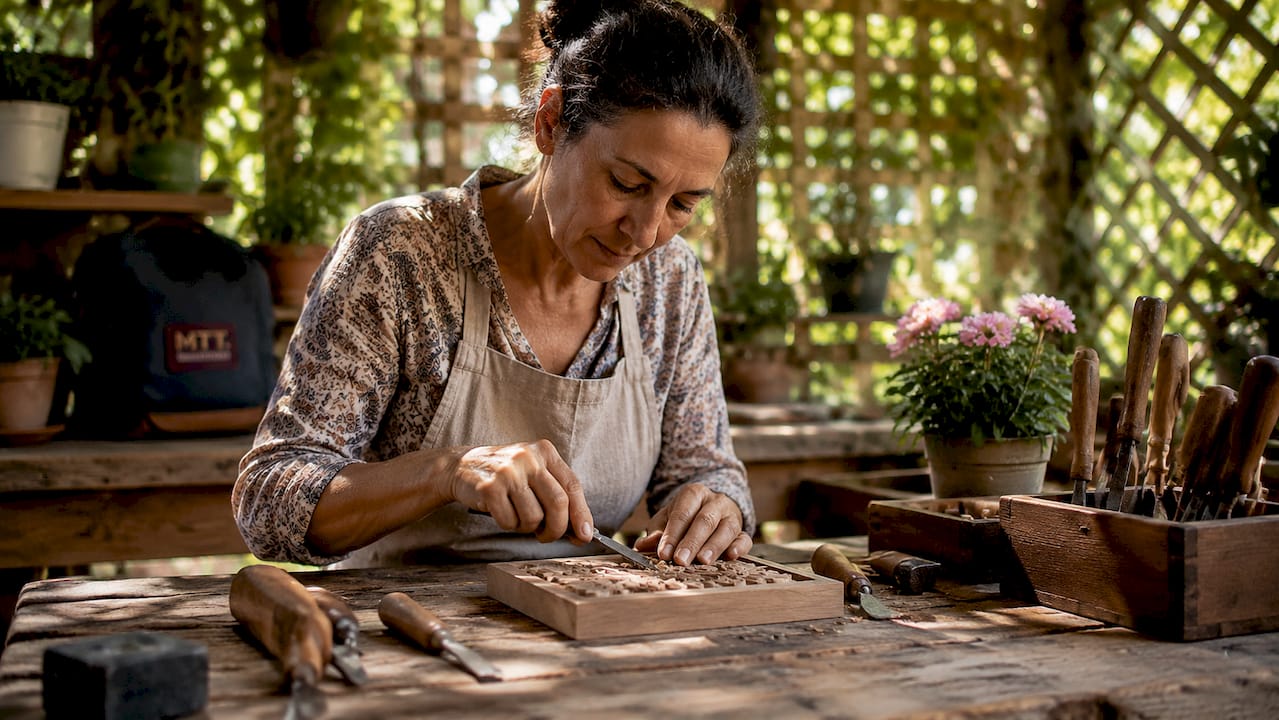
Heritage craftsmanship is defined as the living, community-recognized practice of transmitting traditional skills and knowledge across generations, forming a core part of cultural identity. The term aligns with what UNESCO formally calls intangible cultural heritage, which frames traditional craftsmanship as an expression tied to cultural identity and actively transmitted over time. This is not about preserving old objects in glass cases. It is about keeping the knowledge, judgment, and technique alive in the hands of real makers. From linen beetling in Northern Ireland to the restoration of centuries-old timber buildings, heritage craftsmanship shapes how communities understand themselves and how designers build lasting value today.
What is heritage craftsmanship, really?
Heritage craftsmanship is the ongoing practice of traditional skills, not a catalog of finished objects. UNESCO clarifies that intangible cultural heritage is living and adaptive, stressing ongoing practice and cultural grounding rather than static preservation. That distinction matters enormously. A handwoven textile displayed in a museum is an artifact. The weaver who still knows the pattern, the tension, and the seasonal timing of the fiber is the actual heritage.
The concept covers a wide range of disciplines. Blacksmithing, lace-making, thatching, stone masonry, and textile finishing all qualify when they are actively practiced and taught within a community. Heirlooms represent both tangible artifacts and proof that craft practices and skills continue to be learned and maintained. The object is evidence. The living knowledge behind it is the real inheritance.
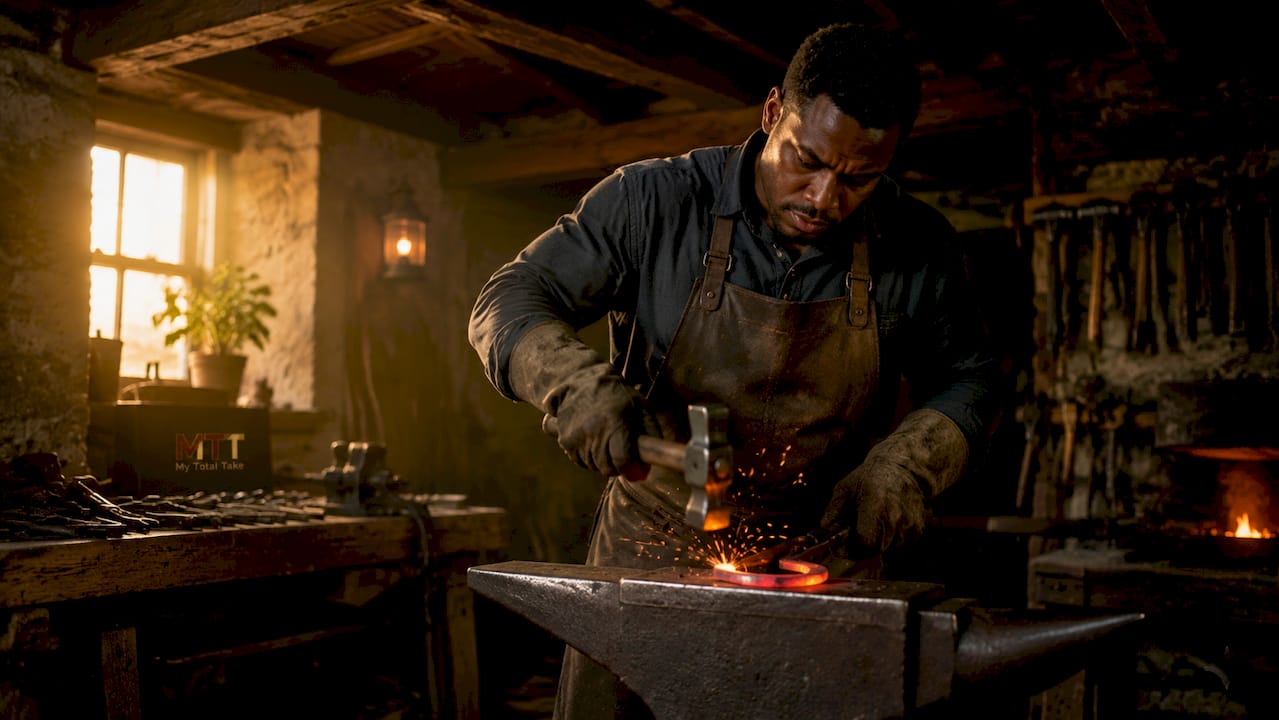
What defines craftsmanship at this level is the combination of embodied skill, cultural context, and generational continuity. You cannot separate the technique from the community that developed it. That is what makes heritage craftsmanship distinct from general skilled work.
How are heritage craftsmanship skills transmitted?
Transmission is the critical mechanism that keeps heritage crafts alive. Finland’s Taito organization identifies skill transmission as central to keeping craft culture alive, with a focus on new makers and continuity rather than documentation alone. Writing down a process is useful. Watching a master do it, then doing it yourself under their guidance, is irreplaceable.
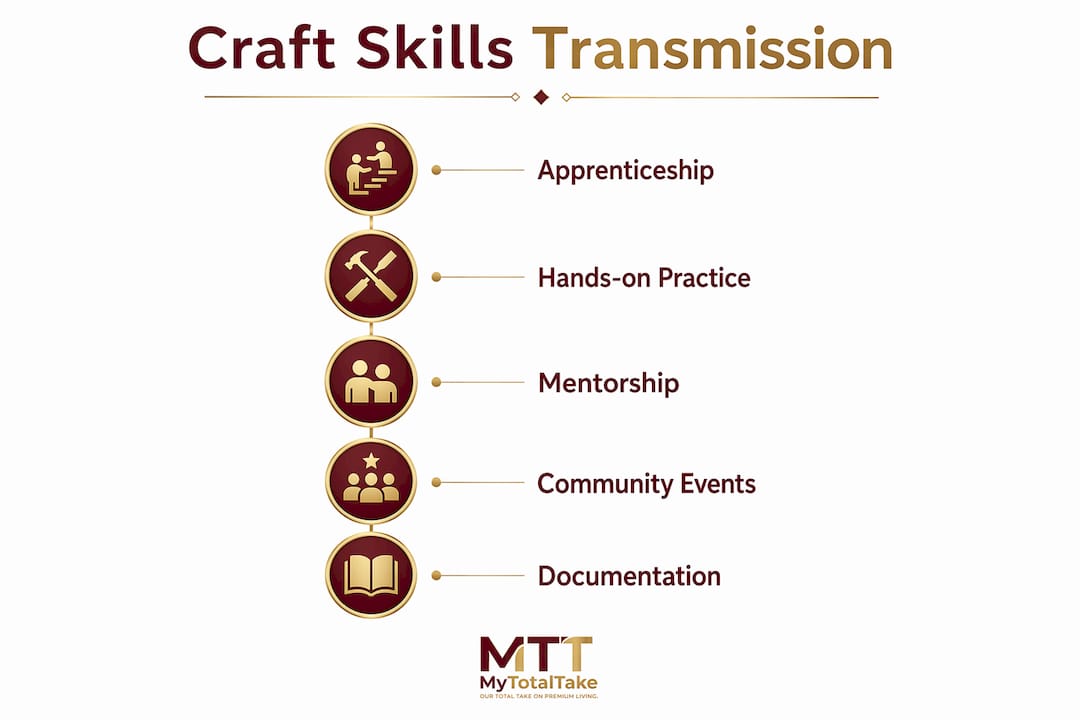
The primary transmission methods in heritage craftsmanship include:
- Apprenticeship: A new maker works directly alongside an experienced practitioner, absorbing judgment calls and physical technique that no manual captures.
- Hands-on mentoring: Structured or informal teaching where the mentor corrects technique in real time, often over months or years.
- Community practice: Craft circles, guilds, and cultural organizations maintain group knowledge and create social accountability for quality.
- Demonstration and observation: Watching a skilled maker work builds pattern recognition before a student ever picks up a tool.
Passing skills to new makers is the critical safety mechanism for heritage crafts, beyond just documentation. A craft that exists only in books is already endangered. A craft practiced by even a small community of active makers retains its vitality.
Restoration work illustrates this well. Bokrijk, the Belgian open-air museum and heritage research center, notes that restoration skills are vital intangible craftsmanship for conserving built heritage. Repairing a 17th-century timber frame requires someone who understands how that wood was originally worked, not just how wood behaves in general. That knowledge lives in people, not textbooks.
Pro Tip: If you want to understand a heritage craft deeply, find a practitioner and ask to watch them work. One hour of observation teaches more than ten hours of reading.
What techniques define heritage craftsmanship?
Heritage craft techniques are defined by complexity, sequence, and embodied judgment. The processes are rarely linear. They involve cycles, adjustments, and decisions that only an experienced maker can navigate correctly.
Linen beetling: a master class in process
Linen beetling is one of the most technically demanding examples of traditional crafting methods still practiced today. The beetling process involves pounding fabric over several weeks with cycles, natural starch, and careful quality decisions made continuously by the craftsperson. The goal is to flatten the linen fibers and create the characteristic sheen associated with high-quality Irish linen.
The process requires the maker to judge fabric readiness at multiple stages. Some heritage crafts depend on time and sequence-based processes where quality is judged continuously during production, not just at the end. This is the opposite of industrial quality control, where a machine checks the finished product. In beetling, the maker’s ongoing attention is the quality system.
Four dimensions of heritage craft technique
| Dimension | What It Means | Example |
|---|---|---|
| Sequence adherence | Steps must occur in a fixed order | Linen beetling cycles cannot be skipped |
| Material knowledge | Understanding how natural materials behave | Knowing when linen fiber is ready for the next stage |
| Embodied judgment | Decisions made through touch, sight, and experience | Assessing fabric tension by hand |
| Restoration expertise | Applying traditional methods to existing structures | Repairing historic masonry with period-appropriate lime mortar |
- Preparation: The maker selects and prepares raw materials using knowledge of their origin and properties.
- Processing: The material moves through defined stages, each requiring specific tools and timing.
- Evaluation: The maker assesses quality at each stage, adjusting technique based on what they observe.
- Finishing: Final treatments are applied with the same hands-on judgment used throughout.
Heritage crafts often involve multi-stage processes where intermediates are invisible. Understanding quality requires knowledge of the maker’s ongoing actions, not just the final result. That is why a trained eye can spot the difference between a heritage-crafted piece and a machine-made imitation even when both look similar at first glance.
Pro Tip: When evaluating a heritage-crafted object, ask the seller about the process, not just the materials. A maker who can describe each stage in detail is the real signal of authentic craftsmanship.
Why does heritage craftsmanship matter culturally today?
Heritage craftsmanship reinforces cultural identity, supports livelihoods, and anchors communities to their history. The loss of a craft is not just the loss of a skill. It is the loss of a way of seeing and understanding the world that took generations to develop.
Many crafts are currently endangered. Safeguarding efforts treat craftsmanship as a knowledge ecosystem of makers, communities, and continuity requiring combined research, awareness, and practical guidance. Bokrijk and similar institutions invest in documenting endangered techniques, training new practitioners, and raising public awareness. Without that active investment, skills disappear within a single generation.
The social dimension is equally significant. Craftspeople often hold recognized roles within their communities. A master thatcher, a traditional dyer, or a heritage stonemason is not just a worker. They are a keeper of knowledge that the community depends on for everything from building maintenance to cultural celebration.
“Heritage crafts are not relics. They are living systems of knowledge that communities use to understand who they are and where they come from.” — UNESCO framing on intangible cultural heritage
The importance of craftsmanship extends beyond cultural pride. Skilled craftspeople contribute to local economies, support heritage tourism, and provide the specialized labor needed to maintain historic buildings and objects. When those skills disappear, the cost of restoration rises sharply because the expertise required becomes scarce.
Policy responses have grown more structured. UNESCO’s 2003 Convention for the Safeguarding of the Intangible Cultural Heritage created a formal framework for identifying and protecting endangered crafts. National governments and cultural organizations now use this framework to fund apprenticeship programs, document techniques, and support craft communities.
How does heritage craftsmanship influence modern design?
Heritage craftsmanship in modern design is not nostalgia. It is a quality signal. Designers and manufacturers who draw on traditional crafting methods produce objects with a depth of character that purely industrial processes cannot replicate.
The influence shows up across several categories:
- Luxury furniture: Joinery techniques from Japanese and Scandinavian traditions appear in high-end furniture because they produce stronger, more visually refined results than standard construction methods.
- Home textiles: Hand-loomed fabrics and naturally dyed linens carry the visual irregularity that signals genuine craft, which is precisely what discerning buyers seek.
- Architectural details: Arts and Crafts-influenced wardrobe and cabinetry work draws directly on heritage joinery traditions to create interiors with lasting character.
- Kitchen design: Incorporating rustic heritage elements through traditional materials and handcrafted finishes gives modern kitchens a warmth that manufactured surfaces rarely achieve.
Heritage craft vs. industrial production
| Quality | Heritage Craftsmanship | Industrial Production |
|---|---|---|
| Material selection | Maker chooses based on knowledge and feel | Standardized inputs, spec-driven |
| Quality control | Continuous, judgment-based throughout | End-of-line inspection |
| Variation | Intentional, adds character | Minimized as a defect |
| Longevity | Designed for repair and reuse | Often designed for replacement |
| Cultural value | Carries community and historical meaning | Neutral or brand-driven |
Craftsmanship adds irreplaceable value and orientation to design work, a commitment that machine processes cannot replicate. That is why artisanal craftsmanship commands a premium in the luxury market. The buyer is not just paying for materials and labor. They are paying for the judgment, accountability, and cultural depth that only a skilled human maker brings.
Sustainability is another driver. Heritage craft techniques typically use natural materials, minimize waste through skill rather than overproduction, and create objects built to last decades. That aligns directly with the growing preference among design-conscious consumers for pieces that age well rather than objects that need replacing every few years.
Key takeaways
Heritage craftsmanship is a living knowledge system that requires active transmission, skilled human judgment, and community engagement to survive and remain relevant in modern design.
| Point | Details |
|---|---|
| Living practice, not static artifact | Heritage craftsmanship is defined by ongoing skill transmission, not preserved objects alone. |
| Apprenticeship is irreplaceable | Person-to-person teaching passes embodied judgment that documentation cannot capture. |
| Technique involves continuous judgment | Processes like linen beetling require quality decisions throughout, not just at the end. |
| Cultural loss is real and measurable | Endangered crafts represent lost community identity and rising restoration costs. |
| Modern design benefits directly | Heritage techniques signal quality, longevity, and cultural depth in luxury goods. |
Why craftsmanship demands more than admiration
I have spent years studying how objects are made and what separates the ones that last from the ones that disappoint. The insight that changed my thinking most was this: craftsmanship is not a style. It is an orientation. Design-Bytes puts it well when they describe craftsmanship as a commitment intrinsic to the maker, not a feature added at the end.
What most newcomers miss is the accountability built into heritage craft. When a single maker is responsible for every stage of a process, there is nowhere to hide. The beetling master who rushes a cycle will see it in the finished linen. The stonemason who cuts a corner will watch the joint fail in ten years. That accountability produces a different quality of attention than any inspection system can enforce.
The other thing people underestimate is how much heritage craftsmanship enriches the experience of living with well-made objects. A handmade furniture piece does not just function. It tells you something every time you use it. The weight of the drawer, the grain of the wood, the way the joint holds after years of use. These are not accidents. They are the result of someone’s sustained, informed attention.
My honest observation is that the people who appreciate heritage craftsmanship most deeply are not the ones who know the most history. They are the ones who have learned to slow down and pay attention to how things are made. That habit, once developed, changes what you buy, what you keep, and what you value.
— Lysander
Discover heritage craftsmanship at Mytotaltake
Mytotaltake curates luxury furniture and home decor that reflects the standards of heritage craftsmanship. Every piece in the collection is selected for the quality of its construction, the integrity of its materials, and the lasting elegance it brings to a living space.

If you are ready to bring that depth of quality into your home, Mytotaltake’s luxury furniture collection showcases pieces where artisanal skill and heritage technique are visible in every detail. For broader inspiration on how craftsmanship shapes the modern interior, explore Mytotaltake’s guide to high-end home decor. The difference between a room that looks expensive and one that feels genuinely refined comes down to exactly this: the quality of the making behind every object in it.
FAQ
What is the formal term for heritage craftsmanship?
UNESCO uses the term intangible cultural heritage to describe traditional craftsmanship as a living practice tied to cultural identity. Heritage craftsmanship is the widely used descriptive phrase for this concept in design and lifestyle contexts.
How does heritage craftsmanship differ from regular skilled work?
Heritage craftsmanship combines technical skill with cultural context and generational transmission. Regular skilled work may be highly proficient without carrying the community identity and historical continuity that define heritage craft.
Why are some heritage crafts considered endangered?
Many crafts are endangered because transmission to new makers has weakened. When fewer people learn a skill through direct apprenticeship, the embodied knowledge disappears within a generation even if written records survive.
How can you recognize genuine heritage craftsmanship in a product?
Look for intentional variation, evidence of hand processes, and a maker who can describe the production stages in detail. Machine-made goods minimize variation; heritage-crafted pieces carry it as a mark of authenticity.
How does heritage craftsmanship connect to sustainability?
Heritage craft techniques typically use natural materials and build objects designed for repair and long use. That approach produces less waste and creates pieces that outlast mass-produced alternatives by decades.











Leave a comment