Home Enhancement Ideas List: Best Upgrades for 2026

A well-built home enhancement ideas list combines practical projects with measurable returns, giving both homeowners and renters a clear path to better living spaces. Home improvement projects range from a fresh coat of exterior paint to a full hardwood floor refinish, but the best upgrades share one trait: they deliver more value than they cost. This article covers the highest-ROI exterior and interior upgrades, budget-friendly DIY ideas, and a decision framework for choosing projects that match your goals. Named resources like the 2026 Cost vs. Value Report and guides from HomeLight anchor every recommendation in real data.
1. What belongs on a home enhancement ideas list?
A home enhancement idea is any project that improves the aesthetic appeal, functionality, or market value of a living space. The term “home enhancement” is the everyday phrase; the industry standard is “home improvement,” which covers everything from cosmetic refreshes to structural repairs. The strongest projects do both: they look better and work better. Refinishing hardwood floors, replacing a garage door, and installing a smart thermostat all qualify. Gut renovations that cost $50,000 and return $20,000 do not.
2. Top exterior upgrades for curb appeal and ROI
Curb appeal is the first filter buyers and guests apply to any home. Buyers prioritize move-in ready homes with well-maintained exteriors, and exterior projects consistently punch above their cost.
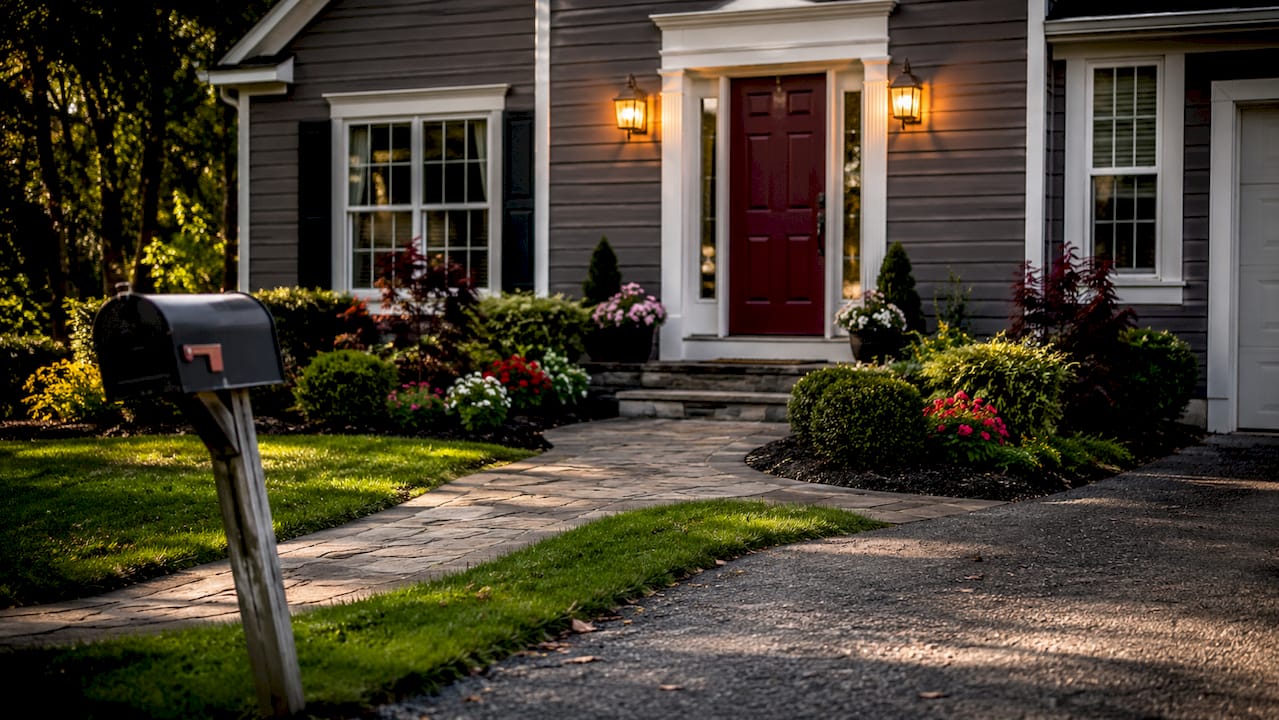
The single highest-ROI project in 2026 is garage door replacement. Garage door replacement delivers 194% ROI on a typical $4,302 investment. That means the average homeowner recoups nearly twice what they spend. A steel entry door upgrade runs less and delivers similar first-impression value.
Beyond doors, these exterior projects offer strong returns at modest cost:
- Pressure washing the driveway, siding, and walkways costs under $200 and removes years of grime instantly.
- Exterior lighting along pathways and above the garage adds safety and visual warmth for under $150 in fixtures.
- Landscaping basics such as fresh mulch, trimmed hedges, and seasonal annuals signal a well-cared-for property.
- Exterior paint touch-ups on trim and shutters cost a few hundred dollars and prevent wood rot.
Exterior replacements carry high ROI because they require less specialized labor than interior renovations. Lower labor costs mean more of your budget goes directly into visible improvement.
Pro Tip: Tackle exterior maintenance before any cosmetic upgrade. Peeling paint or a cracked driveway signals neglect and cancels out the value of a new door.
3. High-impact interior upgrades for value and comfort
Interior home improvement projects deliver the strongest returns when they refresh rather than rebuild. Experts consistently recommend cosmetic updates over gut renovations for maximizing resale value. The logic is simple: buyers pay for the look and feel of a space, not the construction cost behind it.
Hardwood floor refinishing
Refinishing existing hardwood floors is one of the most cost-effective interior upgrades available. Hardwood floor refinishing returns up to 147% of the investment. Sanding, staining, and sealing existing floors costs a fraction of replacement and produces a result buyers associate with premium quality. For renters, area rugs over clean, polished floors achieve a similar visual effect without permanent changes.
Minor kitchen updates
A full kitchen gut renovation returns roughly 40% of its cost. A minor kitchen remodel focused on cabinet refacing, new hardware, and updated fixtures returns 80–96% of investment. That gap is significant. Swapping dated brass pulls for matte black hardware, adding under-cabinet lighting, and replacing a faucet transforms the feel of a kitchen for under $1,500. For a deeper look at cost-effective kitchen updates, the focus should stay on surfaces and fixtures, not plumbing or layout.
Bathroom refreshes
Bathrooms respond well to targeted aesthetic upgrades. New fixtures and hardware yield better ROI than expensive plumbing or layout changes. Replacing a vanity, re-caulking the tub, and swapping a builder-grade mirror for a framed one costs $300–$800 and reads as a full renovation. Explore bathroom fixtures that feel premium without requiring a contractor.
Pro Tip: Fix minor defects before listing or hosting. Leaky faucets and chipped paint cost $100–$500 to repair but can cost thousands in buyer objections or lowball offers.
4. Budget-friendly DIY enhancement ideas for renters and homeowners
Low-cost home improvements deliver outsized visual impact when chosen carefully. The goal is to change what people see first, without touching anything structural.
- Replace light fixtures. Swapping a builder-grade ceiling fixture for a pendant or drum shade costs $40–$120 and changes the entire mood of a room.
- Install a smart thermostat. Smart thermostats save substantial energy costs yearly and take under an hour to install. Brands like Google Nest and Ecobee are widely available and renter-friendly in most leases.
- Add a subway tile backsplash. Peel-and-stick versions cost under $50 for a standard kitchen wall and are fully removable for renters.
- Seal countertops. Granite and concrete countertops benefit from annual sealing, which costs under $30 and prevents staining that reads as neglect.
- Replace cabinet knobs and pulls. A full kitchen set of hardware runs $50–$150 and takes two hours with a screwdriver.
- Fix grout and caulk. Grout pens and caulk tubes cost under $15 and make tile surfaces look freshly installed.
- Add crown molding or peel-and-stick trim. Lightweight foam molding installs with adhesive and adds architectural detail for under $100 per room.
For homeowners interested in home automation benefits, smart devices extend beyond thermostats to include smart locks, video doorbells, and automated lighting, all of which add perceived value and daily convenience.
Pro Tip: Choose upgrades that photograph well. Real estate listings and rental photos drive decisions before anyone walks through the door. Lighting and hardware are the two highest-impact changes per dollar spent.
5. How to prioritize your home renovation checklist
The right home renovation checklist starts with condition, not aesthetics. A beautiful new kitchen cannot compensate for a leaking roof or faulty HVAC system. Fix functional problems first, then layer in cosmetic upgrades.
For homeowners focused on resale, prioritize projects in this order:
- Structural and mechanical repairs (roof, HVAC, plumbing, electrical)
- Exterior replacements (garage door, entry door, siding)
- Interior surface refreshes (floors, paint, fixtures)
- Kitchen and bathroom cosmetic updates
- Landscaping and exterior lighting
For renters, the checklist shifts toward reversible, low-cost changes: lighting, hardware, removable backsplash, and smart devices. Aesthetics drive home value perception, but only after the fundamentals are sound.
The table below compares project types by goal:
| Project type | Best for resale | Best for renters | Typical cost |
|---|---|---|---|
| Garage door replacement | Yes | No | ~$4,302 |
| Hardwood floor refinishing | Yes | No | $1,000–$2,500 |
| Smart thermostat installation | Yes | Yes | $100–$250 |
| Cabinet hardware replacement | Yes | Yes | $50–$150 |
| Minor kitchen remodel | Yes | No | $5,000–$15,000 |
| Exterior lighting | Yes | No | $100–$300 |
Major high-end renovations like full kitchen guts and pools rank among the lowest-ROI projects. The data is consistent: mid-range cosmetic updates outperform expensive structural overhauls in nearly every market.
Key takeaways
The most effective home enhancement strategy prioritizes exterior replacements and interior cosmetic refreshes over major renovations, because replacement projects deliver higher ROI with lower labor costs.
| Point | Details |
|---|---|
| Exterior first | Garage door replacement delivers 194% ROI, the highest of any single upgrade in 2026. |
| Refresh, don’t gut | Minor kitchen remodels return 80–96% of cost; major remodels return only about 40%. |
| Fix defects before upgrading | Minor repairs costing $100–$500 prevent buyer objections that no cosmetic upgrade can fix. |
| DIY wins on low-cost items | Smart thermostats, hardware swaps, and lighting changes deliver high visual impact per dollar. |
| Condition before aesthetics | Structural and mechanical repairs must come before any cosmetic investment for true value gain. |
Why “refresh, don’t gut” is the only philosophy that holds up
I’ve worked with homeowners who spent $80,000 on a kitchen renovation and walked away with a $32,000 return at sale. I’ve also watched a neighbor spend $4,200 on a new garage door and refinished floors and sell above asking price in a slow market. The data matches what I’ve seen in practice: buyers respond to the feeling of a well-maintained, move-in-ready home, not to the dollar amount spent behind the walls.
The mistake most people make is confusing personal taste with market value. A custom wine cellar or a luxury pool feels like an upgrade. The market often disagrees. What buyers and renters actually respond to is clean, bright, and functional. Fresh hardware, polished floors, and a door that opens smoothly signal care. That signal is worth more than most expensive renovations.
My honest advice: build your home renovation checklist around the condition of what you already have. Repair the leaky faucet. Refinish the floors. Replace the garage door. Then, and only then, add the personal touches that make the space feel like yours. Gradual, targeted improvements compound over time. A single gut renovation rarely does.
— Lysander
Upgrade your space with pieces that hold their value
The projects in this article create the foundation. What you place inside the space determines how it feels to live in every day.

Mytotaltake curates luxury furniture that earns its place in any room, from heirloom-worthy sofas to outdoor pieces built for lasting elegance. Every item is selected for craftsmanship, durability, and design that complements high-ROI interiors rather than competing with them. If your exterior and interior upgrades are the structure, Mytotaltake’s furniture and high-end home decor are the finishing layer that makes the whole space feel intentional. Fast delivery and free returns mean you can refine your selections without risk.
FAQ
What is the highest-ROI home improvement project in 2026?
Garage door replacement delivers an average 194% ROI on a roughly $4,302 investment, making it the top-performing upgrade by return on cost in 2026.
Which interior upgrades offer the best return for resale?
Hardwood floor refinishing returns up to 147% of investment, and minor kitchen remodels return 80–96%. Both outperform major renovations by a wide margin.
What DIY home enhancements can renters do without losing a deposit?
Renters can swap cabinet hardware, install smart thermostats, add peel-and-stick backsplash tiles, and replace light fixtures. All are reversible and cost under $200 in most cases.
Why do major renovations have lower ROI than minor updates?
Major renovations require extensive demolition and specialized labor, which drives up cost without proportionally increasing market value. Replacement and cosmetic projects cost less to execute and deliver more visible impact per dollar.
How do I start a home renovation checklist?
Start with structural and mechanical repairs, then move to exterior replacements, interior surface refreshes, and finally cosmetic kitchen and bathroom updates. Condition always comes before aesthetics for maximum value gain.
Recommended
Robot Vacuum vs Cordless Vacuum: Which Wins?
Modern Bed Frame With Storage Drawers Guide
Comments
[…] Home Enhancement Ideas List: Best Upgrades for 2026 […]









Leave a comment