
Robot Vacuum vs Cordless Vacuum: Which Wins?
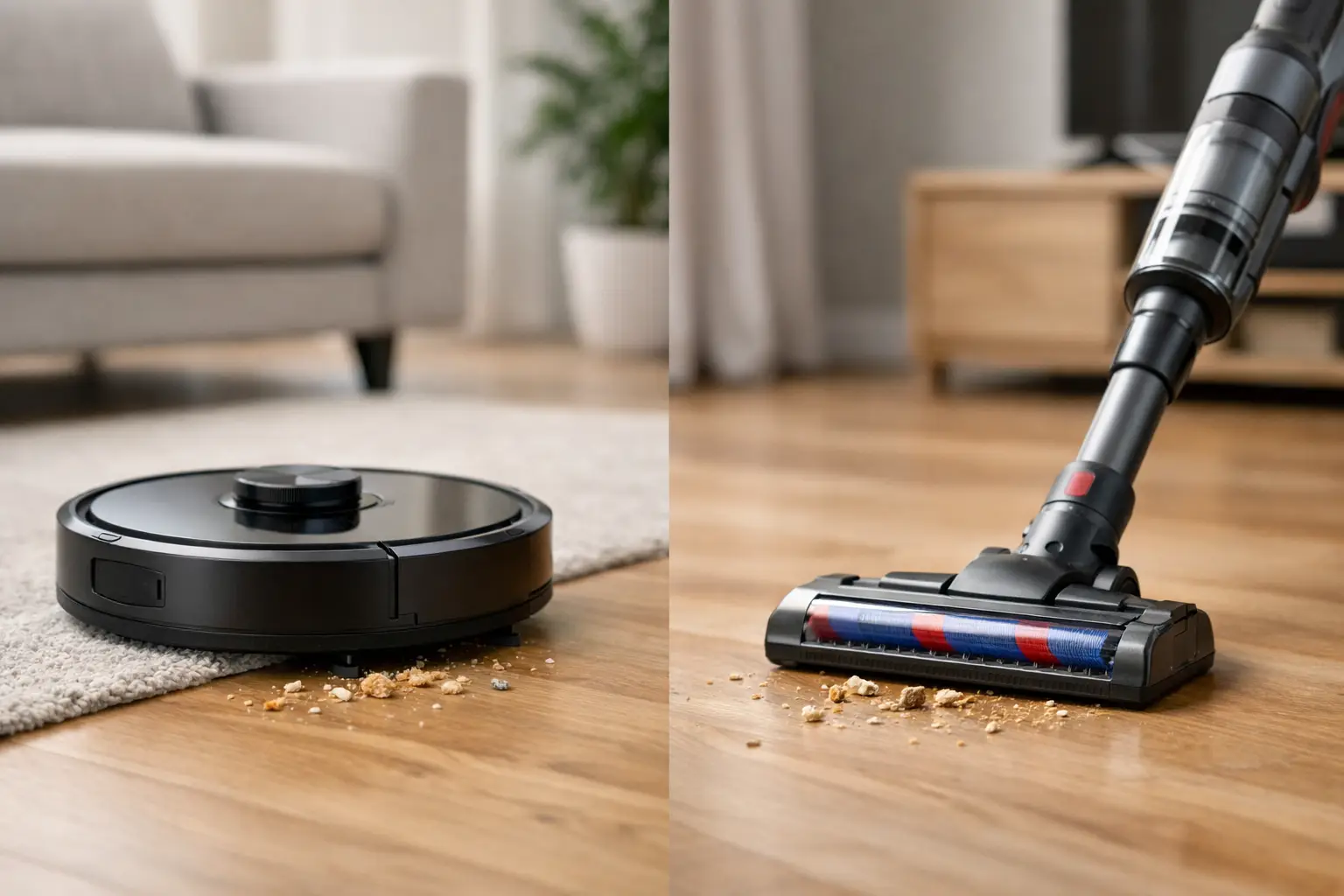
A beautiful home can lose its polish fast when dust gathers in the corners by noon and pet hair reappears before dinner. That is why the robot vacuum vs cordless vacuum question matters more than it used to. For most homes, this is not simply about cleaning floors. It is about choosing the kind of convenience that best suits your space, your schedule, and the standard of living you want to maintain.
Robot vacuum vs cordless vacuum: the real difference
At a glance, the distinction seems obvious. A robot vacuum cleans for you on its own schedule, while a cordless vacuum gives you direct control and faster manual cleaning. But the real difference is not automation versus effort. It is consistency versus precision.
A robot vacuum is built for upkeep. It quietly handles the daily layer of dust, crumbs, and hair that makes a home feel less refined over time. In the right setting, it preserves order with almost no involvement from you. A cordless vacuum, by contrast, is built for intervention. It is the tool you reach for when the entryway needs immediate attention, the stairs need a pass, or a rug requires a more focused clean.
That is why this is rarely a pure head-to-head contest. These machines solve different problems, and the better choice depends on the rhythm of your home.
When a robot vacuum feels like the smarter luxury
A robot vacuum earns its place when your priority is maintaining a polished look with minimal effort. If your home has mostly hard flooring, open walkways, and a predictable daily mess level, robotic cleaning can feel less like a gadget and more like a quiet household assistant.
The appeal is not only convenience. It is regularity. Running a robot vacuum every morning keeps debris from accumulating, which means your floors often look cleaner overall than they would with occasional deep passes from a handheld unit. For busy professionals, pet owners, and households with children, that steady baseline can be transformative.
Modern models also bring a more elevated ownership experience than earlier generations. Mapping technology, app scheduling, room targeting, and self-emptying docks all make the category feel more premium and less experimental. In a design-forward home, that matters. The best robot vacuums blend function with discretion, operating in the background rather than demanding attention.
Still, there are limits. Robot vacuums are not ideal for homes with lots of floor clutter, thick high-pile rugs, frequent cords on the ground, or complex corners that need detail work. They can maintain a space beautifully, but they are not especially good at improvisation. If your home changes constantly or your expectations are very exacting, a robot vacuum may feel helpful but incomplete.
Where cordless vacuums still lead
Cordless vacuums remain the more versatile choice for households that want power on demand. They excel when speed matters and when the mess is specific. Spilled cereal under the breakfast bar, dirt tracked in from the patio, pet fur on the sofa, dust on stairs – these are moments where a cordless vacuum delivers immediate satisfaction.
That control is part of the appeal. You decide where to clean, how thoroughly to clean, and when to stop. There is no mapping delay, no missed strip along a chair leg, and no need to prep the room. For many shoppers, that directness feels more efficient than automation.
A premium cordless model also tends to handle above-floor cleaning far better than a robot vacuum ever could. Upholstery, baseboards, car interiors, stair treads, and tight corners all favor a lightweight stick design with the right attachments. If your cleaning needs extend beyond the visible center of the floor, cordless vacuums offer more complete utility.
The trade-off is obvious. Someone still has to do the work. Even the most beautifully engineered cordless vacuum asks for your time, your arm, and your attention. For some households, that is fine. For others, it means cleaning gets postponed until the weekend, which often defeats the point of owning a high-performance tool.
Performance: suction is only part of the story
When people compare robot vacuum vs cordless vacuum, suction usually dominates the conversation. And yes, cordless vacuums generally deliver stronger spot-cleaning performance. They are better at pulling debris from carpets, attacking visible messes, and tackling edges with intention.
But suction alone does not decide which machine keeps a home cleaner. Frequency matters just as much. A robot vacuum with moderate suction that runs every day can outperform a stronger cordless vacuum that comes out once every five days. Daily maintenance changes the equation.
Floor type matters too. On hardwood, tile, and low-pile rugs, many robot vacuums perform surprisingly well because debris stays accessible. On thicker carpet, cordless models usually have the edge, especially if the home sees heavy foot traffic. If you have a mix of premium rugs, textured surfaces, and upholstered zones, manual flexibility becomes more valuable.
Noise is another point buyers often overlook. Robot vacuums can be less disruptive if scheduled while you are away or during low-traffic hours. Cordless vacuums are typically louder in the moment, but they finish quickly. Which feels better depends on whether you prefer a short burst of effort or quiet automation in the background.
Your home layout changes the answer
A small apartment with hard floors may be nearly ideal for a robot vacuum. The machine can cover most of the space easily, slide under furniture, and reduce the need for constant manual upkeep. In a setting like that, automation offers strong value.
A multi-level house tells a different story. If you have stairs, mixed flooring, furniture with narrow gaps, and rooms that vary in use, a cordless vacuum often makes more practical sense. Carrying a robot between floors or buying multiple units can start to feel less elegant than one powerful cordless solution.
Pets complicate things in useful ways. A robot vacuum is excellent for keeping shedding under control day after day, especially on hard floors. A cordless vacuum is better for concentrated fur on upholstery, corners, and carpeted rooms. If your pet claims the sofa as much as the floor, a cordless model may solve more of the problem.
Lifestyle fit matters more than feature count
The best cleaning tool is the one that suits your habits. That sounds simple, but it is where many purchases go wrong. Shoppers get drawn to advanced features, then end up with a machine that does not match how they actually live.
If you want cleaning to happen without thinking about it, a robot vacuum aligns with that goal. It supports a more hands-off routine and helps preserve a consistently finished look. This is especially appealing if your home is already organized and relatively uncluttered.
If you prefer visible, immediate results and want one machine for floors, upholstery, and quick whole-home resets, a cordless vacuum is often the more satisfying investment. It rewards action and gives you complete control over the result.
There is also a design sensibility to consider. A cordless vacuum usually needs storage space and occasional wall mounting or dock placement. A robot vacuum lives lower and more discreetly, though its charging base still needs a dedicated spot. In a thoughtfully styled home, even practicality should feel intentional.
Should you buy one or both?
For many premium households, the most effective answer is not either-or. It is both.
A robot vacuum handles daily maintenance and keeps your floors guest-ready with very little input. A cordless vacuum steps in for deeper passes, furniture, stairs, and unexpected messes. Together, they create a cleaning routine that feels less reactive and more curated.
That said, not every home needs both. If budget, storage, or simplicity is a priority, choose the machine that matches your biggest friction point. If your problem is that cleaning does not happen often enough, go robot. If your problem is that one machine needs to clean everything, go cordless.
For shoppers building a more refined home environment, this is the better lens: buy for the experience you want to create. At My Total Take, that idea applies across categories. The right product should not just perform well. It should make everyday living feel easier, sharper, and more considered.
A well-kept home rarely comes down to effort alone. It comes down to choosing tools that support the way you want to live, then letting them raise the standard quietly every day.











Leave a comment