What Is Eco-Friendly Luxury? A Consumer’s Guide
Eco-friendly luxury is defined as the integration of verified environmental and social responsibility with genuine high-end craftsmanship across the entire product lifecycle. This is not a marketing label. It is a systems-wide commitment covering raw materials, production, packaging, logistics, use, repair, resale, and end-of-life practices. Brands like Stella McCartney and Gucci have made this approach central to their identity, proving that premium quality and sustainability are not opposites. Certifications like Positive Luxury’s Butterfly Mark and frameworks like the Science Based Targets initiative (SBTi) give consumers a way to separate real impact from empty claims. Understanding what is eco-friendly luxury means knowing exactly what to look for and what to question.
What is eco-friendly luxury, and what criteria define it?
Eco-friendly luxury, also called sustainable luxury, goes far beyond swapping one material for a greener alternative. The standard industry term for this concept is “sustainable luxury,” and it describes a full business-model transformation. Every stage of a product’s life must meet verified environmental and ethical standards.
The core criteria that define genuine sustainable luxury include:
- Lifecycle transparency: Raw materials must be traceable, production must be auditable, and packaging must be minimal or recyclable.
- Ethical labor: Living wages, safe conditions, and zero tolerance for modern slavery are non-negotiable requirements.
- Circularity: Brands must offer repair, resale, and take-back programs. Without these, sustainability claims remain aspirational, not operational.
- Evidence-based claims: Vague terms like “eco” or “green” without specific, measurable backing are a red flag.
- Certifications with scope: Positive Luxury’s Butterfly Mark and SBTi targets signal credible standards, but consumers must understand what each certification actually covers.
The most important distinction is between a brand that uses one organic fiber and a brand that has restructured its entire supply chain. The first is a marketing choice. The second is sustainable luxury.
Pro Tip: When evaluating a brand’s sustainability claims, ask for a specific impact report with measurable data, not just a mission statement. Credible brands publish annual sustainability reports with third-party verification.
How does sustainable luxury apply in fashion and apparel?
Sustainable luxury fashion combines traditional luxury markers with environmental responsibility and ethical production. Premium craftsmanship, exclusivity, and timeless design remain central. What changes is how those qualities are achieved and at whose expense.
The four pillars of eco-conscious luxury fashion are:
- Responsible materials: Recycled textiles, organic fibers like GOTS-certified cotton, and innovative alternatives like Mylo (mushroom-based leather) replace conventional inputs without sacrificing quality.
- Ethical supply chains: Living wages, safe working conditions, and transparent factory audits protect the people who make the goods. Brands like Patagonia and Eileen Fisher publish supplier lists publicly.
- Animal welfare: Genuine eco-luxury fashion eliminates practices like mulesing in wool production and avoids exotic skins. Stella McCartney has built an entire brand identity around this principle.
- Circular design: Garments are constructed to last and to be repaired, resold, or returned. Durable, timeless construction reduces replacement demand, which is the most direct sustainability benefit a garment can deliver.
Sustainable vs. conventional luxury fashion
| Factor | Conventional luxury | Sustainable luxury |
|---|---|---|
| Material sourcing | Premium but often opaque | Traceable, certified, responsible |
| Labor standards | Variable, often unaudited | Living wages, published audits |
| Product lifespan | Long by design | Long by design, with repair support |
| End-of-life | Landfill or incineration | Take-back, resale, or recycling |
| Environmental claims | Marketing-led | Evidence-based, third-party verified |
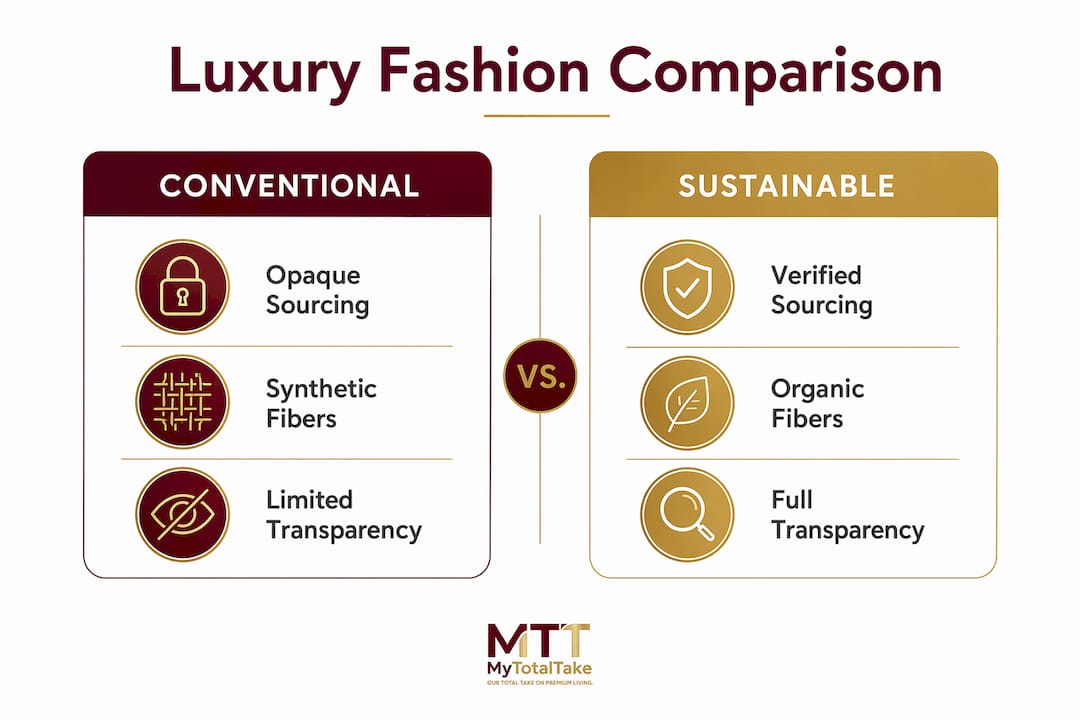
The table above shows that sustainable luxury does not ask you to accept lower quality. It asks the brand to accept higher accountability.
What does eco-friendly luxury mean in home design?
Eco-luxury in residential design is defined by verifiable features, not aesthetic choices. LEED and IGBC certification are the baseline credentials for premium green homes. These certifications assess energy use, water efficiency, indoor air quality, and material sourcing against rigorous third-party standards.
The features that define an eco-luxury home in 2026 include solar energy systems, rainwater harvesting, EV charging infrastructure, smart metering, non-toxic finishes, and biophilic design. Biophilic design, which integrates natural light, living walls, and natural materials, improves occupant wellness while reducing the need for artificial lighting and climate control. These are not optional upgrades. They are baseline expectations in the premium housing segment.
| Feature | Environmental benefit | Luxury benefit |
|---|---|---|
| Solar power | Reduces grid dependence | Lower operating costs |
| Rainwater harvesting | Cuts municipal water use | Water security and resilience |
| Smart metering | Tracks and reduces energy waste | Real-time control and efficiency |
| Non-toxic finishes | Eliminates VOC off-gassing | Healthier indoor air quality |
| Biophilic design | Reduces energy load | Wellness and visual richness |
Furniture and decor choices matter equally. Durable luxury furnishings made from sustainably sourced hardwoods, recycled metals, or natural stone deliver heirloom-worthy quality while minimizing environmental impact. The logic is simple: a piece built to last 50 years has a fraction of the lifecycle footprint of one replaced every decade.
Pro Tip: When selecting materials for an eco-luxury interior, prioritize FSC-certified wood and Cradle to Cradle-certified textiles. Both certifications confirm responsible sourcing and are recognized globally.
How can consumers identify genuine eco-friendly luxury and avoid greenwashing?
Greenwashing, defined as misleading or unsubstantiated environmental claims, is the primary risk consumers face when shopping for sustainable luxury. The OECD has identified it as a growing consumer protection concern worldwide. Vague terms like “conscious,” “green,” or “eco-friendly” without supporting evidence are the most common form.
Use these criteria to evaluate any eco-luxury claim:
- Specificity: Does the brand state exactly what has changed and by how much? “We reduced water use by 40% in our dyeing process” is credible. “We care about the planet” is not.
- Scope: Does the claim cover the full lifecycle or just one input? A recycled polyester lining does not make a garment sustainable if the rest of the supply chain is unaudited.
- Certification context: Certifications like the Butterfly Mark signal adherence to credible standards, but consumers should understand what each certification covers and what it does not.
- Circularity proof: Does the brand offer a repair service, a resale platform, or a take-back program? These are operational commitments, not marketing language.
- Labor transparency: Published supplier lists and third-party labor audits are the standard for credible brands. Absence of this information is a warning sign.
Younger consumers are already ahead of this curve. Millennials and Gen Z expect sustainability as a default in luxury, linking transparency and circularity directly with brand trust. That expectation is reshaping what luxury brands must prove, not just promise.
Key Takeaways
Eco-friendly luxury is a verified, systems-wide commitment to environmental and social responsibility, not a label applied to a single material choice or marketing campaign.
| Point | Details |
|---|---|
| Full lifecycle scope | Genuine eco-luxury covers materials, production, logistics, use, repair, and end-of-life, not just one input. |
| Circularity is operational | Repair, resale, and take-back programs are the proof of circularity, not aspirational language. |
| Greenwashing is the main risk | Demand specific, measurable claims and third-party certifications before trusting any eco-luxury label. |
| Fashion and home design both qualify | Sustainable luxury applies equally to apparel, furnishings, and residential architecture with clear criteria for each. |
| Younger consumers set the standard | Millennials and Gen Z treat transparency and circularity as baseline expectations, pushing brands to prove impact. |
The signal worth paying attention to
The most common mistake I see consumers make is treating eco-luxury as a product category rather than a brand behavior. A single organic cotton shirt from a brand with an opaque supply chain is not sustainable luxury. A brand that publishes its factory list, offers free repairs, and has set SBTi-aligned emissions targets is practicing sustainable luxury, even if some of its materials are still conventional.
The shift that matters is systemic. Luxury brands increasingly treat sustainability as a strategic imperative, restructuring value chains and innovation pipelines rather than adding a green line to an existing catalog. That is the version worth supporting.
What I find genuinely encouraging is that the consumer pressure driving this shift is not coming from niche activists. It is coming from the core luxury demographic. When the buyers of $3,000 handbags and $500,000 homes start demanding supply chain audits and take-back programs, brands have no choice but to respond with substance. The brands that get ahead of this, like Stella McCartney in fashion and the growing cohort of LEED-certified residential developers, are building durable competitive advantages. The ones that rely on vague claims are accumulating regulatory and reputational risk. My advice: spend your money with brands that publish their evidence. The ones that cannot show their work are telling you something important.
— Lysander
Eco-luxury living starts at home
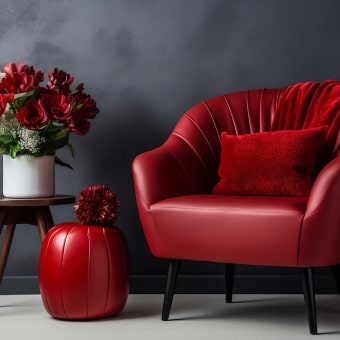
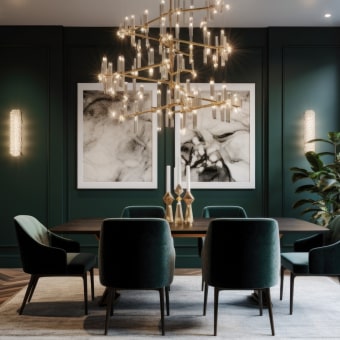
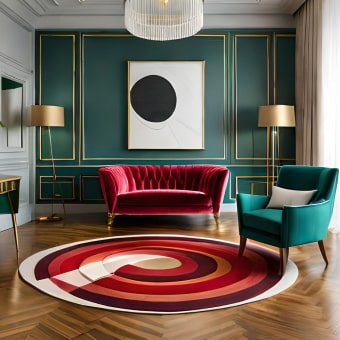
The principles of eco-friendly luxury translate directly into the furnishings and decor you choose for your home. Craftsmanship, durability, and responsible sourcing are not abstract ideals. They show up in the weight of a well-made chair, the finish of a sustainably sourced hardwood table, and the longevity of a piece that never needs replacing.
At Mytotaltake, we curate designer furniture and home decor built to the standard that eco-luxury demands: timeless design, premium materials, and construction that lasts. Whether you are furnishing a living room or a full residence, our collections reflect the belief that the most responsible purchase is one you never have to repeat. Explore our high-end home decor collections and find pieces that earn their place for decades.
FAQ
What is the sustainable luxury definition?
Sustainable luxury is the integration of premium craftsmanship and exclusivity with verified environmental and social responsibility across the entire product lifecycle. It includes ethical sourcing, transparent production, circular practices, and measurable impact reduction.
Why choose eco-friendly luxury over conventional luxury?
Eco-friendly luxury delivers the same premium quality while reducing environmental harm and supporting ethical labor. Younger consumers increasingly link brand trust and desirability with transparency and circularity, making it the direction the entire luxury market is moving.
What are eco-friendly materials used in luxury products?
Common eco-friendly materials in luxury goods include GOTS-certified organic cotton, FSC-certified wood, recycled metals and textiles, Mylo mushroom-based leather, and Cradle to Cradle-certified fabrics. The key is third-party certification confirming responsible sourcing.
How do I spot greenwashing in luxury brands?
Look for specific, measurable claims backed by third-party verification rather than vague terms like “eco” or “conscious.” Credible brands publish supplier lists, annual sustainability reports, and offer operational circularity programs like repair or take-back.
What certifications signal genuine eco-luxury?
Positive Luxury’s Butterfly Mark, LEED and IGBC for homes, GOTS for textiles, FSC for wood, and SBTi-aligned emissions targets are among the most credible signals. Always check what each certification specifically covers, since scope and baselines vary.







Leave a comment