
Trends in Luxury Shopping 2026: What Affluent Buyers Need
The trends in luxury shopping 2026 are defined by one core shift: affluent consumers now demand meaning, not just prestige. The personal luxury goods market is stabilizing at €365–€373 billion, growing at a measured 2–4% after years of volatility. That steadiness signals maturity, not stagnation. Luxury buyers are more selective, more informed, and more willing to walk away from brands that fail to earn their attention. Three forces are reshaping the market: phygital retail, AI-powered personalization, and a decisive pivot toward experiences over objects. Each one carries real implications for how you shop, what you buy, and which brands deserve your loyalty.
How are digital and physical luxury shopping experiences merging in 2026?
Phygital luxury is the recognized industry term for retail environments that blend physical and digital touchpoints into a single, continuous experience. The concept has moved from theory to standard practice in 2026.
Luxury stores now function as showrooms and service hubs rather than simple transaction points. A flagship boutique today is less about moving inventory and more about creating a moment that justifies the price. Clients receive private consultations, product customization sessions, and post-purchase care that no online cart can replicate. The physical space earns its place by doing what a screen cannot.
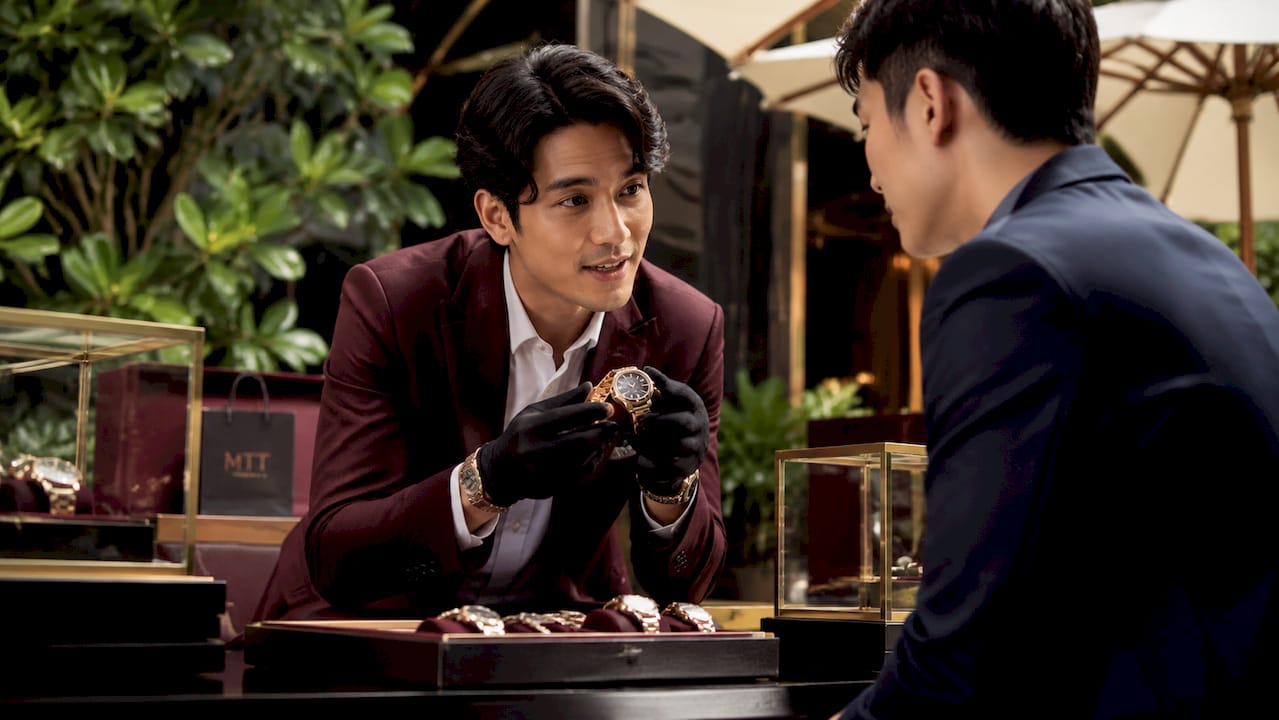
Online platforms are evolving at the same pace. Luxury e-commerce platforms now offer appointment bookings, private digital previews, and aftercare programs that mirror the white-glove service of a private salon. The best platforms feel less like a storefront and more like a concierge. That shift in function is what separates premium digital retail from standard e-commerce.
Personalization and clienteling sit at the center of this merger. Brands use purchase history, style preferences, and behavioral data to tailor every interaction. A returning client receives curated recommendations before they even ask. Luxury buyers who feel overexposed or disconnected from a brand’s identity are quick to disengage. Hyper-personalization is now the minimum standard, not a differentiator.
- Flagship stores host private styling appointments and made-to-order consultations.
- Digital platforms offer exclusive early access to new collections for registered clients.
- Post-purchase services include repair programs, authentication, and restyling advice.
- Smart technology in-store, such as digital mirrors and RFID-enabled product displays, connects physical browsing to digital wish lists.
Pro Tip: When shopping a luxury brand online, look for platforms that offer a dedicated client advisor or live appointment feature. That level of access signals a brand serious about service, not just sales.
What role does artificial intelligence play in luxury shopping journeys?
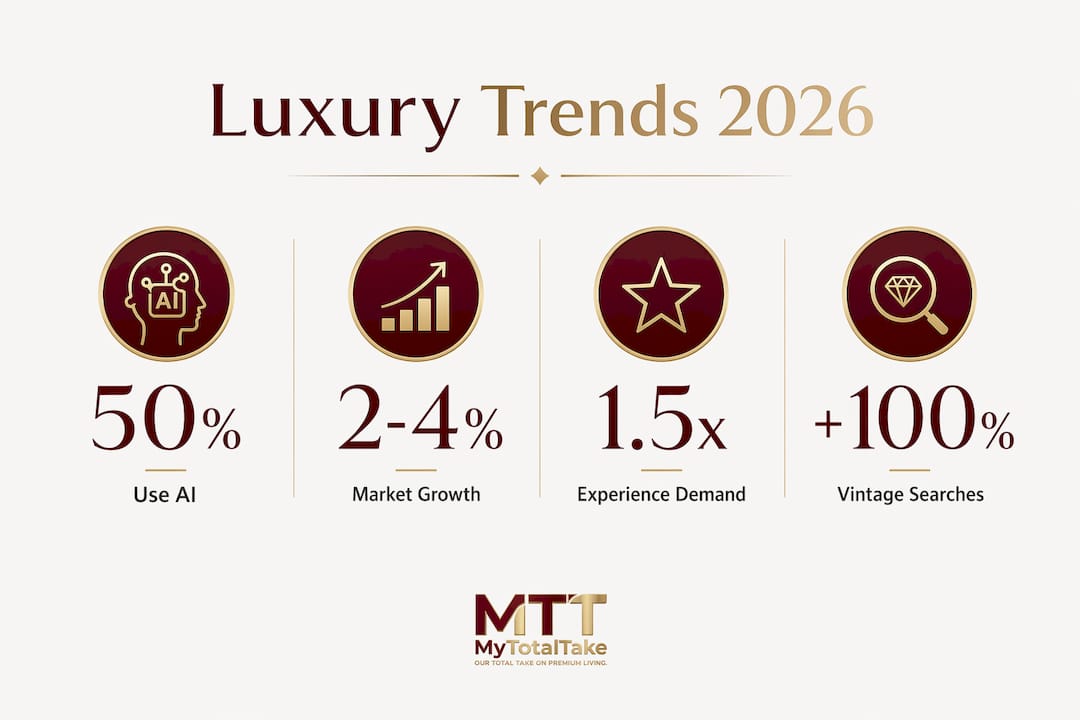
Artificial intelligence has entered the luxury purchase journey faster than most brands anticipated. About 50% of luxury shoppers now use AI tools during their research phase. That figure represents a fundamental change in how high-end purchases begin.
Shoppers use AI for three primary tasks: researching product details and provenance, comparing prices across markets, and identifying complementary items that complete a look or collection. The result is a buyer who arrives at the point of purchase already informed, already decided, and harder to upsell with generic pitches. Brands that ignore this shift risk losing the conversation before it starts.
The retention data is striking. 97% of luxury shoppers who have used AI in their purchase journey intend to use it again. That near-universal intent to continue reveals a gap: consumers have adopted AI faster than most luxury brands have built strategies to meet them there.
- Use AI for provenance research. Ask AI tools to verify a brand’s heritage, manufacturing standards, and material sourcing before committing to a purchase.
- Compare across markets. AI can surface price differences between regional boutiques and authorized online retailers, helping you buy at fair value.
- Identify complementary pieces. Use AI to build a cohesive wardrobe or collection rather than buying individual items in isolation.
- Evaluate brand authenticity. AI tools can cross-reference brand claims against independent reviews, press coverage, and resale market performance.
- Set price alerts. For high-value purchases, AI-powered tools can monitor price movements and notify you when the right moment arrives.
The tension for luxury brands is real. AI risks making the purchase feel transactional, which contradicts the emotional core of luxury. The brands navigating this well use AI to enhance human interaction, not replace it. A well-timed AI recommendation followed by a personal call from a client advisor is the model that works.
Pro Tip: Treat AI as your pre-purchase research assistant, not your final decision-maker. The best luxury purchases still involve a human conversation that no algorithm can fully replicate.
Why are luxury consumers shifting spending toward experiences over physical goods?
Experience-led luxury is the fastest-growing segment in the market. Consumer sentiment for luxury experiences is growing 1.5 times faster than sentiment for physical goods. That gap reflects a deeper change in what affluent consumers believe luxury actually means.
The categories leading this shift are hospitality, private aviation, fine dining, and wellness retreats. These are not impulse purchases. They require planning, curation, and a level of access that money alone does not guarantee. That scarcity is precisely the point. An experience at a private villa in Amalfi or a table at a three-Michelin-star restaurant carries a social and emotional weight that a handbag, however beautiful, cannot match.
Physical product categories are feeling the pressure. Jewelry, apparel, and cosmetics all face softer demand as consumers redirect discretionary spending toward experiences. Brands in these categories are responding by wrapping products in experiential layers: private launch events, artisan workshops, and behind-the-scenes access to the creative process. The product becomes the souvenir of an experience, not the experience itself.
| Category | Trend Direction | Key Driver |
|---|---|---|
| Hospitality and private travel | Strong growth | Scarcity and access |
| Fine dining and wellness | Strong growth | Personalization and ritual |
| Apparel and accessories | Softening demand | Shift to experience spending |
| Jewelry | Stable with selective growth | Heirloom value and rarity |
| Cosmetics and beauty | Moderate pressure | Experience-led alternatives |
This shift also changes how luxury brands allocate their marketing budgets. Events, collaborations, and immersive brand activations now compete directly with product advertising for investment. The brands that understand experience as a product category in its own right are the ones gaining ground.
How is the resale market influencing luxury shopping trends in 2026?
The secondhand luxury market is no longer a niche channel for bargain hunters. Vintage-related searches have more than doubled since 2025, and the motivations driving that growth go well beyond price. Rarity, access to discontinued pieces, and a preference for sustainable luxury shopping all fuel demand for pre-owned goods.
Over 50% of luxury shoppers now consult the resale market before buying new. That behavior has become a standard part of the research process, not an alternative to it. A shopper might check resale platforms to gauge a bag’s long-term value retention before purchasing it new from a boutique. Resale has become a market intelligence tool as much as a shopping channel.
Luxury brands are responding by treating resale as a complementary channel rather than a threat. Some have launched certified pre-owned programs that authenticate and recondition items, capturing a share of the secondary market while reinforcing brand trust. That move also appeals to the growing segment of consumers who prioritize quality and craftsmanship over novelty.
- Resale platforms now offer authentication guarantees that rival boutique-level assurance.
- Discontinued or limited-edition pieces command premiums that exceed their original retail price.
- Pre-owned luxury goods appeal to consumers who want access to heritage pieces no longer in production.
- Brands with strong resale value retention attract buyers who view luxury as an investment, not just a purchase.
The secondhand market has also shifted the definition of luxury itself. Owning a rare, authenticated vintage piece now carries as much status as owning something new. That is a meaningful cultural change, and it rewards buyers who know how to navigate both markets.
What practical steps can affluent consumers take to navigate luxury shopping trends in 2026?
Navigating 2026 luxury consumer behavior requires a clear personal framework. The market rewards buyers who know what they want, why they want it, and which brands genuinely deliver on their promises.
- Seek hyper-personalized service. Prioritize brands that offer dedicated client advisors, private appointments, or made-to-order options. Generic service is a signal that a brand is not investing in the relationship.
- Use AI as a research layer. Before any significant purchase, use AI tools to research provenance, compare pricing, and identify complementary pieces. Arrive informed.
- Balance new and pre-owned. Build a purchasing strategy that includes both new acquisitions and secondhand finds. Resale platforms offer access to rare pieces and provide a useful benchmark for long-term value.
- Align with brands that reflect your values. Luxury buyers who feel disconnected from a brand’s identity disengage quickly. Choose brands whose craftsmanship, heritage, and ethos align with your own.
- Invest in experiences alongside objects. Allocate part of your luxury budget to experiences: a private culinary event, a bespoke travel itinerary, or a wellness retreat. These create memories that physical goods rarely match.
- Evaluate the full ecosystem. A brand’s digital experience, after-sale service, and resale value all reflect its true quality. Judge the whole relationship, not just the product.
The role of technology in luxury homes mirrors this consumer shift. Affluent buyers are applying the same discernment to their living spaces that they bring to their wardrobes, seeking products and environments that deliver lasting value and personal meaning.
Pro Tip: Before committing to a major luxury purchase, spend 30 minutes on a reputable resale platform to check the item’s secondary market value. Strong resale performance is one of the clearest signals of genuine quality.
Key Takeaways
The defining shift in 2026 luxury retail is that affluent consumers now evaluate brands on service depth, experience quality, and resale value, not just product prestige.
| Point | Details |
|---|---|
| Market stabilization | The personal luxury goods market grows 2–4%, reaching €365–€373 billion in 2026. |
| Phygital retail is standard | Stores function as service hubs; online platforms offer appointments and aftercare. |
| AI adoption is near-universal | 97% of luxury shoppers who use AI intend to use it again, outpacing brand readiness. |
| Experiences outpace products | Consumer sentiment for luxury experiences grows 1.5x faster than for physical goods. |
| Resale is a primary channel | Over 50% of luxury shoppers check the secondhand market before buying new. |
The signal I keep watching in luxury retail
The statistic that stays with me is this: the luxury industry lost 70 million consumers over two years. That is not a rounding error. That is a structural rejection by a generation of buyers who decided that status symbols alone were not worth the price.
What I find genuinely interesting is that the brands recovering fastest are not the ones spending more on advertising. They are the ones rebuilding trust through specificity. A brand that can tell you exactly where its leather comes from, who stitched the lining, and what happens to the piece after you tire of it, that brand earns loyalty that a logo alone never could.
I am skeptical of the idea that AI and luxury are natural allies. The best luxury experiences I have encountered are defined by human judgment, imperfect timing, and the kind of warmth that no algorithm replicates. AI is a useful tool for research and efficiency. It is not a substitute for a client advisor who remembers your preferences without being prompted.
The experiential shift feels permanent to me. Once a buyer discovers that a private dinner in a chef’s kitchen or a curated wellness retreat delivers more lasting satisfaction than another handbag, the calculus changes. Brands that build experiences around their products, rather than treating experience as a marketing add-on, will define the next decade of luxury.
— Lysander
Luxury living at home: curated guidance from Mytotaltake
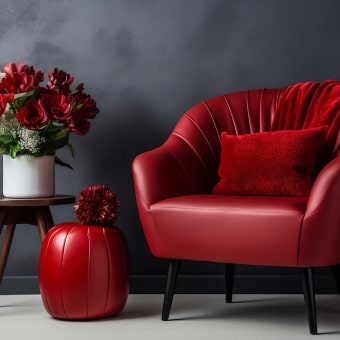
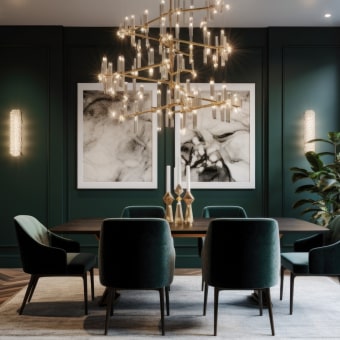
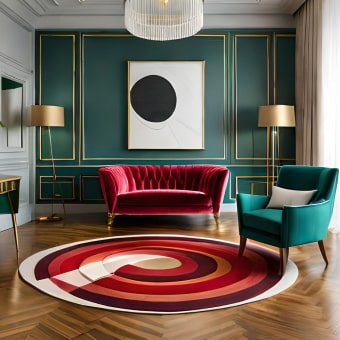
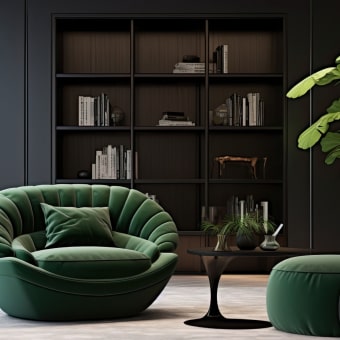
The same principles reshaping luxury retail apply directly to how you design and furnish your home. Affluent consumers are investing in spaces that reflect personal meaning, lasting craftsmanship, and considered design.
Mytotaltake curates expert guidance across luxury furniture, premium home decor, and high-end lifestyle products that reflect exactly these values. Whether you are refining a living room or selecting pieces built to last decades, the editorial team at Mytotaltake applies the same discernment you bring to your wardrobe. Explore high-end home decor guides that align with the experiential and craftsmanship-led priorities defining 2026 luxury consumer behavior.
FAQ
What are the biggest trends in luxury shopping for 2026?
The leading trends are phygital retail, AI-powered personalization, experience-led spending, and the rise of the secondhand luxury market. The personal luxury goods market is stabilizing at an estimated €365–€373 billion with 2–4% growth.
How is AI changing the luxury shopping experience?
About 50% of luxury shoppers now use AI for product research, price comparison, and complementary item discovery. A striking 97% of those shoppers intend to use AI again, signaling that brands must adapt their digital strategies to meet this behavior.
Why are luxury consumers prioritizing experiences over products?
Consumer sentiment for luxury experiences is growing 1.5 times faster than for physical goods. Categories like private travel, fine dining, and wellness retreats offer scarcity and personalization that physical products increasingly struggle to match.
Is the secondhand luxury market worth considering in 2026?
Vintage-related luxury searches have more than doubled since 2025, and over 50% of luxury shoppers consult resale platforms before buying new. Pre-owned luxury offers access to rare pieces and serves as a reliable indicator of long-term product value.
How should affluent consumers choose which luxury brands to support?
Prioritize brands that offer hyper-personalized service, transparent craftsmanship, and strong resale value retention. Brands that build meaningful experiences around their products, rather than relying on logo recognition alone, deliver the most lasting value.







Leave a comment