
Home Office Upgrade on a Budget That Works
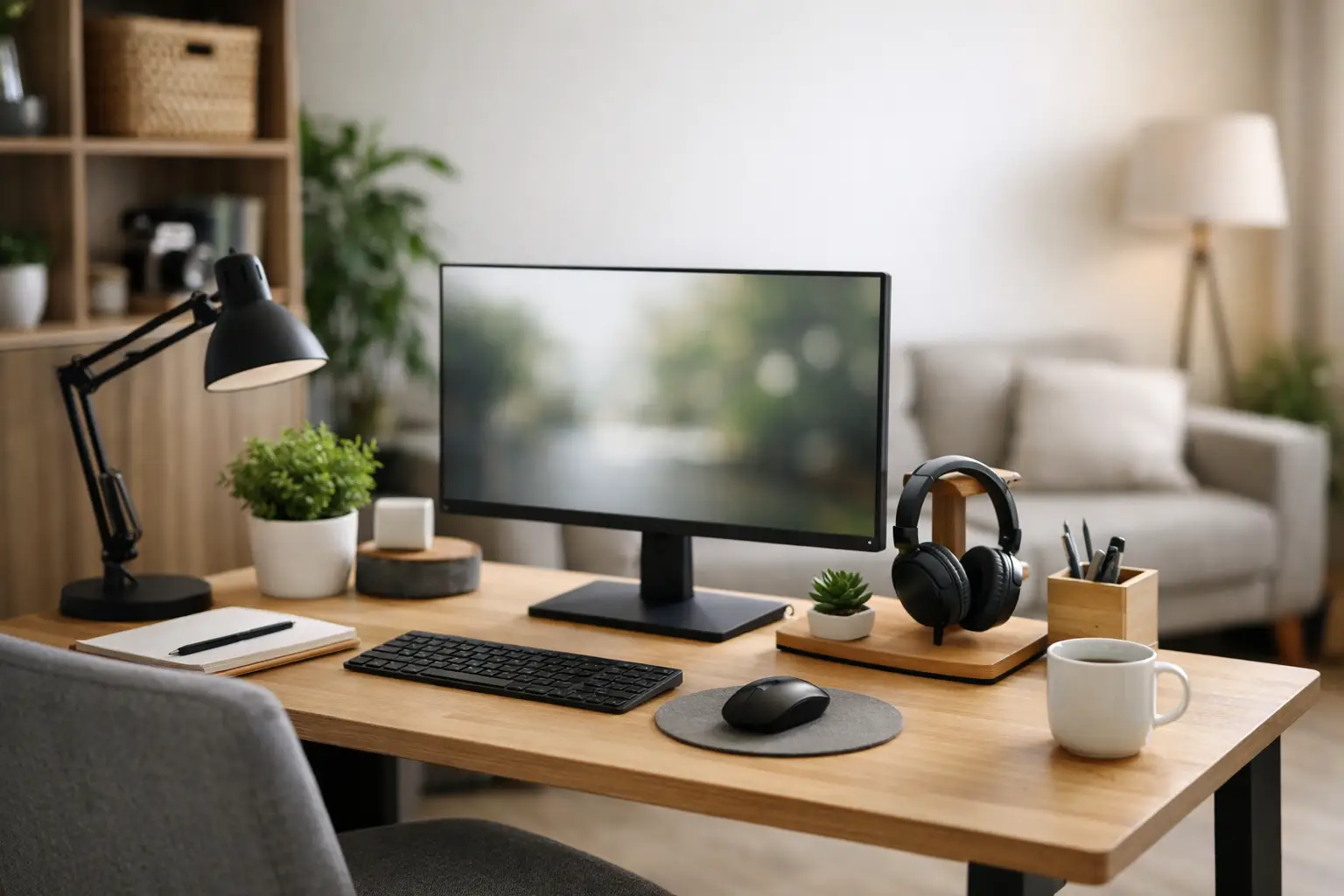
The fastest way to make work feel harder is to sit in a space that was never meant for it. A dining chair, harsh overhead light, tangled cords, and a desk that doubles as storage all chip away at focus. A home office upgrade on a budget is not about filling the room with more stuff. It is about choosing the few changes that make the space feel calmer, sharper, and far more supportive of the way you actually work.
That distinction matters. Budget-friendly should not mean disposable. If your office is where you spend hours each day, the better approach is to invest selectively in pieces that improve comfort, visual order, and performance. Done well, even modest upgrades can create a workspace that feels polished and high-end rather than pieced together.
Start a home office upgrade on a budget with the basics
Before buying anything, look at what is creating friction. For most people, it comes down to three things: poor seating, weak lighting, and clutter that keeps every task in sight at once. If you fix those first, the room changes quickly.
An ergonomic chair is usually the smartest starting point. It does not have to be oversized or aggressively corporate to be effective. Clean lines, supportive cushioning, adjustable height, and breathable materials can deliver comfort without compromising the look of the room. If a full chair replacement is not realistic yet, a seat cushion or lumbar support can still improve posture while you plan for a larger upgrade.
Lighting deserves the same priority. Overhead fixtures often flatten a room and strain the eyes, especially on long calls or late-afternoon work sessions. A well-designed desk lamp with adjustable brightness gives you more control and instantly adds a more intentional feel. Warm ambient light can make the room look elevated, while task lighting keeps the workspace functional. If your office has natural light, work with it rather than against it. Position the desk to benefit from daylight without putting glare directly on the screen.
Then there is clutter. Visible disorder makes a room feel cheaper than it is. A simple storage cabinet, floating shelf, or compact drawer unit can bring immediate visual relief. The goal is not to hide everything. It is to give your essentials a defined place so the desk surface stays open and composed.
Where your budget should go first
If you have a limited amount to spend, think in layers rather than categories. The first layer is what touches your body. The second is what shapes your concentration. The third is what changes the atmosphere.
Your chair, keyboard, mouse, monitor stand, and footrest belong in the first layer. These pieces affect how your body feels by noon, not just how the room photographs. If you work full-time from home, skipping ergonomics to spend more on decorative accents is usually the wrong trade.
The second layer includes lighting, desktop organization, and sound control. A small desk lamp, cable management system, and a pair of quality headphones can improve output more than another accessory ever will. If your home office shares space with a bedroom or living area, this layer becomes even more important because it creates boundaries without requiring a dedicated room.
The third layer is where style comes in – area rugs, wall art, decorative trays, sculptural storage, and refined finishes that make the office feel like part of a well-designed home. This is where a curated retailer can be especially useful. Instead of sorting through dozens of forgettable options, you can choose from pieces that already align with a more elevated aesthetic.
The desk does not always need replacing
A lot of budget gets lost on dramatic changes that are not necessary. The desk is a good example. If your current desk is stable and appropriately sized, you may not need a new one. You may need to style it better.
A monitor riser can add height and free up surface area underneath. A desk pad can visually anchor the setup while protecting the finish. Matching organizers, a sleek lamp, and concealed cable routing can turn an ordinary desk into something far more intentional. Even replacing one awkward office chair with a better silhouette can make the entire corner feel upgraded.
If you do need a new desk, prioritize proportion and material quality over extra features. Too many budget desks try to compensate with shelves, hooks, and awkward attachments that make the piece look busy. A simpler profile with a durable surface often ages better and works across more interiors.
Small-space offices benefit from vertical thinking
For apartment dwellers and anyone carving out a workspace in a multipurpose room, floor space is premium. Vertical storage solves that elegantly. Wall-mounted shelves, narrow bookcases, and compact storage towers can keep supplies close without making the room feel crowded.
The trick is restraint. If every shelf is packed, the office starts to look like overflow space. Leave breathing room between books, boxes, and decorative objects. A few well-chosen pieces create a curated effect. Too many create visual noise.
A budget-friendly office should still look refined
There is a difference between affordable and cheap-looking. Texture, finish, and color consistency do most of the work when you want a premium result without a premium invoice.
Stick to a limited palette. Neutrals, warm woods, black accents, soft whites, or muted earth tones tend to feel more expensive because they create continuity. Mixing too many finishes can make a room feel accidental. If your lamp is matte black, echo that in a frame, desktop accessory, or chair base. If your desk has a wood tone, repeat it in shelving or storage.
Textiles matter more than many people expect. A low-profile rug softens sound and adds comfort underfoot. Curtains can frame the space and improve the quality of light on screen. Even a simple upholstered chair in the corner can make the office feel less utilitarian and more like a thoughtfully furnished part of the home.
This is also where one standout piece can carry the room. It might be a beautifully designed office chair, a sculptural table lamp, or a sleek storage cabinet with understated craftsmanship. One elevated item often does more for the overall look than five smaller filler purchases.
Smart tech upgrades with real payoff
Technology can improve a workspace quickly, but not every device earns its footprint. The best tech additions solve daily annoyances.
A monitor light bar or quality desk lamp helps if eye strain is a problem. A wireless charging station reduces cord clutter. Noise-canceling headphones are worth considering if your home is active during work hours. A compact air purifier can also make a noticeable difference in comfort, especially in smaller rooms or shared spaces.
If video calls are part of your week, a cleaner background and better lighting usually matter more than expensive camera gear. A soft light source, a tidy shelf, and a few well-placed decorative elements can make your setup appear more polished than a long list of gadgets.
It depends, of course, on how you work. Designers and analysts may need a larger monitor. Writers may care more about keyboard feel and lighting. If your office also serves as a gaming or creative setup, you may need furniture that handles both function and visual order. The most successful upgrades are the ones that reflect your actual routine rather than an idealized one.
Home office upgrade on a budget for renters and homeowners
Renters need flexibility. That usually means avoiding permanent changes and focusing on movable pieces that can travel well. Freestanding storage, peel-and-stick lighting solutions, portable room dividers, and compact desks make more sense than built-ins or anything tied too closely to one floor plan.
Homeowners may have more freedom to improve the architecture of the space with paint, upgraded fixtures, or custom shelving. Even so, the same principle applies: invest where the difference is felt every day. There is little value in spending heavily on a trend-driven design move if your chair still leaves you uncomfortable after an hour.
For both groups, durability matters. A budget item that needs replacing in a year is rarely the better value. A curated, quality-led piece with better materials and cleaner design often costs more upfront but feels right longer. That is one reason many shoppers turn to retailers like mytotaltake.com when they want a home office to look considered rather than improvised.
Build the room in phases
The most practical way to approach a home office upgrade on a budget is to stop trying to finish it in one weekend. Start with comfort. Then improve lighting. Then address storage and visual cohesion. Last, add the styling details that bring personality into the room.
This phased approach keeps spending focused and makes each purchase easier to evaluate. You can see what the room still needs instead of guessing all at once. It also reduces the chance of buying pieces that look appealing on their own but do not work together.
A beautiful home office is rarely about excess. It is about editing with intention, choosing quality where it counts, and letting function shape the aesthetic. When the chair supports you, the light flatters the room, the surfaces stay clear, and every object earns its place, work feels more grounded. And that is the kind of upgrade you notice every single day.







Leave a comment