
The Best Outdoor Storage Boxes for Patio
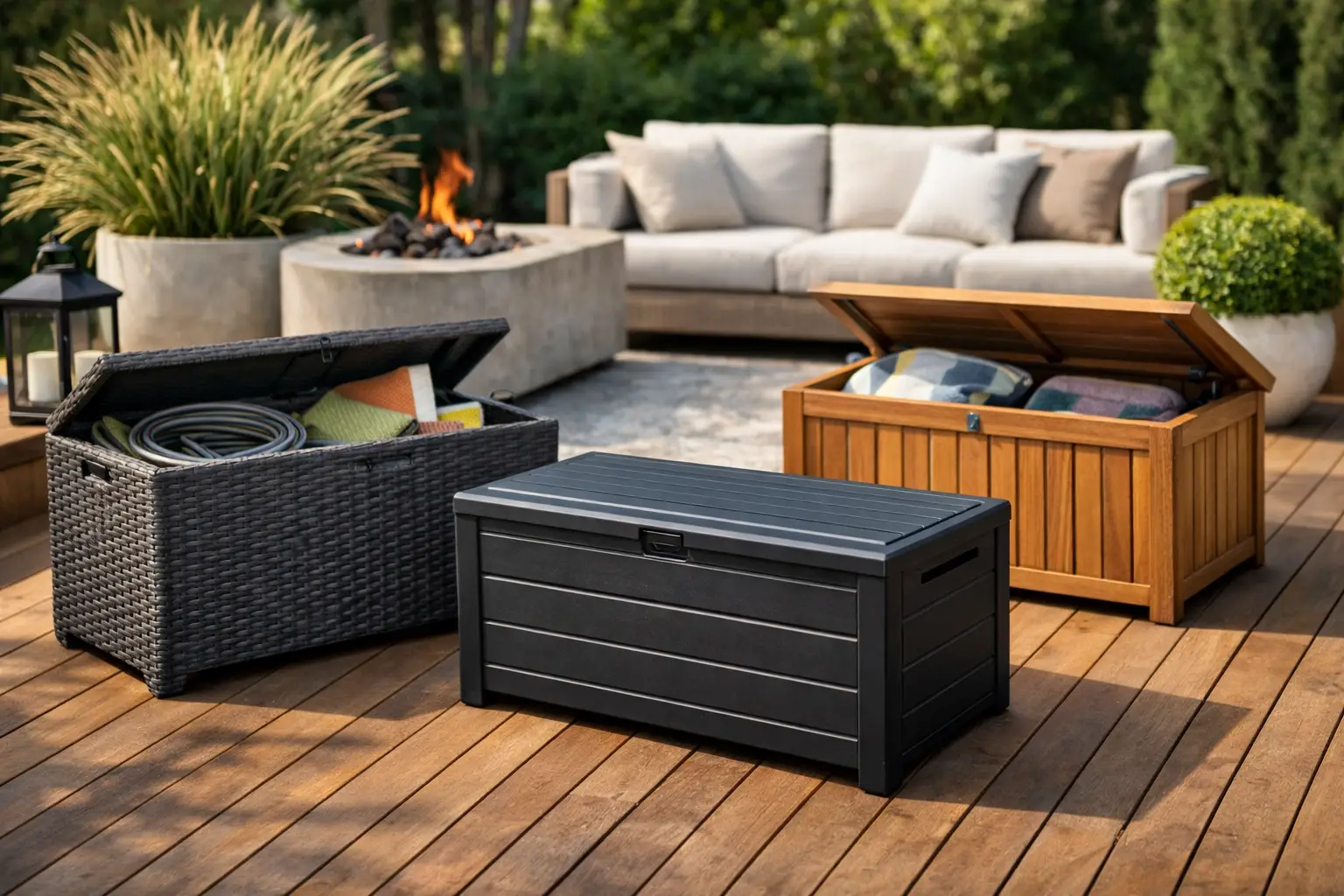
A patio looks effortlessly polished right up until the cushions, pool towels, garden tools, and kids’ toys need somewhere to go. The best outdoor storage boxes for patio spaces solve that daily reality without adding visual clutter. A thoughtfully chosen box keeps essentials protected, close at hand, and out of sight, so your outdoor setting stays ready for slow mornings, impromptu dinners, and relaxed weekends.
For a refined outdoor retreat, storage should feel like part of the design rather than an afterthought. The right piece can double as a bench, coffee table, or elegant backdrop for a lounge area while quietly handling the practical work.
What Makes a Patio Storage Box Worth Buying?
Capacity matters, but it is only the starting point. A premium outdoor storage box should protect what is inside from rain, sun exposure, dust, and curious wildlife while complementing the scale and style of the patio. The best option is rarely the largest model available. It is the one that holds your real-world essentials without overwhelming the space.
Start by thinking about what you will store. Seat cushions need a wide interior and a lid that prevents water from pooling. Pool supplies, gardening accessories, and outdoor games benefit from easy access and a more upright layout. If your box will hold deliveries or items with value, a lockable lid and a sturdy construction become more relevant.
A good lid also changes the everyday experience. Look for a design with assisted hinges or a soft-close mechanism, especially on larger boxes. It should open wide enough to make items easy to retrieve, then close securely without slamming. Small details like these are where craftsmanship and convenience meet.
Best Outdoor Storage Boxes for Patio Materials
Material determines the box’s appearance, upkeep, longevity, and price. Each option can work beautifully, but the climate and your patio’s design should guide the decision.
Resin: Low-Maintenance and Weather-Ready
High-quality resin storage boxes are a natural choice for busy households and exposed patios. They resist moisture, do not rust, and typically need nothing more than an occasional wipe-down. Many premium designs feature woven textures or wood-grain finishes that offer a more elevated look than basic molded plastic.
Resin is especially practical in humid climates, near pools, or on patios where rain is common. The trade-off is that lower-grade versions can fade or become brittle after prolonged sun exposure. Choose UV-protected resin with reinforced panels if the box will live in full sunlight.
Wicker: Tailored Texture for Lounge Areas
All-weather wicker storage boxes bring the warmth and texture of resort-inspired furniture to a patio. They pair particularly well with woven sectional seating, neutral outdoor rugs, and cushioned loungers. The best versions use a powder-coated aluminum frame beneath synthetic wicker, combining a handcrafted appearance with a more durable foundation.
Wicker requires slightly more consideration than resin. It should be made with weather-resistant materials, and a fitted interior liner is valuable for keeping cushions and fabrics dry. In harsh winters or coastal conditions, covering the box or moving it to a sheltered area can extend its finish.
Wood: Classic Character With More Care
Teak, acacia, eucalyptus, and cedar storage boxes make a strong design statement. Their natural grain gives an outdoor room depth and character, particularly beside wood dining furniture or a traditional garden setting. Teak is the standout for natural weather resistance, while other woods may require regular sealing or oiling.
Wood is a beautiful choice for homeowners who appreciate patina and are willing to maintain it. It is less ideal for a fully exposed patio if you want a completely hands-off solution. Moisture can cause warping over time, and a poorly ventilated wooden box may trap humidity around cushions.
Metal: Architectural and Secure
Powder-coated aluminum and galvanized steel boxes offer a clean, contemporary profile. Their solid construction can make them a strong choice for storing tools, grill accessories, or packages. Aluminum is lighter and rust-resistant, while steel tends to feel more substantial but may need more protection in wet or salty environments.
Metal can become hot in direct sun, and it may show dents more readily than resin or wicker. A quality finish, raised feet, and a lid designed to channel rainwater away make a meaningful difference.
Choose the Right Size Before You Shop
Storage capacity is often shown in gallons or cubic feet, but dimensions tell a more useful story. Measure the items you plan to store, particularly long chaise cushions, oversized outdoor pillows, or folded umbrellas. Then measure the patio itself, leaving clearance to walk around the box and open the lid comfortably.
For a small balcony or compact apartment patio, a slim 30- to 50-gallon box can hold throws, pillows, and a few accessories without crowding your seating. A medium box in the 70- to 120-gallon range generally suits a conversation set, providing space for several chair cushions and outdoor entertaining supplies. Larger 120-gallon-plus models are ideal for family patios, pool areas, or deep-seat sectional cushions.
Do not assume a larger box always creates a better result. An oversized storage chest can make a patio feel compressed, particularly if it blocks a view, interrupts traffic flow, or competes with a carefully selected sofa. When space is limited, choose a multifunctional design that earns its footprint.
Pick a Shape That Works Harder
The most successful patio storage pieces match their placement and purpose. Four formats are especially useful:
- A low deck box works well behind a sofa or along a fence, where it can store cushions without becoming the center of attention.
- A storage bench offers extra seating near a fire pit, dining area, or entry point from the yard.
- A compact cube can function as a side table beside lounge chairs while holding smaller items such as sunscreen, reading materials, and throws.
- A large horizontal chest is best for sectional cushions, pool towels, and larger seasonal gear.
If you plan to use the top surface as seating or a table, confirm its weight capacity. A flat, reinforced lid may be suitable for a tray of drinks, but not every storage box is designed to support people. Use the manufacturer’s weight guidance rather than relying on appearances.
Weather Protection Is More Than a Waterproof Claim
No outdoor storage box is immune to every weather condition. Even a water-resistant model can take on moisture if rainwater enters through a lid gap, condensation builds inside, or the box sits directly on a wet surface. Look for overlapping lid edges, interior seals, drainage design, and a slightly raised base.
Ventilation deserves attention, especially when storing fabric cushions. A completely sealed box may keep out rain, but it can also trap dampness after a storm or humid afternoon. Ventilation panels help air circulate and reduce the risk of mildew. For extra protection, make sure cushions are fully dry before storing them, and avoid packing the box so tightly that air cannot move around the contents.
In areas with heavy snow, frequent downpours, or coastal salt air, material selection becomes even more specific. UV-resistant resin and powder-coated aluminum are typically easier to live with year after year. Natural wood and woven designs can still be exceptional choices, but they reward a little seasonal care.
Security and Everyday Convenience
A lockable clasp is worthwhile if your patio is visible from the street, shared with neighbors, or used to store higher-value equipment. It will not replace dedicated security for expensive items, but it adds useful deterrence and keeps the lid from opening during high winds. Choose a model with a built-in locking point rather than trying to adapt a fragile latch.
Wheels or molded handles can also be valuable for large boxes. Even an empty chest may be awkward to reposition, and a box filled with wet cushions can be surprisingly heavy. If the box needs to move for cleaning, entertaining, or seasonal rearranging, mobility will feel like a luxury you use often.
Make Storage Part of the Patio Design
A storage box should support the visual rhythm of the outdoor room. Match dark wicker with existing lounge furniture, choose warm wood tones beside natural stone and greenery, or use a sleek graphite resin finish for a modern patio. Neutral shades such as charcoal, taupe, sand, and black tend to remain versatile as you update cushions and decor over time.
Placement is equally influential. Behind seating, a storage box can create a finished boundary for a lounge zone. Against the home, it can serve as a discreet utility piece. Near the pool, it keeps towels and float accessories available without scattering color and clutter across the deck.
The right storage box gives your patio a more composed feeling before a single guest arrives. Choose one that suits your climate, fits the pieces you actually use, and complements the furniture you already love. Then the practical details disappear, leaving more room for the outdoor moments you designed the space to enjoy.
Comments
[…] above, not just style. Pair a new set with proper off-season protection through our guide to outdoor storage boxes built for ventilated, breathable storage rather than sealed plastic bins that trap moisture. And if […]









Leave a comment