
What Is Smart Luxury? A Guide for Discerning Living
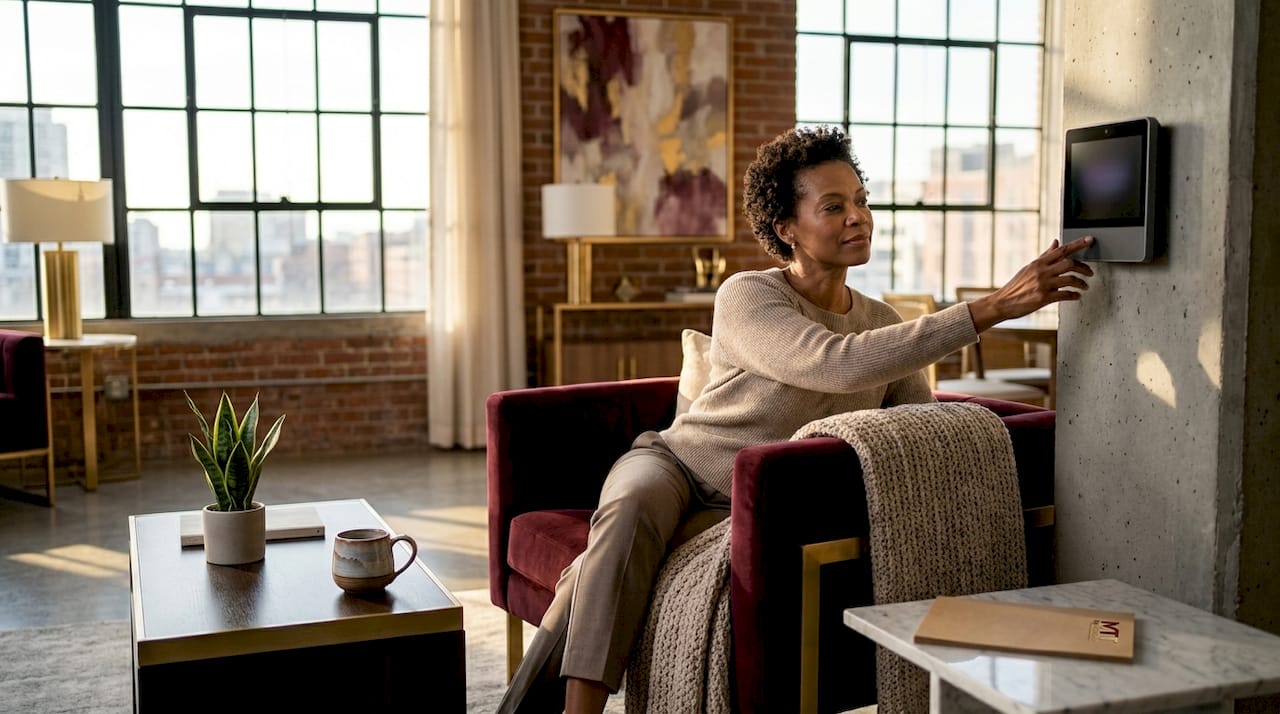
Smart luxury is defined as the deliberate practice of choosing fewer, better things and experiences, combining high-quality craftsmanship with purposeful technology to create a life of effortless sophistication. Unlike traditional luxury, which measured success by volume and visible status, this modern philosophy measures value by how well something fits your life. The concept has a recognized industry term: intentional luxury, though “smart luxury” has become the dominant phrase among affluent consumers and lifestyle editors alike. Understanding what smart luxury means gives you a clearer filter for every purchase, every space, and every experience you invest in.
What is smart luxury, and how does it differ from traditional luxury?
Smart luxury is the shift from accumulation to intention. Traditional luxury rewarded excess: more rooms, more labels, more possessions displayed as proof of success. Smart luxury inverts that logic entirely. The goal is not more but better, not louder but more considered.
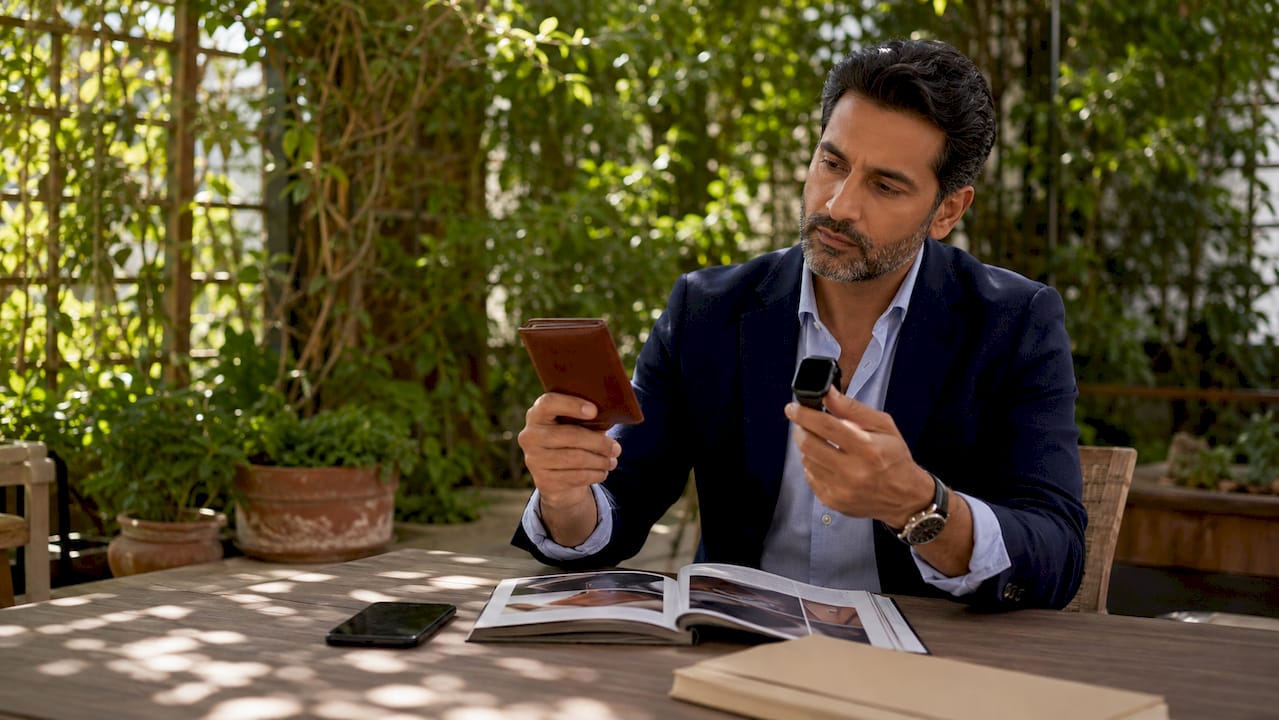
The clearest way to see this difference is in how each mindset frames a purchase decision.
| Old luxury mindset | Smart luxury mindset |
|---|---|
| Quantity signals status | Quality signals taste |
| Visible branding matters most | Craftsmanship speaks for itself |
| More options equal more freedom | Fewer, curated choices reduce friction |
| Technology is a feature to show off | Technology disappears into the experience |
| Prestige drives the decision | Personal values drive the decision |
The practical result of the smart luxury mindset is a calmer, lower-maintenance life. Affluent consumers now prioritize the intelligence of their choices, the calmness of their lifestyle, and genuine freedom over status signaling. That is a meaningful cultural shift, not just a marketing trend.
- Prioritize repeatable, low-maintenance experiences over one-time spectacles.
- Choose products built for longevity rather than seasonal relevance.
- Design environments that reduce daily friction rather than impress visitors.
- Select brands whose values align with yours, not just their prestige tier.
Pro Tip: Before any significant purchase, ask one question: “Does this make my daily life easier or more beautiful?” If the answer is neither, it does not belong in a smart luxury lifestyle.
How does technology define the smart luxury experience?
Technology is the engine of smart luxury, but only when it stays invisible. The key to luxury tech success is fully integrated technology that does not interrupt the ambiance or emotional experience of a space. The moment you notice the hardware, the luxury is gone.
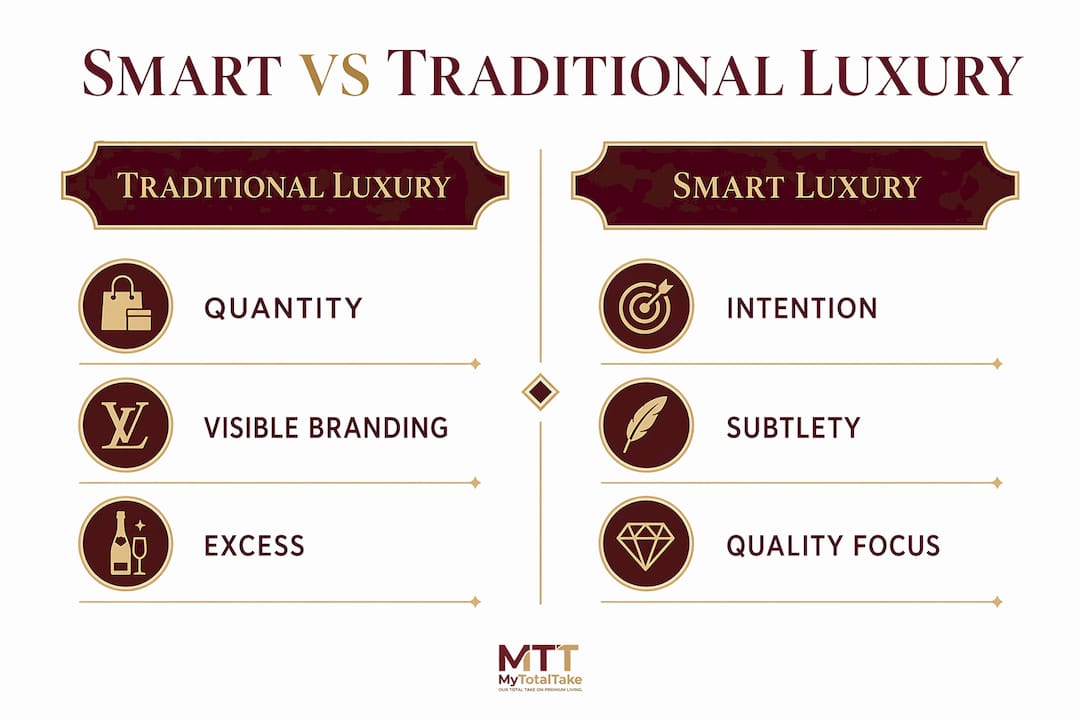
Artificial intelligence and the Internet of Things (IoT) make hyper-personalization possible at a scale that was not achievable a decade ago. AI and IoT integration now enables personalized experiences across automotive, fashion, and hospitality sectors. Products like TAG Heuer Connected and Apple Watch Hermès demonstrate how artisanal craftsmanship and tech functionality can coexist without either compromising the other.
The interface layer matters as much as the underlying technology. Hybrid UI systems orchestrate touch, voice, and gesture controls so the right interface appears automatically for the right moment. You do not choose how to interact; the system reads the context and adapts. That is the definition of effortless.
- AI-powered climate control adjusts temperature based on your schedule, not a manual setting.
- Facial recognition entry removes the friction of keys, codes, and cards entirely.
- Smart glass windows shift opacity and tint in response to light levels and privacy needs.
- Connected wearables track health data and feed it back into your environment and daily routines.
- Centralized control hubs manage lighting, sound, and temperature from a single interface.
Pro Tip: True smart luxury avoids over-automation. Systems that require constant manual input fail the effortless standard. Invest in contextual, routine-aware programming that learns your patterns and acts without being asked.
Smart luxury trends and examples across home design, fashion, and travel
The clearest smart luxury examples in 2026 appear across three sectors: residential design, fashion, and travel. Each sector applies the same core principle differently.
Residential design
Smart luxury home design in 2026 commonly includes AI-powered climate control, facial recognition entry, and smart glass windows for energy efficiency. These are not gadgets bolted onto a beautiful home. They are architectural decisions made at the design stage. The Rosewood Castiglion del Bosco estate in Tuscany illustrates this perfectly. Crestron Home OS enables centralized yet personalized control of lighting, climate, and entertainment across individual villas, with all hardware hidden behind walls and ceilings. Guests experience the result without ever seeing the system. For more on how this plays out in residential spaces, Mytotaltake covers smart home upgrades that genuinely feel premium rather than performative.
Exterior spaces follow the same logic. High-end pool design now integrates automated water chemistry management, programmable lighting scenes, and temperature control that responds to weather data. The pool runs itself. You simply enjoy it.
Fashion
In fashion, smart luxury means collaborations that merge artisanal quality with functional technology. Successful smart luxury brands maintain authenticity and emotional appeal alongside technical innovation. A watch that tracks your heart rate while carrying 150 years of Swiss watchmaking heritage is smart luxury. A garment with embedded biometric sensors woven from hand-loomed fabric is smart luxury. The technology earns its place by adding genuine value without erasing the craft.
Travel
Smart luxury travel focuses on human-centered design that prioritizes ease, clarity, and personalized service over flashy tech displays. The best smart luxury travel experiences remove friction at every touchpoint: pre-arrival preferences loaded into your room, a concierge who knows your dietary requirements before you ask, and itineraries built around your pace rather than a standard program. Technology powers all of it, but you never see the machinery.
| Sector | Smart luxury application | What it replaces |
|---|---|---|
| Residential | Invisible automation, contextual control | Manual systems, visible hardware |
| Fashion | Craft-tech collaboration | Status branding alone |
| Travel | Personalized, frictionless service | Generic premium packages |
| Wellness | Connected health environments | Isolated wellness products |
How to adopt smart luxury principles in your own lifestyle
Adopting a smart luxury lifestyle starts with a mindset shift, not a shopping list. Smart luxury replaces status anxiety with choices that reflect personal values and lifestyle simplicity. The question changes from “What will this signal to others?” to “What will this do for me every day?”
The practical framework is straightforward.
- Evaluate longevity first. A piece that lasts 20 years and requires no maintenance outperforms five pieces that need replacing every four years. Mytotaltake’s guide to choosing upscale products applies this logic across every category.
- Design for friction reduction. Every object in your home should earn its place by making your routine easier or your environment more beautiful. If it creates work, reconsider it.
- Invest in invisible quality. The best materials, the best construction, and the best engineering often go unnoticed. That invisibility is the point.
- Choose technology that learns. Effortless luxury systems rely on contextual programming aligned with your routines. Avoid systems that demand your attention to function.
- Align purchases with personal values. Smart luxury is value-driven rather than budget-driven. Affluent consumers no longer seek more; they seek smarter, more meaningful choices.
The mindset shift from status signaling to authentic self-satisfaction is the hardest part. Once you make it, every decision becomes clearer. You stop asking what something costs and start asking what it contributes.
Key Takeaways
Smart luxury is the practice of choosing intention over accumulation, using technology and craftsmanship together to create a life that is effortless, personal, and genuinely satisfying.
| Point | Details |
|---|---|
| Intention over accumulation | Smart luxury prioritizes fewer, better choices rather than volume or visible status. |
| Technology must be invisible | Effective smart luxury tech integrates into daily life without demanding attention or manual input. |
| Authenticity preserves value | Craft and technology must coexist without either erasing the other for a product to qualify as smart luxury. |
| Friction reduction is the goal | Every product, space, and experience should make daily life easier or more beautiful, not more complicated. |
| Values drive decisions | The shift from status signaling to personal alignment is the defining mindset of smart luxury living. |
Why smart luxury is the only direction worth watching
I have spent years watching the luxury market chase its own tail. Every season brought a new superlative: the biggest, the rarest, the most expensive. And every season, the most discerning buyers grew quieter. They stopped attending the spectacle.
What I find genuinely compelling about smart luxury is that it is not a trend. It is a correction. The affluent consumer has always had the means to buy anything. What changed is the willingness to buy everything. The shift toward smart luxury is human-centric at its core: luxury earns its value by fitting smoothly into daily life, not by demanding admiration.
The technology piece is where most brands still get it wrong. They treat AI and IoT as features to advertise rather than infrastructure to hide. The Rosewood Castiglion del Bosco example stays with me because you could spend a week there and never once think about the technology running the estate. That is the standard. If a guest notices the system, the system has failed.
My honest view is that the brands and spaces that will define luxury in the next decade are the ones obsessed with the signal, not the noise. They will build things that last, integrate technology that disappears, and earn loyalty through consistency rather than spectacle. The challenge of maintaining emotional appeal alongside advanced technology is real, but the brands solving it are already pulling ahead.
— Lysander
Mytotaltake and the smart luxury lifestyle
Mytotaltake curates products and insights specifically for people who have moved past the accumulation phase and want their choices to mean something.
The Mytotaltake catalog covers upscale products built to last, from designer furniture that earns its place in your home to luxury wellness products that deliver real results rather than just premium packaging. Every selection reflects the smart luxury standard: craftsmanship you can feel, technology that serves you quietly, and design that holds up over years rather than seasons. If you are refining your living environment or building a lifestyle that reflects your values, Mytotaltake is the place to start.
FAQ
What is the definition of smart luxury?
Smart luxury is defined as an intentional, quality-driven approach to consumption and lifestyle that prioritizes meaningful experiences, lasting craftsmanship, and invisible technology over volume, status, or excess.
How does smart luxury differ from traditional luxury?
Traditional luxury signals status through quantity and visible branding. Smart luxury signals taste through intention, longevity, and the effortless quality of daily experience.
What are the best smart luxury examples in 2026?
Leading examples include AI-powered smart homes with centralized control systems like Crestron Home OS, craft-tech fashion collaborations such as TAG Heuer Connected, and personalized smart luxury travel experiences built around frictionless, human-centered service.
Does smart luxury require a large budget?
Smart luxury is value-driven rather than budget-driven. The defining factor is the quality and intention behind a choice, not the price point. A single well-chosen, long-lasting piece outperforms many cheaper, disposable alternatives.
How do I start living a smart luxury lifestyle?
Begin by auditing your environment and routines for friction. Replace high-maintenance, low-value items with fewer, better alternatives. Prioritize products and spaces that reduce daily effort and reflect your personal values rather than external expectations.
Recommended
A Guide to Choosing a Kitchen Range Hood
Comments
[…] My Total Take, the best home upgrades are the ones that make a space more beautiful while improving the way it is lived in. Choose a fan […]







Leave a comment