
High-End Fashion Essentials: Your 2026 Style Guide
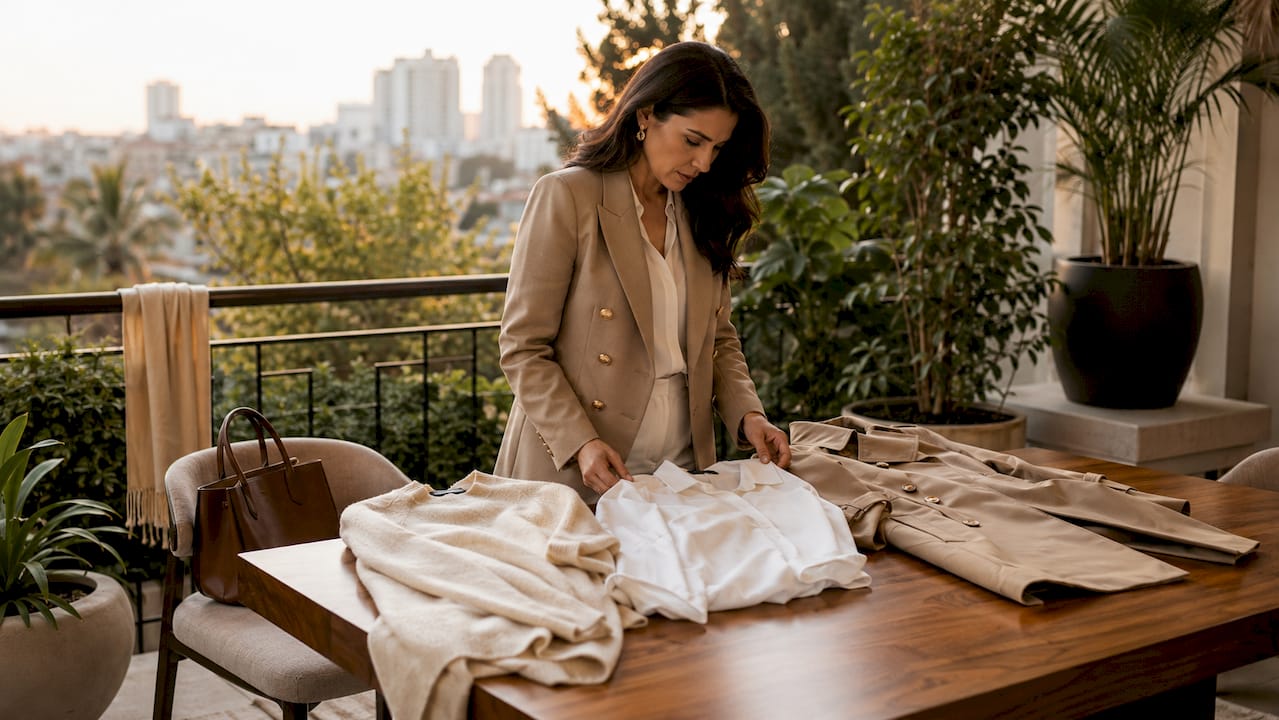
High-end fashion essentials are carefully curated wardrobe staples that combine timeless elegance, superior craftsmanship, and sustainable luxury to elevate your style with lasting confidence. The industry term for this approach is “investment dressing,” and it centers on pieces that outlast trends by years, not seasons. The 2026 quiet luxury movement has made this philosophy more relevant than ever, favoring neutral palettes, rich textures, and impeccable construction over loud logos. Whether you are building a wardrobe from scratch or refining what you already own, the principles of fit, fabric, and longevity guide every decision worth making.
1. What are the core high-end fashion essentials?
The foundation of any refined wardrobe rests on a small number of pieces that work across every occasion. These are not trend pieces. They are the items you reach for every week, year after year.
The core luxury wardrobe staples include:
- The perfectly tailored blazer. Structured tailoring instantly elevates any outfit by adding polish and a confident silhouette. A single well-cut blazer in camel, charcoal, or ivory works over trousers, denim, and dresses equally well.
- The classic white shirt and silk blouse. These two pieces cover every register from boardroom to weekend. A white cotton Oxford shirt and a fluid silk blouse in a neutral tone are non-negotiable.
- Well-cut trousers and premium denim. Straight-leg trousers in wool or a wool blend, and one pair of dark, clean-finish denim, balance comfort with elegance across every setting.
- Elegant knitwear in cashmere or luxury blends. A fine-gauge cashmere crewneck or turtleneck in a neutral color is the single most cost-effective luxury purchase most people overlook.
- A simple sheath or wrap dress. One well-constructed dress in a neutral fabric carries you from professional meetings to evening events without effort.
The neutral palette is not a creative limitation. It is the mechanism that makes every piece work with every other piece you own.
Pro Tip: Before buying any new piece, take it to a tailor for a fitting. Even a $400 blazer looks like a $1,200 one after a proper sleeve and waist adjustment.
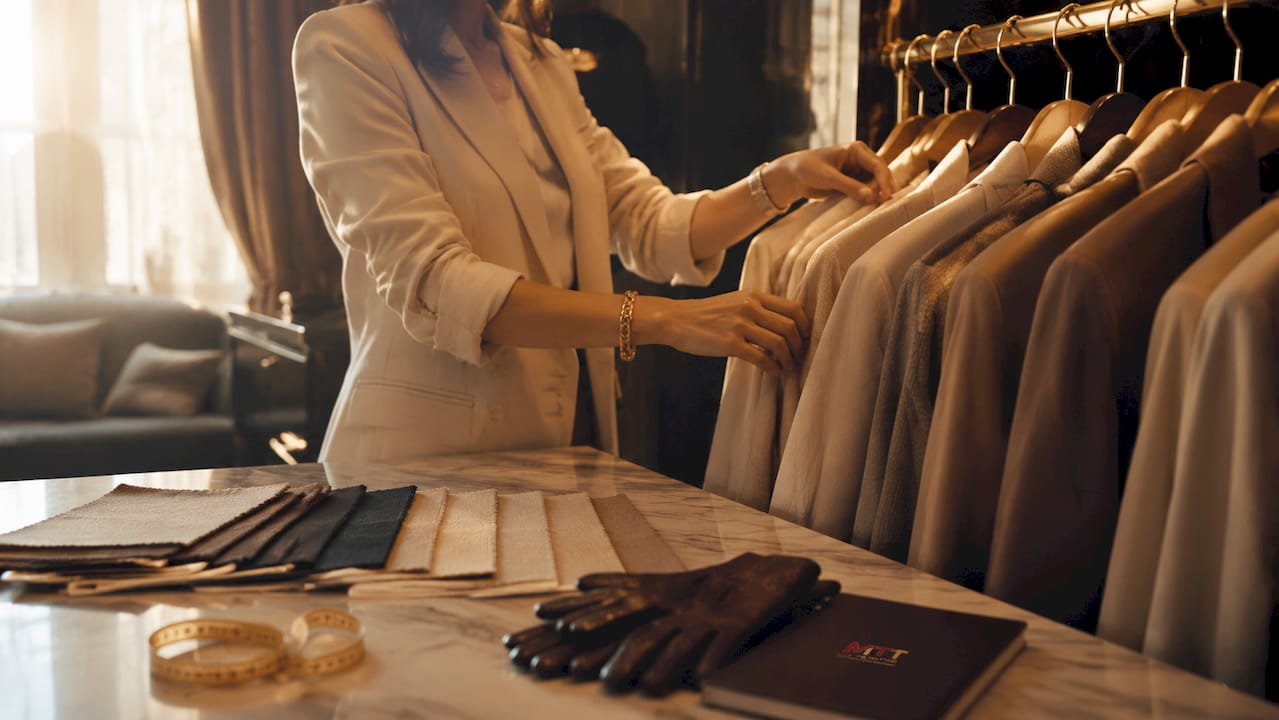
2. Which accessories and footwear define upscale style?
Accessories are where the quiet luxury aesthetic becomes most visible. Subtle refinements in accessories communicate sophistication far more effectively than any logo placement.
The designer fashion must-haves in this category include:
- A structured leather bag. Choose one bag with quality hardware, clean stitching, and a shape that holds its structure over time. Carry potential matters: a bag you use five days a week has a dramatically lower cost-per-wear than one used twice a year.
- Fine jewelry in gold or silver. A simple chain necklace, a pair of small hoop earrings, and one quality watch form the backbone of a refined jewelry wardrobe. These pieces work every day without looking overdressed.
- Refined leather shoes. Pointed-toe flats, classic loafers, and a clean pump in black or nude cover every occasion. Leather soles and quality construction extend the life of a shoe by years compared to synthetic alternatives.
Attention to details like beautiful hardware and soft leather elevates the overall look without relying on overt branding. That is the core principle of the stealth wealth aesthetic: quality you can feel, not logos you can read.
3. How do sustainable fabrics affect the value of your wardrobe?
Fabric is the single most honest indicator of quality in any garment. You can see it, feel it, and watch how it ages. Sustainable fabrics like organic cotton, Tencel, and recycled silk age gracefully and hold their structure through years of wear and washing.
The preferred fabrics for a truly refined wardrobe are:
- Cashmere. The finest cashmere comes from the undercoat of Mongolian or Himalayan goats. Two-ply cashmere resists pilling far better than single-ply blends.
- Silk and recycled silk. Silk regulates temperature, drapes beautifully, and communicates luxury through texture alone. Recycled silk achieves the same result with a lower environmental footprint.
- Wool and merino wool. Fine merino is naturally odor-resistant and wrinkle-resistant, making it one of the most practical luxury fabrics for travel and daily wear.
- Organic cotton. Tightly woven organic cotton in a high thread count outlasts conventional cotton by a significant margin and softens with washing rather than degrading.
- Tencel (lyocell). Tencel is derived from sustainably sourced wood pulp. It drapes like silk, breathes like cotton, and holds color exceptionally well.
Sustainability and craftsmanship are now central to defining true luxury beyond aesthetics. This shift means that the most discerning buyers now evaluate a garment’s supply chain and construction as carefully as its silhouette. Understanding what defines luxury materials helps you make purchases you will not regret in two years.
Pro Tip: Store cashmere and wool pieces folded, never hung. Hanging stretches the fibers over time and distorts the shoulder line permanently.
4. What color palettes align with the quiet luxury movement?
The quiet luxury aesthetic prioritizes a specific, disciplined color palette. Neutral, harmonious tones like cream, ivory, camel, charcoal, navy, black, and olive form the foundation of this approach. These colors mix and layer without friction, which is precisely their value.
Neutral tonal layering creates effortless polish and maximizes wardrobe versatility. Combining soft beige with ivory and camel, or pairing charcoal with navy and muted blush, produces harmonized outfits that read as intentional and refined without any single piece doing heavy lifting.
| Color | Best pairings | Wardrobe role |
|---|---|---|
| Ivory | Camel, soft gray, navy | Brightens tonal looks |
| Camel | Ivory, chocolate, black | Anchors warm-toned outfits |
| Charcoal | Navy, ivory, blush | Replaces black for softer contrast |
| Navy | Ivory, camel, white | Adds depth without harshness |
| Olive | Cream, tan, rust | Grounds earthy, layered looks |
The stealth wealth movement favors meticulously crafted clothes that avoid loud, trend-driven designs. Brands like Brunello Cucinelli and Hermès exemplify this with understated construction and exceptional material quality. The lesson for your wardrobe is clear: a perfectly cut camel coat in a fine wool blend will outlast three seasons of trend-driven purchases and look better doing it.
5. How to build a high-end wardrobe using cost-per-wear thinking?
Cost-per-wear is the most useful framework for luxury fashion investment. Divide the price of a garment by the number of times you will realistically wear it. A $900 cashmere coat worn 150 times over five years costs $6 per wear. A $300 statement dress worn twice costs $150 per wear.
Investment spending belongs on items with low cost-per-wear potential, like a perfect black blazer, fine jewelry, and quality leather shoes. These are the pieces that earn their price over time. The strategy centers on longevity over logos, which keeps your wardrobe relevant across years, not just seasons.
Buying versatile, neutral-toned investment pieces is always preferable to purchasing high-maintenance, one-time-use statement items. Renting statement dresses and vacation wardrobes is the smarter move for low-frequency occasions. This approach preserves capital for the pieces that genuinely build your wardrobe.
Practical habits that protect your investment:
- Dry clean cashmere and silk only when necessary. Overwashing degrades fibers faster than wear does.
- Use cedar blocks in your closet to repel moths from wool and cashmere.
- Rotate shoes with cedar shoe trees to maintain their shape between wears.
- Store leather bags stuffed with tissue paper to preserve their structure.
The same principle that applies to choosing upscale products that last in any category applies here: prioritize construction, material integrity, and versatility over novelty.
6. What makes a designer piece worth its price?
A designer piece earns its price through construction details that mass-market garments skip entirely. What makes a designer piece worth owning comes down to four factors: fabric sourcing, stitching precision, finishing quality, and silhouette integrity.
Stitching density matters more than most people realize. A higher stitch count per inch produces a stronger seam that resists splitting under tension. French seams, flat-felled seams, and bound buttonholes are all markers of garments built to last decades, not seasons.
Luxury fashion is shifting toward timeless staples and away from flashy logos, favoring subtlety and high-quality materials. This shift benefits the buyer directly. It means the most durable and refined pieces are now also the most fashionable ones. Investing in a beautifully constructed wool coat or a hand-stitched leather loafer is both a style decision and a financial one. The two are no longer in conflict.
The parallel to craftsmanship in other premium categories is worth noting. Whether the object is a garment or a piece of furniture, the markers of lasting quality are the same: material integrity, construction precision, and a design that does not chase trends.
Key takeaways
A refined wardrobe is built on neutral, well-constructed pieces in sustainable fabrics, chosen for longevity and cost-per-wear value rather than trend appeal.
| Point | Details |
|---|---|
| Invest in tailored basics | A blazer, white shirt, and quality trousers form the backbone of any upscale wardrobe. |
| Choose sustainable fabrics | Cashmere, merino wool, Tencel, and recycled silk age well and justify their price over time. |
| Apply cost-per-wear thinking | Buy versatile investment pieces; rent statement or trend items used only once or twice. |
| Embrace the neutral palette | Colors like ivory, camel, charcoal, and navy maximize outfit combinations without effort. |
| Prioritize construction details | Stitching precision, quality hardware, and fabric sourcing define lasting designer value. |
The signal, not the noise
I have spent years watching people overspend on fashion and end up with wardrobes that feel full but function poorly. The most common mistake is buying for the moment rather than for the wardrobe. A piece that photographs well but clashes with everything else you own is not an asset. It is a liability wearing a price tag.
The quiet luxury shift happening in 2026 is not a trend. It is a correction. After years of logo saturation and fast fashion fatigue, discerning buyers are returning to what actually works: fit, fabric, and restraint. The women I most admire for their style are not wearing the loudest pieces. They are wearing the best ones.
My honest advice is this: buy half as many pieces and spend twice as much on each one. A wardrobe of 20 genuinely excellent items will serve you better than 60 mediocre ones. Start with the blazer, the cashmere knit, and one pair of quality leather shoes. Build from there. Every addition should earn its place by working with at least five other things you already own.
Sustainable choices and lasting elegance are not competing values. They are the same value, expressed through different lenses. When you buy a Tencel blouse that holds its color for five years or a wool coat that improves with age, you are making a decision that is good for your wardrobe and good beyond it.
— Lysander
Mytotaltake: your resource for lasting quality
Mytotaltake curates premium products built on the same principles that define a refined wardrobe: craftsmanship, material integrity, and designs that outlast the moment they were made in.
The Mytotaltake editorial team covers the full spectrum of upscale living, from fashion investment principles to tips for choosing upscale products that hold their value across years. If you want to understand what separates a lasting purchase from a regrettable one, the guides at Mytotaltake give you the framework to decide with confidence. Explore the full range of luxury style insights and find the pieces worth owning for the long term.
FAQ
What are high-end fashion essentials for women?
High-end fashion essentials for women are timeless, versatile pieces built from quality materials, including a tailored blazer, cashmere knitwear, a silk blouse, well-cut trousers, and refined leather shoes. These upscale clothing essentials prioritize fit, fabric, and longevity over trend appeal.
What is the quiet luxury trend in 2026?
The quiet luxury trend favors neutral palettes, sustainable fabrics, and understated construction over visible logos and trend-driven designs. Brands like Brunello Cucinelli and Hermès define this aesthetic with meticulously crafted, low-profile pieces.
Which fabrics are best for luxury wardrobe staples?
Cashmere, merino wool, silk, Tencel, and organic cotton are the top choices for luxury wardrobe staples. These fabrics age well, hold their structure, and communicate quality through texture rather than branding.
How does cost-per-wear apply to designer fashion must-haves?
Cost-per-wear divides a garment’s price by the number of times you wear it. A $900 cashmere coat worn 150 times costs $6 per wear, making it a far better investment than a $300 statement dress worn twice.
Should I buy or rent high-fashion statement pieces?
Rent statement dresses and trend-driven items used only once or twice a year. Buy versatile, neutral investment pieces like blazers, leather bags, and quality shoes that you will wear consistently across multiple seasons.
Recommended
A Guide to Choosing a Kitchen Range Hood
Understanding Artisanal Quality: A Consumer’s Guide
Comments
[…] how the collection is organized by style and use case. Prefer something wearable or gift-ready? The high-end fashion essentials guide walks through the current edit season by season. Many orders ship promptly and include free […]







Leave a comment