
How to Choose a Shower Panel Tower System
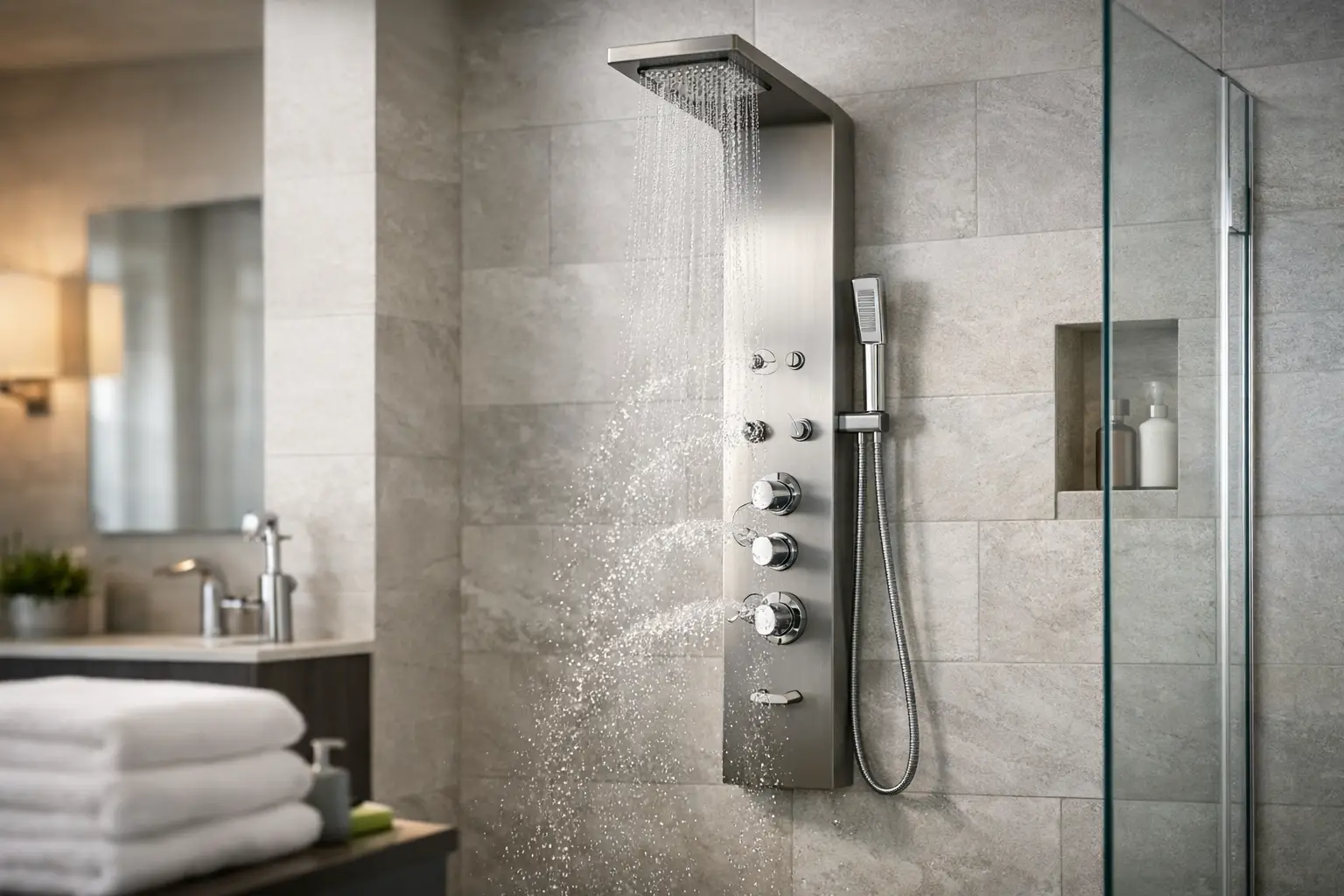
A shower panel tower can turn an ordinary morning routine into a more considered ritual – but only when its dimensions, plumbing, and features suit the room. Knowing how to choose a shower panel tower system starts with looking beyond the polished finish. The most beautiful panel is not the right choice if it overwhelms a compact shower, demands more water pressure than your home can deliver, or adds jets you will never use.
For a refined bathroom upgrade, think of a shower tower as a complete experience rather than a single fixture. It brings together the showerhead, controls, hand shower, and often body jets in one vertical statement piece. The goal is to select a system that feels luxurious every day while remaining practical to install, clean, and enjoy.
How to Choose a Shower Panel Tower System for Your Space
Start with the shower enclosure, not the product photos. Measure the wall where the panel will sit, then consider the reach of the rainfall showerhead, the swing of the door, and the space needed to comfortably use a hand shower. A broad, dramatic panel can become the focal point of a large walk-in shower, while a slimmer profile often gives an apartment bath or modest alcove a more balanced, intentional look.
Height matters as much as width. Most tower systems are designed for standard ceiling heights, but the overhead shower should clear the tallest person in the household without spraying beyond the enclosure. If the tower includes an adjustable top section, confirm its full installed height rather than relying on the panel body measurement alone.
Choose wall-mounted or corner-mounted placement
Most shower panels install flat against a finished wall, making them a natural choice for a rectangular alcove or open shower wall. Some systems are designed for a corner, which can preserve visual openness in a smaller enclosure. The mounting location also determines where water will fall. A rainfall head should be positioned well within the shower area, especially when the bathroom has a curbless layout or a partial glass screen.
Before ordering, locate the existing water supply lines and confirm whether the system is compatible with your current configuration. Many panel towers are designed to connect to standard hot and cold water inlets, yet the exact spacing, connection type, and mounting requirements vary. A professional installer can quickly confirm whether the upgrade is straightforward or whether your bathroom needs plumbing changes behind the wall.
Water Pressure Is the Feature That Makes or Breaks It
Body jets, rain showerheads, and handheld sprayers all draw from the same water supply. A tower system with multiple outlets can feel genuinely indulgent in a home with strong, consistent pressure. In a low-pressure setting, however, an over-featured panel may produce a disappointing trickle when you expect a full, enveloping spray.
Check the product’s recommended water pressure and flow requirements, then compare them with your home’s performance. If you are uncertain, a plumber can test the pressure and flag issues such as aging pipes, mineral buildup, or a pressure-reducing valve. This step is especially worthwhile in older homes and high-rise apartments, where pressure can vary more than expected.
Also look at how the system operates its outlets. Some shower towers let you use the rainfall head, hand shower, or body jets one at a time. Others allow two functions to run together. Dual-function operation offers a more immersive shower, but it requires adequate flow and may increase water use. If daily efficiency is a priority, a well-designed single-function diverter can still feel high-end while keeping control simple.
Thermostatic controls offer a more polished daily experience
A thermostatic valve holds the water at a chosen temperature even when someone runs a faucet elsewhere in the home. It is a valuable feature for busy households, where unexpected temperature shifts can interrupt the shower. It also gives the system a more elevated, hotel-inspired feel: set the temperature once, then focus on choosing the spray you want.
Pressure-balancing valves are another dependable option. They help reduce sudden temperature changes, though they do not maintain a precise set temperature in the same way. Either can be a sensible choice, but a thermostatic shower panel is particularly appealing when comfort, consistency, and a more tailored experience are central to the renovation.
Select Features You Will Actually Use
A shower panel tower may include a rainfall head, waterfall outlet, hand shower, body jets, foot spout, LED lighting, or digital controls. More functions are not automatically better. The right system is the one that makes your routine feel more comfortable without cluttering it with controls or components that go untouched.
For most households, the strongest combination is a generous overhead shower and a flexible handheld sprayer. The rain shower creates the calm, spa-like moment; the hand shower brings everyday convenience for rinsing hair, cleaning the enclosure, bathing children, or helping a pet after a muddy walk.
Body jets deserve a more deliberate decision. When positioned well, they create a relaxing, full-body rinse and make a spacious shower feel like a private retreat. They are less essential in a narrow enclosure, where users may stand too close to enjoy them comfortably. They also require attentive cleaning in hard-water areas because their nozzles can collect mineral deposits over time.
LED lighting and temperature displays can add a striking contemporary detail, particularly in a modern primary bath. Still, these elements should complement the design rather than become the reason for the purchase. Prioritize water performance, valve quality, and finish first.
Look Closely at Materials, Finish, and Craftsmanship
The panel’s material influences its appearance, durability, and maintenance. Stainless steel is a popular premium choice because it offers a clean architectural look and resists corrosion well. Tempered glass can feel especially sleek and reflective, while aluminum panels are often lighter and may suit a more budget-conscious renovation. Whichever material you choose, look for solid controls, secure hose connections, and a finish that is intended for wet environments.
Finish should relate to the rest of the bathroom, not merely match it. Brushed nickel brings a soft, versatile sophistication that works across transitional and contemporary spaces. Matte black creates contrast and definition against pale stone or warm tile, though it may show soap residue more readily. Brushed gold and champagne tones introduce warmth and make a shower feel distinctly curated, especially when repeated in the vanity hardware or lighting.
A high-end haven is built through restraint. If the room already has patterned tile, bold stone, or a statement vanity, a clean stainless or brushed nickel tower can provide balance. In a quieter bathroom, a sculptural black or warm-metal panel can become the feature that gives the space character.
Consider cleaning before choosing a finish
Every shower panel needs regular care, but some details make upkeep easier. Silicone nozzles are preferable in hard-water regions because mineral buildup can often be removed with a gentle rub. Flat or lightly textured surfaces are generally easier to wipe down than deeply grooved designs. Choose controls that are comfortably sized and clearly marked, particularly if multiple people will use the shower.
Avoid abrasive cleaners and harsh scouring pads, which can dull a premium finish. A soft cloth and a finish-safe cleaner used consistently will preserve the panel’s tailored appearance far better than occasional aggressive cleaning.
Plan for Installation, Service, and Long-Term Value
Shower tower systems range from relatively simple surface-mounted upgrades to installations that require new plumbing, waterproofing work, or electrical connections for lighting. Be candid about the project scope before selecting a model. A panel that connects cleanly to existing supply lines may offer exceptional impact without a full remodel. A more complex system may be worth it in a primary bathroom renovation where walls are already open.
Ask whether replacement parts are available for cartridges, hoses, handheld sprayers, and diverters. A shower panel is a daily-use fixture, and long-term serviceability protects the investment. Clear installation instructions, a meaningful warranty, and responsive support also matter more than a slightly lower initial price.
Set the budget around the complete project, including installation, any plumbing modifications, and compatible accessories such as a drain, glass enclosure, or upgraded ventilation. A lower-priced panel can lose its appeal if it requires expensive adaptation, while a better-engineered option may deliver greater value through easier installation, more reliable controls, and enduring design.
The most satisfying choice is rarely the panel with every possible function. It is the one that fits your shower precisely, performs confidently with your water supply, and brings a sense of considered comfort to the room. Choose that balance well, and the shower becomes one of the most quietly luxurious parts of home.










Leave a comment