Why Authenticity Matters in Fashion for Discerning Buyers
Verified authenticity is the single most important factor protecting the material quality, craftsmanship, and resale value that justify luxury prices. EY’s 2026 Luxury Client Index found that many luxury shoppers cite material quality and brand heritage among their primary purchase drivers. Separately, a BCG and Vestiaire Collective 2025 survey found that a significant portion of consumers consider Digital Product Passport (DPP) authentication valuable when buying a luxury item.
The practical takeaway: before any significant purchase, look for items with verifiable provenance — a tap-to-verify NFC chip, a serialized DPP, or a certified pre-owned (CPO) program backed by the brand. Keep every receipt, certificate, and service record you receive.
- Material quality and craftsmanship are the top reasons buyers pay luxury prices — and only a genuine piece delivers them.
- Digital provenance tools (DPPs, NFC chips) are now the strongest authentication signal available to buyers.
- Documentation matters at resale: authenticated pieces command higher prices and qualify for CPO programs; unauthenticated ones often don’t.
Key Takeaways
Verified provenance is the foundation of every worthwhile luxury purchase — without it, material quality, resale value, and aftercare access are all at risk.
| Point | Details |
|---|---|
| Material quality drives value | Many luxury shoppers cite material quality as a top purchase driver; only genuine pieces deliver it. |
| Digital provenance is the strongest signal | A large portion of consumers find DPP authentication valuable when buying; tap-to-verify NFC is recognized as a fast, reliable check. |
| Visual inspection alone is insufficient | Superfakes defeat most surface-level tells; combine a digital cryptographic check with expert assessment for high-value items. |
| Documentation protects resale value | Complete records (receipts, serial numbers, service logs) qualify pieces for CPO programs and command higher resale prices. |
| Mytotaltake curates for provenance | Every Mytotaltake listing is selected for verifiable origin, material standards, and aftercare access. |
Table of Contents
- Why authenticity matters in fashion: the real buyer benefits
- How counterfeits and poor provenance harm you and the market
- How authentication works today
- How to verify authenticity before you buy
- When to call an expert and which services to trust
- Where the industry is heading on provenance and digital authentication
- What to do if you suspect you bought a counterfeit
- Why provenance-first curation is the only standard worth keeping
- Mytotaltake’s curated approach to authenticated luxury
- Sources
Why authenticity matters in fashion: the real buyer benefits
Authenticity in luxury fashion is not an abstract ideal. It is the mechanism that delivers everything you are actually paying for.
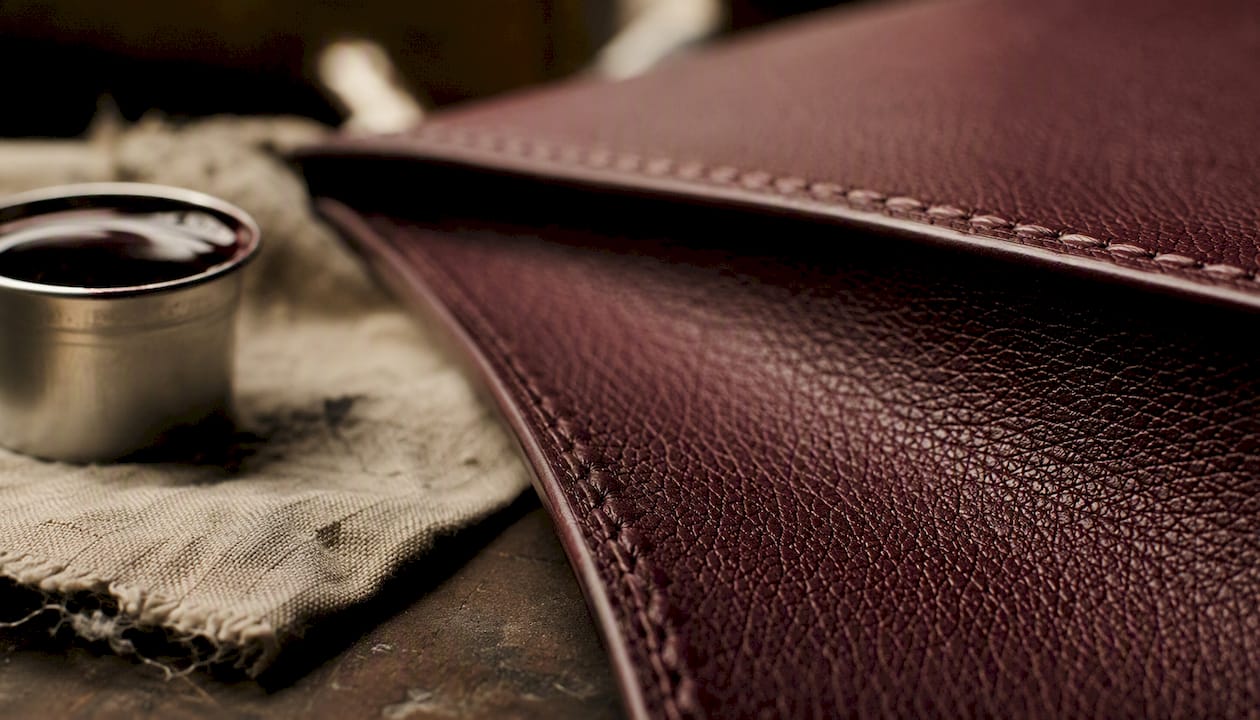
Materials and craftsmanship come first. A genuine Hermès Birkin uses Togo or Epsom leather tanned to exacting specifications; a counterfeit uses whatever approximates the look at the lowest cost. That gap shows up in texture, durability, and the way the piece ages. EY’s 2026 findings confirm that material quality and brand heritage are the two dominant purchase drivers for luxury consumers — and both are inseparable from verified origin.
Service access and aftercare depend on authenticity. Authorized repair centers, manufacturer warranties, and brand-run restoration programs are available only for genuine pieces. A Rolex service center will refuse to work on a movement it cannot verify as authentic. That refusal has real financial consequences when a watch needs a full service.
Resale value follows provenance. Authenticated resale channels and CPO programs are growing faster than the primary market, with BCG projecting the resale market could reach hundreds of billions of dollars in the future. Pieces with complete documentation — original receipts, service logs, and a digital identity — consistently command higher prices in that market.
Provenance carries emotional weight, too. As Salon Privé notes, buyers today pay for knowing who made an item and where it came from. That traceable origin story is part of what makes a piece feel heirloom-worthy rather than merely expensive.
Pro Tip: When buying a designer piece, ask the seller for the original purchase receipt, any service records, and the item’s serial or reference number. Cross-check that number against the brand’s own records or an authorized retailer before completing the transaction.
How counterfeits and poor provenance harm you and the market
The financial and physical risks of buying an unauthenticated luxury item are more concrete than most buyers expect.
Direct buyer harms include:
- Inferior materials that degrade quickly — glued hardware, synthetic linings, and low-grade metals that tarnish or cause skin reactions
- Hidden repairs or alterations that reduce structural integrity and resale eligibility
- Immediate loss of resale value: a piece rejected by a CPO program or authentication service is worth a fraction of what you paid
- Loss of aftercare access, meaning repairs come out of pocket at non-authorized shops
Market-level harms are equally serious. Research by Wilcox, Kim, and Sen in the Journal of Marketing Research shows that counterfeit demand is driven by social-adjustive motives and that widespread counterfeiting dilutes brand exclusivity, eroding the very prestige that makes authentic pieces valuable. When enough fakes circulate, the signal value of owning the real thing diminishes for everyone.
The scale of the problem is significant. BCG’s 2025 analysis identifies handbags, footwear, and watches as the top counterfeit targets, with “superfakes” now sophisticated enough to defeat most visual inspection. A BBC consumer case from 2026 illustrates the real-world outcome: a buyer paid £400 for a Prada bag on a platform that offered authentication, only to discover later the bag was counterfeit.
How authentication works today
Authentication has moved well beyond a trained eye and a loupe. The current toolkit spans five distinct approaches, each with different strengths.
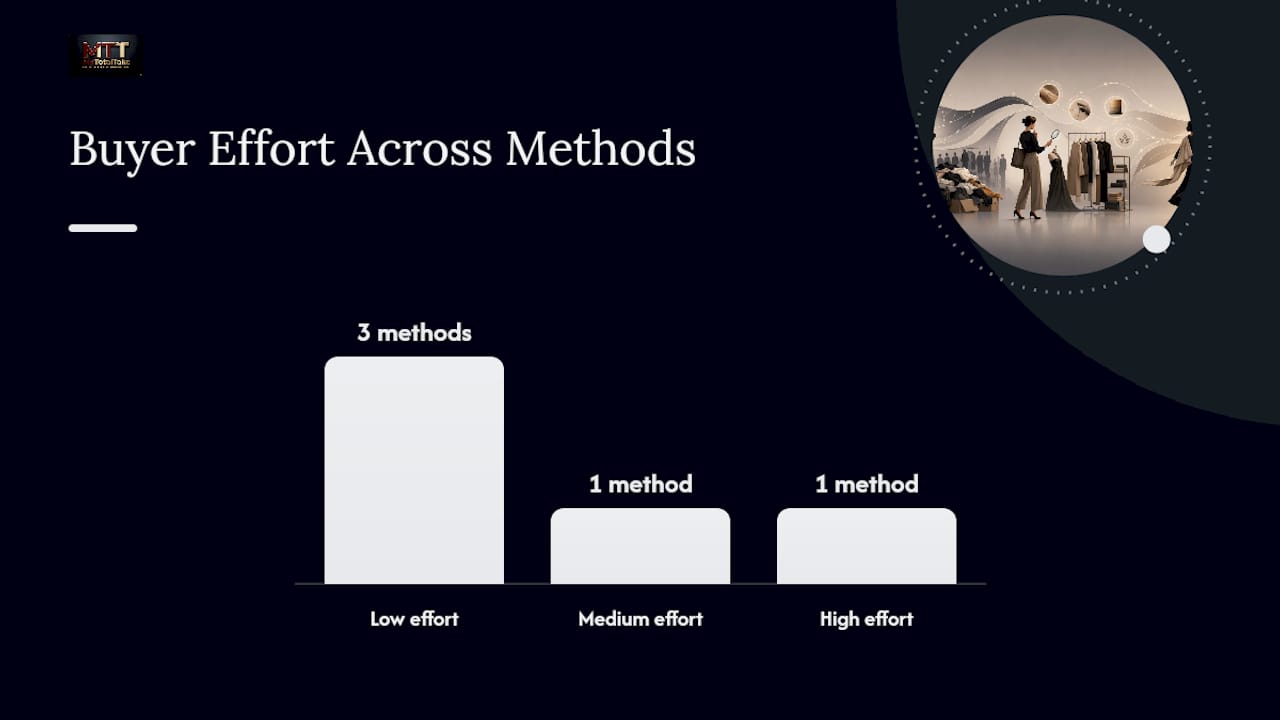
| Method | What it verifies | Buyer effort | Typical reliability | Typical cost/turnaround |
|---|---|---|---|---|
| Visual inspection | Surface markers, stitching, hardware, fonts | Low | Moderate (fails on superfakes) | Free / immediate |
| Paper documentation | Purchase receipts, certificates of authenticity | Low | Moderate (documents can be forged) | Free / immediate |
| Expert human assessment | Materials, construction, provenance history | Medium | High | $50–$150+ / 1–5 days |
| Lab-based material testing | Leather origin, metal alloys, thread composition | High | Very high | $50–$150 / 1–5 days |
| Digital provenance (NFC/QR/DPP) | Cryptographic product identity, ownership history | Low (tap or scan) | Very high | Free / immediate |
Two technology providers are worth knowing by name. Entrupy uses AI-powered microscopic image analysis to authenticate luxury handbags and accessories, producing a certificate that many resale platforms accept. Certilogo takes a different approach: brands embed a unique QR code or NFC tag at the point of manufacture, and buyers tap or scan to verify directly against the brand’s own database. Both represent the shift toward forensic and cryptographic verification that visual inspection alone cannot match.
Selinko’s verification guide is direct on this point: visual inspection is necessary but no longer sufficient for high-value items. The current best practice combines a digital cryptographic check with an expert assessment for anything above a few hundred dollars.
Pro Tip: For watches and fine jewelry specifically, an authorized service center inspection remains the gold standard. A movement examination by a brand-certified watchmaker reveals alterations that no surface check or digital tag can catch.
How to verify authenticity before you buy
The right checks depend on where you’re buying. Here is a channel-by-channel sequence.
Universal pre-purchase steps (apply everywhere):
- Request the item’s serial or reference number and verify it with the brand directly or through an authorized retailer.
- Ask for a digital identity: NFC chip, QR-linked DPP, or platform-issued authentication certificate.
- Review the full ownership and service history — gaps are a red flag.
- Insist on original receipts and any service records.
- Use payment methods with dispute protection (major credit cards, PayPal Goods and Services) so you have a chargeback route if needed.
Online marketplaces: Check the seller’s transaction history and review count. Understand exactly what a platform’s authentication program covers — most cover condition grading but not full provenance. A price significantly below market value is almost always a warning sign, not a deal.
Resale and CPO programs: Prefer brand-run CPO programs or platform-backed digital verification over seller-only assurances. Request the transfer history and confirm the item has not been flagged in any prior dispute.
In-store and auction purchases: Ask for provenance paperwork at the point of sale. Request an onsite brand authentication check when available. For auction houses, review the lot notes carefully — reputable houses provide condition reports and provenance statements.
Pro Tip: For high-value private sales where provenance is incomplete, use a conditional purchase agreement or a payment escrow service. Release funds only after an independent authenticator confirms the piece.
When to call an expert and which services to trust
Some situations make professional authentication non-negotiable: any piece above $2,000, items with ambiguous or missing documentation, rare or vintage pieces, and anything suspected of being a superfake.
The 2023 academic study on luxury authentication found that while expert-based authentication is the most reliable method, consumers and sellers strongly prefer digital approaches because they are faster and lower-cost. That preference gap is exactly why brands are investing in NFC and DPP infrastructure.
Types of trusted services:
- Lab-based material testing: Confirms leather origin, metal composition, and thread authenticity. Highest reliability, slowest turnaround (one to two weeks), and highest cost.
- Professional authenticators: Human experts who assess construction, hardware, and provenance documents. Turnaround typically one to five business days; cost ranges from $50 to $150 or more depending on category.
- Brand-authorized service centers: The definitive source for watches, fine jewelry, and items requiring mechanical inspection. Their written authentication statement carries legal weight in disputes.
- Serialized digital verification (Entrupy, Certilogo, NFC/DPP): Fastest and most scalable. Entrupy’s AI-image analysis and Certilogo’s brand-embedded QR/NFC checks deliver results in minutes, with certificates that most major resale platforms accept.
For the highest-value purchases, combining a digital check with a human expert assessment gives the strongest possible assurance.
Where the industry is heading on provenance and digital authentication
The direction is clear: digital provenance is becoming the baseline expectation, not a premium add-on.
BCG’s 2025 consumer data shows that approximately 70% of consumers find DPP authentication valuable when buying a luxury item, and 67% when selling one. That near-symmetry matters: authentication is no longer just a buyer’s concern. Sellers who can offer a verified digital identity command better prices.
What’s driving the shift:
- Brands are embedding NFC chips, serialized QR codes, and microchips directly into products at manufacture, creating an immutable link between the physical item and its digital record.
- Selective blockchain implementations are being used for provenance chains in watches and fine jewelry, where ownership history is particularly valuable.
- Brands are re-entering the secondary market through CPO programs, guaranteeing authenticity and offering aftercare on pre-owned pieces they certify themselves.
For buyers in 2026, the practical signal is simple: prefer sellers and platforms that offer tap-to-verify features, transparent ownership records, and brand-led CPO programs. A piece without any digital identity is increasingly an outlier in the premium segment.
What to do if you suspect you bought a counterfeit
Act quickly and document everything.
- Stop using the item immediately. Continued use can complicate a dispute by introducing wear that obscures original condition.
- Photograph everything: the item itself, all packaging, tags, receipts, and any authentication certificates you received.
- Contact the seller and platform in writing. State clearly that you believe the item is not authentic and request a refund. Keep copies of every message.
- Open a formal platform dispute. Provide your photographic evidence and any authentication report you have. Note any digital ID mismatches — a serial number that doesn’t match brand records is strong evidence.
- File a card dispute or chargeback if the platform route fails. Major credit card issuers treat receipt of a materially different item (a counterfeit) as grounds for a chargeback. Submit your evidence package with the claim.
- Contact the brand directly. The brand’s customer service or an authorized service center can issue a written authentication assessment. That document carries significant weight in both platform disputes and card disputes.
The BBC case illustrates why documentary evidence is everything: buyers who had only a platform certificate and no independent assessment found their dispute options limited. An expert report or brand statement changes that calculus.
Keep records of every purchase permanently. Receipts, certificates, and service logs are not just nice to have — they are the evidence base for any future dispute or resale.
Why provenance-first curation is the only standard worth keeping
The fashion industry’s authentication conversation tends to focus on detection: how to spot a fake, which tells to look for, which tools to use. That framing is useful but incomplete. The deeper question is why so many buyers end up in that position in the first place.
The answer is usually that provenance was treated as optional. A price that seemed right, a platform badge that looked official, a seller with good reviews — and the full documentation was never requested. The Selinko verification framework and the EY 2026 data both point to the same conclusion: the buyers who consistently get what they paid for are the ones who treat provenance as a prerequisite, not an afterthought.
What strikes me most about the current moment is that the tools now exist to make this easy. A tap-to-verify NFC chip takes three seconds. A Certilogo scan takes less. The friction has been removed. The only remaining variable is whether the buyer insists on it — and whether the seller or platform has invested in the infrastructure to support it.
Buyers who demand provenance documentation are not being difficult. They are setting the standard that the entire market benefits from. Every authenticated transaction makes the next one more trustworthy.
Mytotaltake’s curated approach to authenticated luxury
Mytotaltake is built around one principle: every piece in our collection should be worth exactly what you pay for it. That means provenance-vetted sourcing, clear documentation, and aftercare access — not just a product listing with a premium price tag.
When you shop designer pieces at Mytotaltake, you get:
- Provenance-checked curation: items selected for verifiable origin, material quality, and craftsmanship standards
- Clear documentation: purchase records and product details provided at checkout
- Free returns and responsive customer support: if something isn’t right, our team is available to help you resolve it
- Aftercare guidance: we point you toward brand-authorized service resources so your purchase stays in peak condition
For buyers who want to go deeper on quality signals before purchasing, our guide to spotting real quality in premium accessories covers the specific markers that separate genuine craftsmanship from imitation. Browse our high-end fashion essentials guide to find curated pieces that meet the provenance standard this article describes.
Sources
- EY Luxury Client Index 2026: Swiss luxury consumers embrace tradition and new business models
- How to Verify the Authenticity of a Luxury Product – Selinko
- I paid £400 for a Prada bag on Vinted only to learn it was fake
- Authentication of luxury products: consumer and seller perspectives (extended paper)











Leave a comment