
6 Best Outdoor Patio Heaters for Wind and Cold
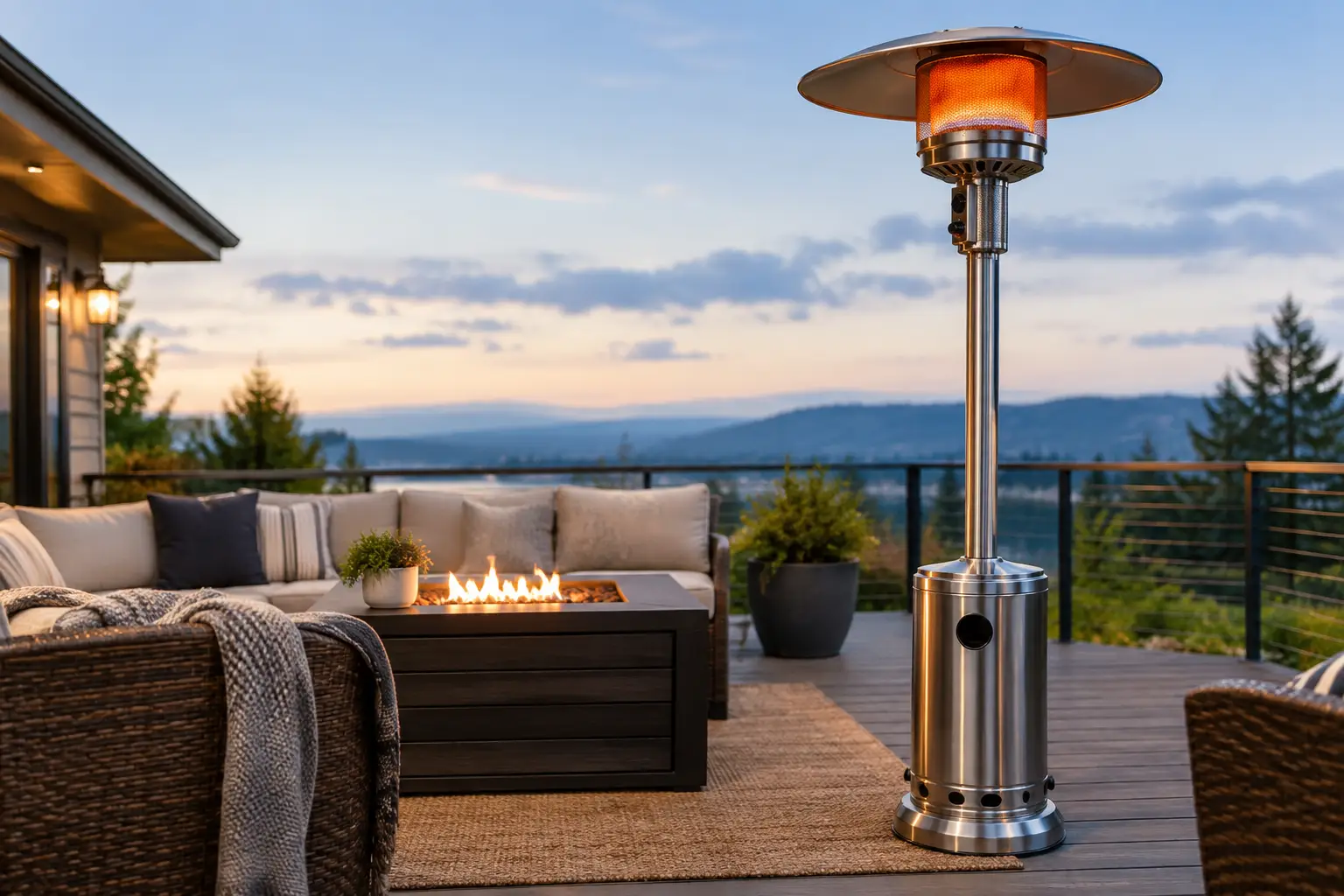
A breezy evening can make a beautifully furnished patio feel unfinished. The issue is not always a lack of heat. It is heat delivered in the wrong way. The best outdoor patio heaters for wind create direct, dependable warmth around people and seating rather than trying to warm open air that moves away moments later.
For a refined outdoor setting, the right heater should do more than raise the temperature. It should preserve the atmosphere you designed – the dinner table, the lounge chairs, the firelight, and the conversation that should not end when the wind picks up. Here is how to choose a heater that earns a permanent place on a wind-exposed deck, terrace, or backyard retreat.
What Makes a Patio Heater Work in Wind?
Wind is the enemy of convection heat. Conventional propane mushroom heaters warm the air around them, but a steady breeze can carry much of that warmth away before guests feel it. They can still perform well in a partially sheltered setting, especially when positioned close to a dining area, but their advertised heat output does not tell the entire story.
Radiant infrared heat is usually the stronger choice for exposed patios. Instead of primarily heating the air, an infrared element sends warmth directly toward people, furniture, and nearby surfaces. Think of the feeling of sunlight on a cool day. The air may still be crisp, yet the warmth is immediately noticeable where the rays land.
A heater’s placement and coverage pattern matter just as much as its fuel source. A powerful unit aimed at an empty walkway offers little comfort. A smaller, directional heater mounted above a sectional can make the same space feel remarkably more inviting.
1. Wall-Mounted Electric Infrared Heaters
For patios with regular wind, wall-mounted infrared heaters are often the most polished solution. Installed under a covered patio roof, pergola beam, or exterior wall, they send focused radiant warmth down toward the seating area. Because they are elevated, there is no base competing with outdoor furniture and no propane tank interrupting a clean, design-forward layout.
Look for weather-rated electric models with adjustable heat settings and a remote control. Higher-wattage units generally provide more meaningful warmth, although the correct size depends on the heater’s mounting height, the patio’s exposure, and how concentrated the seating arrangement is. A covered 10-by-12-foot lounge zone may need only one well-positioned heater, while a broad open terrace may benefit from two units aimed inward.
The trade-off is installation. Many high-output models require a dedicated 240-volt circuit and should be installed by a qualified electrician. That upfront planning pays off in a discreet, high-end finish and effortless operation for seasons to come.
Best for: Covered patios and pergolas
This is the best choice when you want warmth without visual clutter. It suits homeowners creating an all-season outdoor dining room or an elevated entertainment space where every detail matters.
2. Ceiling-Mounted Infrared Heaters
Ceiling-mounted infrared heaters offer many of the same wind-resistant benefits with an even more integrated appearance. These units work particularly well beneath a solid patio cover, pavilion, or gazebo. They direct heat over a dining table or central lounge area while keeping walls, floor space, and sightlines clear.
Choose a model with a broad, even heat pattern if it will serve a table where guests sit across several seats. For deeper conversation areas, two narrower units can be more effective than one oversized heater because they allow you to direct warmth precisely where it is needed.
This option is less suitable for an open pergola with widely spaced slats or no roof at all. The heater itself may be outdoor-rated, but the warmth will feel more consistent when there is at least some overhead structure helping define the zone.
3. Commercial-Style Propane Heaters With Reflectors
Freestanding propane patio heaters remain a classic for good reason. They are portable, visually familiar, and capable of producing substantial heat without electrical work. For windier patios, skip lightweight entry-level designs and favor commercial-style units with a stable weighted base, a high BTU rating, and a wide reflector that pushes heat downward.
A traditional mushroom-style heater is most effective when guests can sit within its immediate circle of warmth. Position it close to the edge of a dining or seating group, rather than in the center of a large open patio. This keeps people in the most comfortable part of the heat field while leaving space for serving and movement.
Wind guards and a wind-resistant burner can improve reliability, but no freestanding propane heater is immune to strong gusts. Secure the unit properly, follow the manufacturer’s clearance requirements, and move it indoors or into protected storage during severe weather.
Best for: Flexible layouts and occasional entertaining
Choose this style if your patio arrangement changes often, if you rent, or if you want to add warmth without a permanent installation. It is also an elegant companion to larger gatherings, where one or two units can extend comfort beyond the primary heated zone.
4. Pyramid Propane Heaters for Visual Impact
A pyramid heater is as much a design feature as a heat source. The visible flame behind glass creates a striking focal point beside modern outdoor seating, and its tall silhouette can give a patio the feel of an upscale restaurant terrace.
However, looks should not override performance expectations. Pyramid heaters tend to create a more localized feeling of warmth than the strongest infrared systems. In moderate wind, they work best when placed near chairs, not several feet away across an open expanse. Their value is highest when ambiance is part of the purchase decision and the patio has some protection from prevailing winds.
Consider one as an accent heater alongside a wall-mounted infrared unit. The infrared heater handles the practical work, while the pyramid flame provides the glow that makes an evening outdoors feel special.
5. Portable Electric Infrared Heaters
A portable electric infrared heater is a smart answer for smaller balconies, apartment patios, and compact covered decks. It offers immediate heat without managing fuel tanks and is typically quieter and easier to store than propane. Models with a weighted base and tip-over protection are particularly useful where wind can move lighter furnishings or accessories.
The key limitation is electrical capacity. Many plug-in models run on a standard 120-volt outlet and are designed for personal or small-group warmth, not an entire backyard. Treat them as a comfort layer beside a bistro set, reading chair, or intimate outdoor dining table.
Keep cords routed safely, use only outdoor-rated connections where required, and avoid relying on an extension cord unless the manufacturer specifically permits it. Premium outdoor living should feel effortless, never improvised.
Best for: Small spaces and targeted comfort
For renters and homeowners alike, this is the easy, low-commitment choice. It is particularly appealing when you need warmth where you sit, rather than heat across a large entertaining footprint.
6. Natural Gas Patio Heaters for Permanent Outdoor Rooms
If you are designing a true outdoor room, natural gas can be the most convenient long-term fuel choice. Fixed natural gas heaters provide continuous operation without propane-tank changes, making them ideal for homes that host frequently through fall and winter.
A natural gas line must be professionally installed, and the heater’s location deserves careful planning. Once in place, though, a fixed unit feels considered and permanent. Pair it with a covered dining area, outdoor kitchen, or structured lounge zone where guests naturally gather.
For wind performance, favor a model with a directional reflector or combine the heater with thoughtful architectural shelter. Privacy screens, side walls, dense landscaping, and the solid wall of the home can all reduce wind without making the patio feel enclosed.
How to Position a Patio Heater for Better Results
Even the finest heater cannot overcome poor placement. Start by noticing the direction of prevailing wind on the evenings you actually use your patio. Place seating against the more protected side of the space, then position a heater so radiant warmth reaches guests from above, beside, or slightly in front of them.
Avoid placing a freestanding heater at the outer edge of the patio where gusts hit it first. Move it inward, closer to the social zone, while maintaining every required safety clearance from furniture, umbrellas, ceilings, and walls. For larger patios, create one intentionally warm destination rather than attempting to heat every square foot.
Materials can help, too. An outdoor rug, upholstered seating, curtains rated for outdoor use, and a pergola or privacy screen make the area feel warmer by reducing drafts and improving the sense of enclosure. These details also bring the layered comfort of an interior room outdoors.
The Best Choice Depends on Your Patio
The best outdoor patio heaters for wind are usually infrared models mounted where they can aim directly at people. They offer the most dependable comfort in exposed conditions and blend beautifully into a carefully designed space. A premium propane heater remains a compelling alternative when flexibility and visual presence matter more than permanent installation.
Before choosing, measure the seating zone rather than the entire yard, check available power or gas access, and be realistic about the level of wind your patio receives. The goal is not to battle winter across an open landscape. It is to create one warm, beautifully appointed place where guests want to stay a little longer.










Leave a comment