
10–12 Inch Rule for Homeowners Choosing Patio Dining Chairs
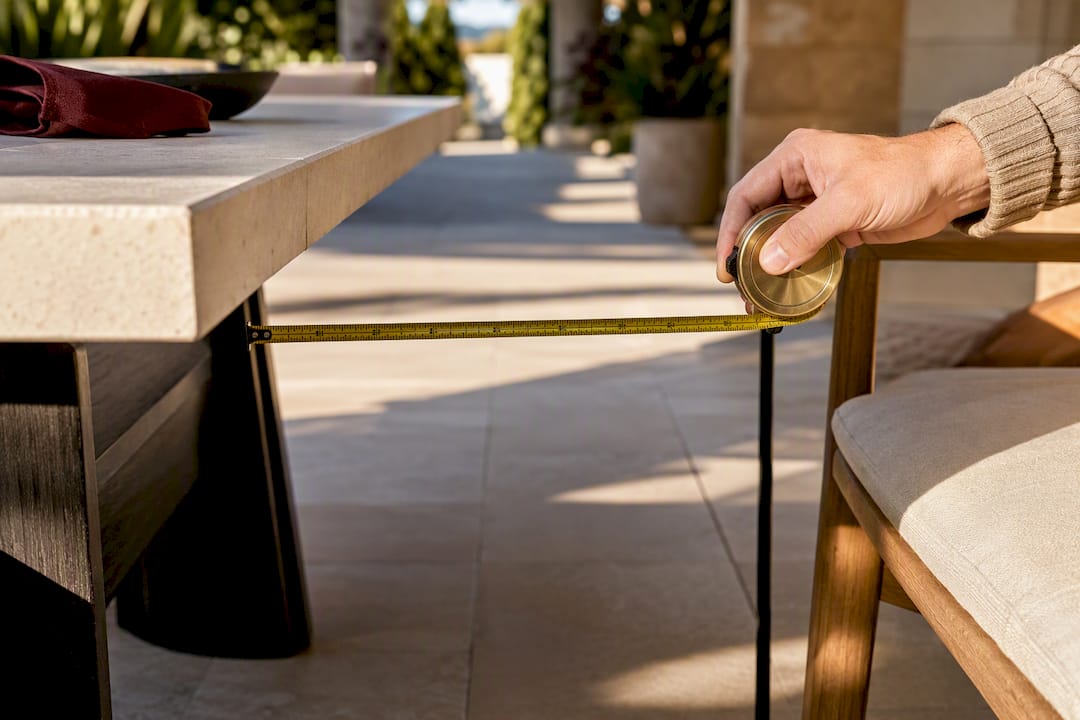
For most homeowners, the smartest way to choose patio dining chairs is a powder-coated aluminum or high-quality resin frame paired with solution-dyed cushions and quick-dry foam. Coastal properties should upgrade to marine-grade aluminum or coastal-rated resin wicker with stainless hardware. Sun-heavy patios do best with lighter colors and UV-stable fabrics, while humid climates need cushions that drain fast. Whatever you pick, measure seat height against your table and leave 10 to 12 inches of clearance underneath.
TL;DR:
- Choose patio chairs with powder-coated or marine-grade aluminum and solution-dyed cushions to ensure durability against sun and moisture exposure.
- Proper sizing requires a seat height of 17 to 20 inches and 10 to 12 inches of clearance from the tabletop for comfortable seating and movement.
- Measure your patio space beforehand and consider stacking capacity and weight if you need chairs that store easily during off-seasons.
- Coastal and humid climates demand corrosion-resistant materials like marine-grade aluminum or HDPE resin with fast-drying cushions for longevity.
- Prioritize materials and construction quality over appearance to prevent early damage from fading, mold, or chipping, especially in challenging climates.
Table of Contents
- What Should You Check Before You Buy Patio Dining Chairs?
- Materials and Frame Choices: What Each One Actually Delivers
- Cushions and Fabrics: What Actually Prevents Fading and Mildew
- How Do You Size Patio Chairs Correctly?
- Which Chair Materials Fit Your Climate?
- How Do You Maintain Patio Dining Chairs Over Time?
- What Patio Chair Styles Are Trending in 2026?
- Why Trust This Guide on Choosing Patio Dining Chairs?
- An Editorial Take on What Actually Matters Most
- Curated Patio Dining Chairs From Mytotaltake
- Sources
- FAQ
What Should You Check Before You Buy Patio Dining Chairs?
Walking into a showroom or scrolling a product page without a plan is how people end up with six beautiful chairs that do not fit their table, their storage shed, or their weather. A short checklist keeps you from making an expensive guess.
1. Define how you actually use your patio. A couple who eats breakfast outside twice a week has different needs than a family that hosts twelve people every Sunday. Formal entertaining calls for a more polished profile, coordinated finishes, and probably armchairs at the head of the table. Casual, frequent use rewards chairs that are easy to wipe down and stack when the weather turns.
2. Measure your footprint before you fall in love with a style. Pull out a tape measure and mark your patio’s usable dining zone, not just the space where the table currently sits. Add up how many chairs will physically fit with room to pull out and push in, then compare that to your seating needs. If storage is tight over winter, note which chairs stack and how much they weigh empty, since a heavy stacking chair can be just as awkward as one that does not stack at all.
3. Rank durability, cushion performance, and maintenance appetite in that order. Materials come first because a frame that corrodes or splits ends the conversation regardless of how the cushion performs. Cushion quality comes next: solution-dyed fabric and quick-dry foam determine whether your seats look presentable in July or turn moldy by August. Maintenance appetite is the honest third question. If you are not going to oil teak every season, do not buy teak, no matter how good it looks in photos.
4. Read the warranty and return terms before you check out. Outer’s 595 dining armchair, for example, is sold with a multi-year frame warranty and a published weight capacity, which gives you something concrete to compare against competing listings. A retailer confident enough to publish a real warranty and load rating is telling you something about how the frame was engineered, not just how it was marketed.
5. Confirm the return policy matches your risk. Fabric color always looks different in direct sun than it does on a screen, and a chair that feels fine in a store can feel entirely different after two hours at your own dinner table. A generous return window protects you from both problems.
Home improvement resources back up much of this sequencing. Home Depot’s patio furniture selection guide walks through measuring your space, reading your yard’s orientation and exposure, and matching set type to how you entertain, which mirrors the order above almost exactly. Wirecutter’s testing of patio dining sets across different climates reinforces the same priority: durable materials and comfort matter more than a chair’s looks on day one.
Pro Tip: Take a photo of your patio at the time of day you actually eat outside most, then check it against the chair’s listed color. Afternoon shade reads cooler than the noon sun, and a “warm taupe” cushion can look gray by 6 p.m.
Materials and Frame Choices: What Each One Actually Delivers
The frame material you pick determines almost everything else, including how much cushion damage you will tolerate, how often you will clean the chair, and how many years you get before replacing it.
- Aluminum: Lightweight enough to move solo, and rustproof for practical purposes once it carries a genuine powder coat. Marine-grade aluminum is the strongest choice for coastal exposure, since standard aluminum alloys can still pit under sustained salt air.
- Teak and other hardwoods: Among the longest-lived outdoor materials when maintained, with a warm, organic look that ages into a silvery patina if left untreated or stays golden with regular oiling. The tradeoff is real upkeep: teak needs periodic oiling or refinishing to hold its color, and skipping that step for a few seasons is the most common regret teak owners report.
- Steel and wrought iron: Heavy, stable, and hard to tip in wind, which makes it a strong choice for sheltered patios and covered porches. Without a proper factory coating, exposed steel rusts faster than aluminum, so it performs best where it is not taking direct rain or salt spray.
- Resin and HDPE, including synthetic wicker: The lowest maintenance option on this list. High-density polyethylene resists UV fading, shrugs off humidity, and never needs oiling, sealing, or repainting, which is why it dominates coastal and rainy-region patios.
Beyond the base material, the details you cannot see in a photo often decide how long a chair actually lasts. Stainless steel fasteners resist the corrosion that plated screws eventually succumb to, especially near salt air. Powder-coat thickness matters more than powder-coat color; a thin, cheap coat chips and exposes bare aluminum within a season or two, while a properly applied coat resists chips and UV breakdown for years. Product listings for coastal-rated wicker chairs commonly call out stainless fasteners and marine-grade aluminum frames specifically because that combination is what survives salt exposure without pitting or seizing.
One material trend worth understanding before you shop: heat-transfer wood-grain finishes on aluminum frames. Manufacturers apply a printed or sublimated wood texture directly onto powder-coated aluminum, giving you the visual warmth of teak with none of the oiling schedule. Outer’s dining chair line uses this approach, and it has become one of the more convincing aluminum finishes on the market because the grain pattern holds up to sun exposure in a way that painted wood tones used to fail at within a year or two.
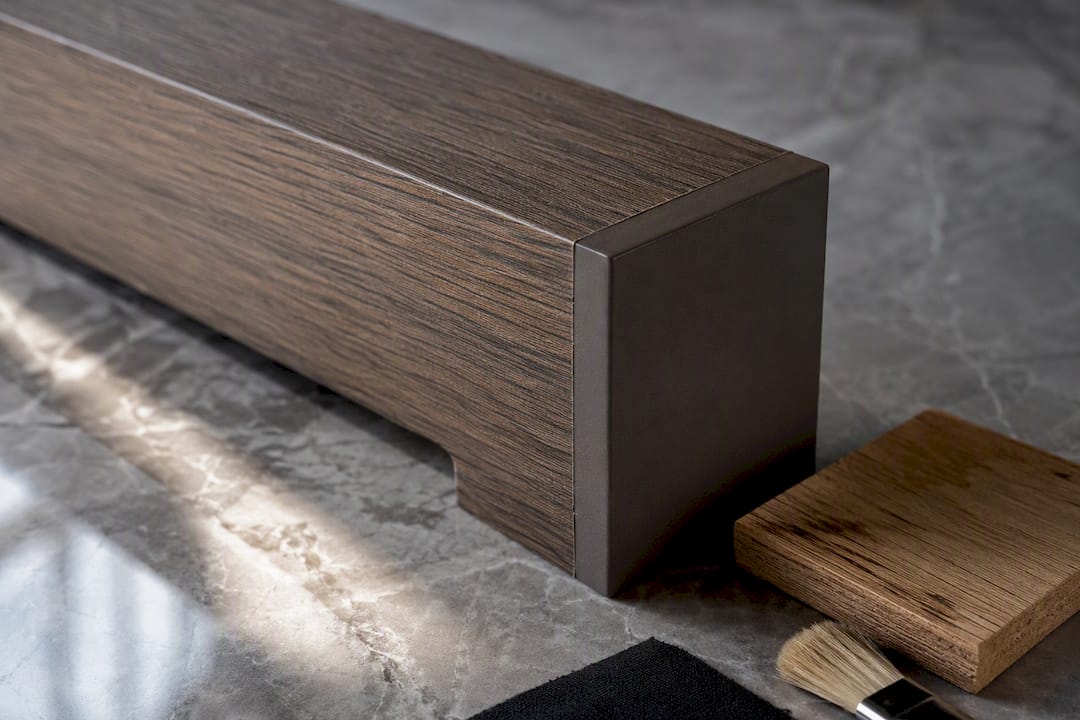
If you are choosing between two materials that look similar in photos but differ in construction, MyTotalTake’s guide to patio furniture that lasts breaks down how frame and finish quality translate into real-world durability over multiple seasons.
Cushions and Fabrics: What Actually Prevents Fading and Mildew
Cushion fabric fails long before most frames do, which makes it the part of the chair most worth researching before you buy.
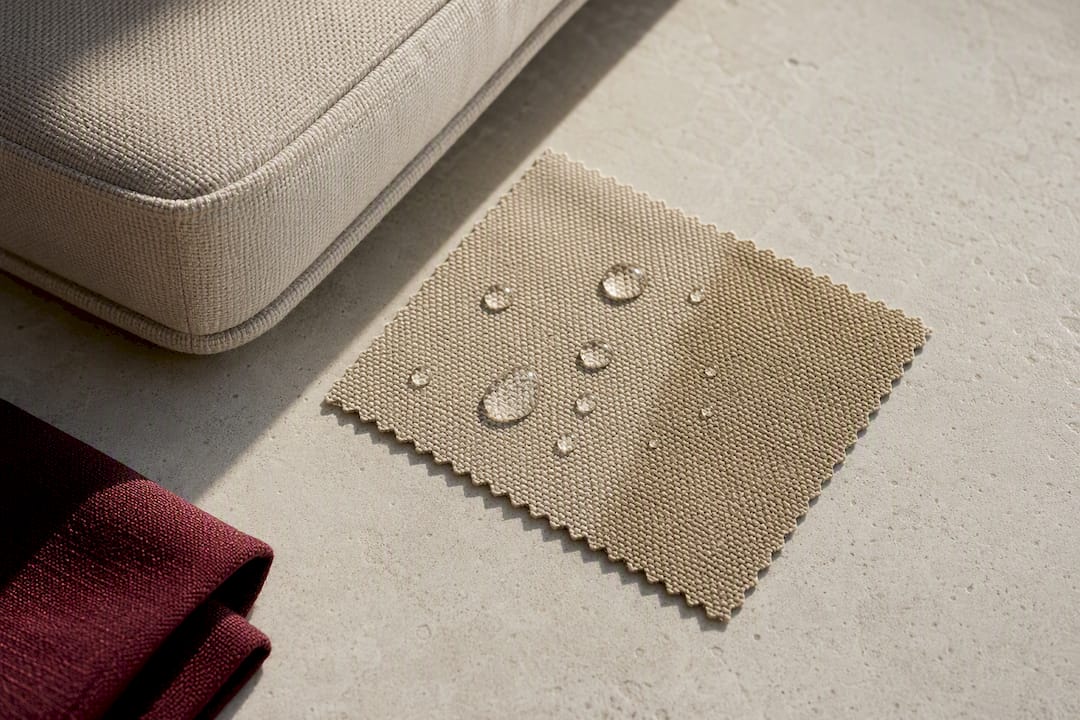
Solution-dyed acrylic or polyester is the standard to look for. In solution-dyed fabric, color pigment gets mixed into the fiber before it is spun into thread, rather than printed or painted onto the finished surface afterward. That means the color runs all the way through the fiber, so sun exposure fades it evenly and slowly instead of stripping a surface layer and leaving a blotchy, faded pattern within a single summer. Printed or painted outdoor fabrics almost always fade faster and less evenly, even when the initial pattern looks identical on the showroom floor.
Quick-dry, open-cell foam is the second detail that separates comfortable cushions from moldy ones. Open-cell foam construction lets water pass through and drain rather than pool inside the cushion, which is exactly what a rain shower or a sprinkler system tests every week. Cheap closed-cell or standard upholstery foam traps water inside, and a trapped, damp cushion is a mildew problem waiting to happen, especially in humid regions where the foam never fully dries between rains.
- Look for removable, machine-washable covers so you can clean mildew spots before they set into the fabric.
- Check for drain channels or a perforated cushion base, since raised drainage keeps standing water from collecting under the cushion.
- Note the fabric’s stated weight and UV rating; heavier, UV-rated outdoor fabrics tend to resist pilling and fading longer than lightweight decorative fabrics repurposed for outdoor use.
- Read the care symbols before buying, not after a stain sets, since some solution-dyed fabrics still specify air-dry only.
Pro Tip: Press a finger into any cushion before buying it in person. If it feels dense and springs back slowly, it is more likely open-cell foam built to drain. Foam that feels spongy and rebounds instantly is often the cheaper, water-retaining kind.
For a deeper walk-through on extending cushion life once you own them, MyTotalTake’s cushion care guide covers fabric-first maintenance that can add years to a set you already love.
How Do You Size Patio Chairs Correctly?
Getting the dimensions wrong is the most common and most fixable mistake in patio chair shopping, and it takes about five minutes with a tape measure to avoid entirely.
- Check seat height first. Dining chair seats should sit 17 to 20 inches off the ground to work comfortably with standard 28 to 32 inch dining tables.
- Confirm table clearance next. Leave 10 to 12 inches between the top of the seat cushion and the underside of the tabletop, which gives knees room to clear the table edge without banging into it every time someone sits down.
- Budget roughly 24 inches of width per seated person around the table so elbows do not collide during a meal and chairs can slide back without hitting the neighbor’s chair.
- Decide armchairs versus armless by seating count, not just style. Armchairs add real comfort, particularly for older guests who use the arms to push up from the table, but they take up more width per seat. Armless chairs let you fit one or two extra people around the same table, which matters if you host larger groups regularly.
- Verify stacking dimensions and stated stacking weight limits before buying a set meant for storage. A chair that stacks four high on paper can behave very differently once cushions or arms are added, so check the manufacturer’s actual stacking spec rather than assuming.
Armchairs at the head of the table and armless chairs along the sides is a common compromise: you keep the comfort upgrade where it matters most and the space efficiency everywhere else.
Which Chair Materials Fit Your Climate?
Matching material to exposure is where a good-looking chair either becomes a five-year investment or a two-season disappointment.
- Sunny, dry climates: Choose lighter-colored frames and cushions, since darker finishes absorb more heat and can make a metal seat genuinely uncomfortable to touch by midafternoon. Home improvement guidance on this point is consistent: light colors and UV-stable, UV-rated fabrics hold their look far longer under constant direct sun than darker, standard-grade textiles.
- Coastal properties: Prioritize marine-grade aluminum or coastal-rated resin wicker, both of which resist the pitting and corrosion that salt air causes in standard-grade metal. Stainless steel hardware throughout the frame, not just on visible joints, is worth confirming before you buy anything meant to sit within a few miles of open water.
- Humid or rainy regions: Lean toward HDPE or resin frames paired with quick-dry cushions, and check that the chair’s feet are elevated slightly off the ground rather than flush against the patio surface. Standing water under a chair leg is a slow path to staining and mildew, even on materials that otherwise handle moisture well.
- Windy areas: Look for a heavier base or a wider stance, since lightweight stacking chairs are the first thing to tip or blow across a deck in a strong gust. Some manufacturers offer anchoring kits or weighted inserts for exposed decks and rooftop patios, which is worth asking about if your space regularly deals with wind off open water or elevated terrain.
If your region combines more than one of these conditions, which is common along much of the coastline, prioritize the most damaging exposure first. Salt air degrades untreated metal faster than sun degrades fabric, so a coastal, sunny patio should shop coastal-rated materials first and treat sun protection as the second filter.
How Do You Maintain Patio Dining Chairs Over Time?
Every material on this list can last for years, but only if the care routine matches the material rather than getting skipped entirely.
- Aluminum and resin frames: A rinse with a garden hose and a wipe with mild soap and water every few weeks keeps pollen and grime from building up in joints. Inspect powder-coated surfaces once a season for chips, and touch up bare spots with a matching powder-coat pen before rust or UV exposure can spread from that exposed edge.
- Teak: Plan on oiling teak once or twice a year if you want to preserve its honey color, using a teak-specific oil rather than a generic wood conditioner. Skip the oiling entirely if you prefer the weathered silver-gray patina teak naturally develops, since that finish is stable and requires no upkeep beyond an occasional scrub.
- Steel and wrought iron: Check for surface rust at least twice a year, especially around welds and joints where coating tends to wear thin first. A wire brush and touch-up paint handle small spots before they spread; larger rust patches usually mean it is time to consider replacement.
- Cushions: Remove covers and machine wash on a gentle cycle where labels allow, and always let cushions air-dry completely before storing them. A mild bleach and water solution lifts most mildew stains from solution-dyed fabric without damaging the color, since the dye runs through the fiber rather than sitting on the surface.
- Winter or extended wet-season storage: Stack and cover chairs, or move them into a dry storage space if you have one, since even weather-resistant materials last longer with reduced exposure during months you are not using the patio anyway.
Pro Tip: Keep a small bottle of matching powder-coat touch-up paint and a spare set of stainless screws in a drawer near your patio door. Most frame damage starts as one small chip or one seized screw, and catching it early is far cheaper than replacing the chair two years later.
For readers weighing a full outdoor seating refresh rather than a single fix, MyTotalTake’s lounge set buying guide and its storage box roundup cover the maintenance side of that decision in more depth.
What Patio Chair Styles Are Trending in 2026?
The dominant look for 2026 is the indoor-outdoor aesthetic: furniture that could believably sit in a dining room but is built to survive a deck. Wood-grain aluminum and premium resin wicker that mimics tightly woven natural fiber are the two materials driving that trend, since both deliver a warm, organic texture without the upkeep that real wood or natural rattan demands. Designers favor these finishes specifically because they cut maintenance while keeping the visual warmth that an all-metal or all-plastic chair often lacks.
- Keep metal finishes consistent across your set; mixing a matte black frame with a brushed aluminum one nearby usually looks unintentional rather than eclectic.
- Pair a wood-grain aluminum chair with a stone, concrete, or wood-look table so the materials read as one coordinated palette instead of competing textures.
- On small patios, choose lighter frame colors and slimmer profiles to keep the space feeling open, since bulky armchairs can visually crowd a tight footprint fast.
- On larger terraces, richer tones and a mix of armchairs and armless chairs read as intentional rather than sparse, especially around a long dining table.
A cohesive indoor-outdoor look also depends on how your chairs relate to nearby doors, railings, and other structural finishes. Resources like One Day Doors & Closets’ design trend roundup are a useful reference point for matching patio furniture tones to adjoining interior finishes, since the same warm-neutral palette driving 2026 door and cabinetry trends is showing up in outdoor furniture too. For curated examples of how this plays out in an actual outdoor room, MyTotalTake’s modern patio furniture picks show the wood-grain-aluminum-plus-resin-wicker pairing in practice.
Why Trust This Guide on Choosing Patio Dining Chairs?
Mytotaltake curates outdoor furniture the same way it curates every category it sells: by filtering for craftsmanship, honest materials, and construction details that hold up under real use, not just in a product photo. The recommendations throughout this guide, from seat height math to fastener quality, come from the same climate-first, ergonomics-first approach that shapes which outdoor pieces earn a spot in Mytotaltake’s collections.
That approach means favoring published warranties and load ratings over vague marketing language, prioritizing solution-dyed fabric and quick-dry foam over cushions that only look good in a showroom, and treating maintenance honesty as part of the buying decision rather than an afterthought. Fast delivery and free returns back that up in practice, since a chair that does not fit your table or match your patio’s light should be easy to send back, not a permanent commitment.
Readers looking for more depth on adjacent categories can explore Mytotaltake’s guidance on long-lasting patio furniture and cushion care for the maintenance side of the same decision.
An Editorial Take on What Actually Matters Most
Most patio furniture advice treats style and material as separate decisions, style first, durability as an afterthought. That order is backwards. The chairs that photograph best in June are frequently the same ones sending you back to the store by August, because printed fabric faded, closed-cell foam went moldy, or a thin powder coat started chipping at the first joint under stress.
The research behind this guide points to a simpler priority: material and cushion construction should be decided before color and shape ever enter the conversation. Once you have locked in a frame rated for your actual exposure and a cushion built to drain rather than trap water, the aesthetic choices, wood-grain aluminum, resin wicker, arm styles, become genuinely low risk. That is also why the indoor-outdoor trend for 2026 works so well: it lets homeowners get a warm, furnished look without sacrificing the climate-appropriate construction that determines whether a chair survives three summers or ten.
If you take away one number from this guide, make it the 10 to 12 inch clearance rule. It is the cheapest mistake to avoid and the one most people never check until they are already uncomfortable at their own table.
— Lysander
Curated Patio Dining Chairs From Mytotaltake
If everything above sounds right but you would rather skip the trial-and-error of comparing frame coatings and foam types across a dozen retailers, Mytotaltake curates outdoor dining chairs that already meet the standards this guide covers: marine-grade and powder-coated aluminum, solution-dyed cushions, and finishes built for the indoor-outdoor look defined for 2026.

Every piece ships with fast delivery and free returns, so if a color reads differently on your patio than it did online, sending it back costs you nothing but a little time. For a closer look at what separates a chair that earns its price from one that just looks the part, read Tips for Choosing Upscale Products That Last, then browse the current outdoor dining collection to see which frame and cushion combination fits your climate best.
Sources
For the ergonomic numbers in this guide, Lumens’ seating height guide sets the standard for dining chair height and table clearance. Wirecutter’s patio furniture coverage informed the durability and climate-testing priorities throughout. Home Depot’s patio furniture selection video shaped the measurement and orientation advice, and Outer’s product listing illustrated how warranties and finish specs signal real construction quality.
- How to choose seating height | Lumens
- The Best Patio Dining Sets | Wirecutter (NYT)
- Best Patio Furniture for Your Yard – Lawn and Garden (Home Depot video)
FAQ
What are the best patio dining chairs?
The best patio dining chairs pair a rustproof frame, powder-coated aluminum, marine-grade aluminum, or high-quality resin, with solution-dyed cushions and quick-dry foam, since that combination handles sun, moisture, and daily wear better than mixed or unrated materials.
How do you choose outdoor dining chairs?
Start by measuring your seat height (17 to 20 inches) and table clearance (10 to 12 inches), then match frame material to your climate exposure and check the cushion fabric’s UV rating and drainage before comparing style or price.
What are the patio furniture trends for 2026?
The dominant 2026 trend is an indoor-outdoor aesthetic built around wood-grain aluminum and premium resin wicker, materials that mimic natural wood or woven texture while keeping maintenance closer to metal or resin than to real teak or rattan.
Who has the best selection of patio furniture?
Selection quality depends on curation as much as size. Mytotaltake curates outdoor dining chairs specifically for durable materials, climate-appropriate cushions, and current indoor-outdoor styling, backed by fast delivery and free returns if a piece does not fit your space.
Do armchairs or armless chairs work better for patio dining?
Armchairs offer more comfort, especially for guests who need help standing, but they take up more space per seat. Armless chairs fit more people around the same table, which makes them the better choice for frequent, larger gatherings.








Leave a comment