
Modern Bathroom Vanity Ideas That Feel Custom
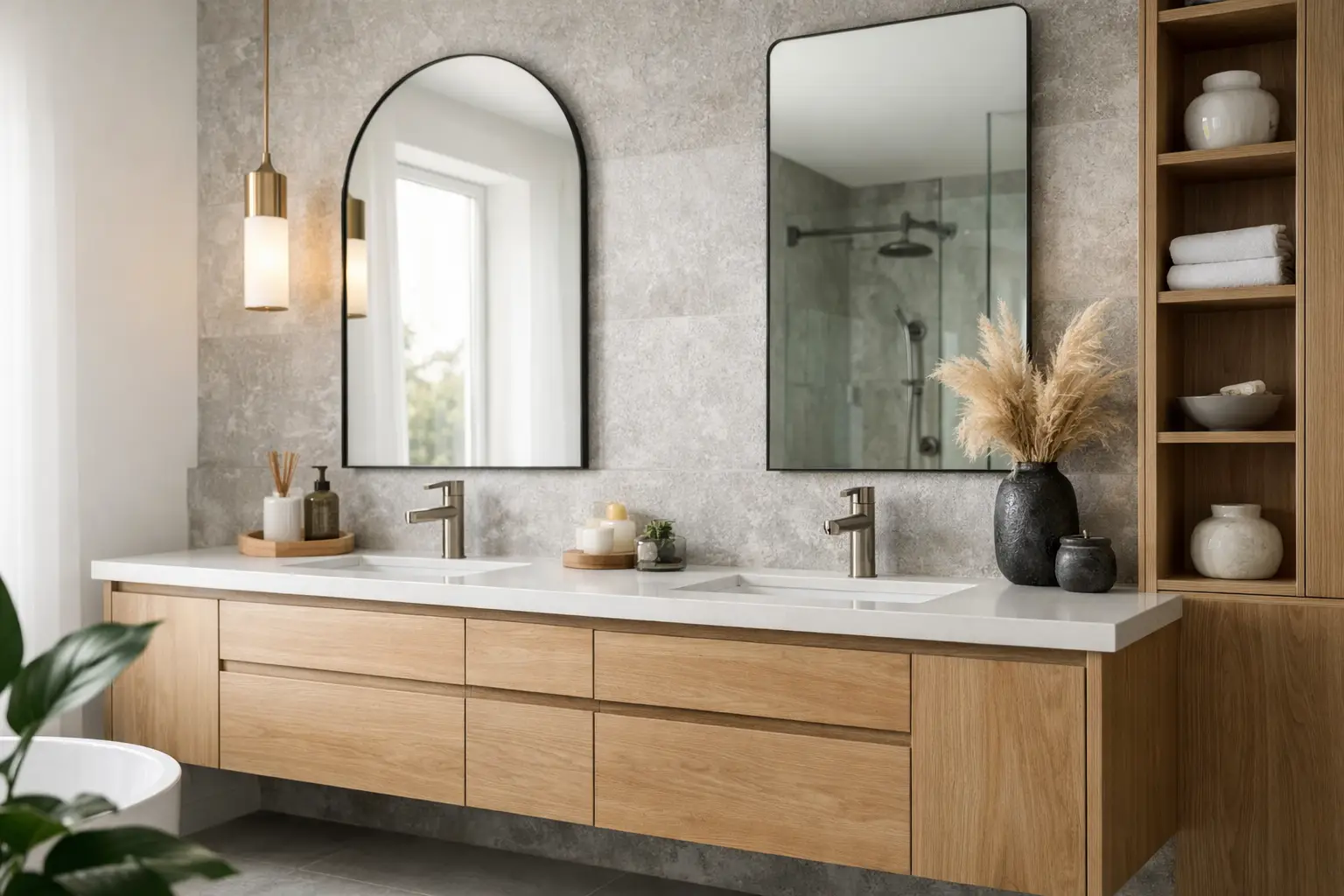
A bathroom can have beautiful tile, warm lighting, and refined hardware, yet still feel unfinished if the vanity is an afterthought. This one piece sets the visual center of the room while handling the least glamorous daily demands: crowded countertops, damp towels, skincare bottles, and rushed mornings. The right modern bathroom vanity turns that pressure point into a composed, highly functional feature.
For a compact powder room, it may be a sculptural floating cabinet that creates a sense of openness. In a primary bath, it can become a generous double-sink anchor with room for every routine. The most elevated choice is rarely the largest or most elaborate. It is the vanity that fits the room’s proportions, supports how you live, and gives the entire space a deliberate finish.
Start With the Room, Not the Finish
It is easy to begin with a favorite color or a striking fluted front, but measurements deserve the first decision. A vanity should make the room feel more generous, not create an obstacle course around the door, shower, or toilet. Measure the wall width, floor depth, door swing, and clearance needed to open drawers comfortably.
Depth is especially influential. Standard vanities often project around 18 to 22 inches from the wall, which works well in most full baths. A shallower profile can be the better choice in a narrow guest bath or city apartment, preserving valuable walking space without sacrificing a polished look. In a larger room, a deeper cabinet can offer the generous countertop and storage capacity that makes a daily routine feel unhurried.
Sink placement matters just as much. A centered sink creates symmetry and works beautifully when the vanity is the room’s focal point. An offset sink leaves a longer uninterrupted stretch of counter, a smart solution for those who keep a few essentials within reach. For shared bathrooms, double sinks provide breathing room, though only when the vanity is wide enough to avoid making each basin feel cramped. A double vanity typically feels most comfortable at 60 inches or wider.
Choose a Modern Bathroom Vanity Style With Purpose
Modern design is not a single look. It is a family of approaches connected by clean proportions, intentional materials, and restrained detail. The best style depends on the atmosphere you want to create and the amount of visual weight the room can hold.
Floating vanities bring lightness
Wall-mounted vanities leave the floor visible beneath the cabinet, which makes a smaller bathroom feel more open and architectural. Their crisp horizontal line pairs naturally with large-format tile, backlit mirrors, and minimal fixtures. They also make floor cleaning simpler.
The trade-off is installation. A floating vanity needs secure wall blocking and professional attention to support the cabinet, sink, and countertop. Storage can be slightly more limited than with a full-height base, although well-designed drawers often make better use of space than a traditional cabinet with a single open interior.
Freestanding designs add presence
A freestanding vanity offers a more furniture-inspired statement. Slim legs, a framed silhouette, or a warm wood finish can soften a bathroom dominated by stone and porcelain. It is an excellent choice when you want a modern setting to feel collected rather than clinical.
This style can also be more forgiving during installation, particularly in rooms where wall conditions are uncertain. Keep an eye on the base detail, however. Open space under the vanity may look elegant, but it also exposes dust and requires a clean flooring finish beneath it.
Natural wood creates warmth
Walnut, oak, and ash tones bring texture to streamlined bathrooms. A wood-grain vanity is especially compelling beside matte black fixtures, ivory tile, or pale stone, where it prevents the room from feeling too stark. Look for finishes designed to withstand bathroom humidity, along with quality edge treatment and durable cabinet construction.
Wood does not need to mean rustic. Flat-panel fronts, vertical slats, and understated pulls give natural materials a distinctly contemporary character. If you prefer a quieter palette, a light oak vanity can feel airy and spa-like; darker walnut delivers more contrast and a richer, tailored mood.
Lacquered finishes sharpen the palette
White, charcoal, black, and muted greige vanities offer a more tailored appearance. A matte finish feels current and refined, while a subtle satin sheen can reflect light without looking overly glossy. Dark cabinetry can create an exceptional focal point, but it benefits from balanced lighting and lighter surrounding surfaces, particularly in a small bathroom.
Storage Is What Makes Luxury Feel Effortless
A vanity may look exquisite in a product image, but its real value appears on an ordinary weekday morning. Consider what needs a home: electric toothbrushes, hair tools, makeup, extra soap, cleaning supplies, and the small collection of items that otherwise gathers around the sink.
Deep drawers are often more practical than large doors because they bring contents forward rather than sending you searching into a dark cabinet. Divided organizers keep smaller essentials from shifting around, while a built-in outlet or heat-resistant compartment can make hair-tool storage more convenient. Soft-close slides and hinges are subtle details, yet they contribute to the quiet, high-end experience people notice every day.
Do not assume more storage is always better. In a minimal powder room, a slim vanity with one thoughtful drawer can look far more elevated than an oversized cabinet. In a busy family bathroom, capacity is worth prioritizing. The aim is not to fill every inch with cabinetry. It is to give daily clutter a place to disappear.
Select Materials That Can Handle Real Life
Bathrooms ask more of furniture than most rooms do. Steam, splashes, changing temperatures, and repeated cleaning all test the cabinet, countertop, and hardware. A premium look should be supported by materials that are prepared for that environment.
For cabinetry, moisture-resistant engineered wood and well-sealed solid wood are both strong options. The difference often comes down to construction quality, sealed edges, and the durability of the finish. Avoid treating any vanity as indestructible: even quality materials benefit from wiping standing water promptly and maintaining good ventilation.
Countertops set both the style and maintenance level. Quartz offers a consistent appearance and practical resistance to staining, making it a compelling choice for high-use bathrooms. Natural marble delivers unmistakable character, with veining that makes each surface feel individual, but it requires more care and can etch from acidic products. Porcelain and sintered stone offer a sophisticated, durable alternative for those drawn to a stone-like finish with lower maintenance demands.
Ceramic undermount sinks create a clean, integrated look and make countertop cleanup straightforward. Vessel sinks can be more sculptural and expressive, though they raise the basin height and may require a wall-mounted or taller faucet. That dramatic profile is worth considering when the bathroom is more of a guest-facing statement space than a high-traffic family workhorse.
Let the Finish Work With the Whole Bathroom
A modern vanity does not have to match every surrounding surface. In fact, some contrast gives the room dimension. A charcoal cabinet against pale limestone-look tile can feel dramatic and composed. Light oak paired with white walls and brushed nickel fixtures creates a relaxed, tailored retreat. The key is repeating one or two elements, such as a warm metal tone or a natural wood accent, so the mix feels intentional.
Hardware deserves careful attention. Integrated pulls preserve a minimalist silhouette, while slim bar pulls offer a touch more definition. Brushed brass can add warmth, matte black supplies graphic contrast, and polished chrome gives a brighter, more classic modern finish. If the vanity is already detailed with fluting or a strong wood grain, simpler hardware usually lets the craftsmanship take the lead.
Lighting completes the effect. A vanity with a beautiful finish can still look flat under a single overhead fixture. Sconces at face height or an illuminated mirror provide more flattering, useful light for grooming and help reveal the cabinet’s color and texture. Choose lighting before finalizing the mirror dimensions so the entire wall reads as one composed design.
Make the Purchase Feel Considered
Before committing, confirm the plumbing layout, faucet compatibility, countertop configuration, and assembly requirements. A pre-drilled top can simplify selection, while a vanity without faucet holes gives more freedom for wall-mounted fixtures. Check whether the listed width includes the countertop overhang, too, since even a small difference can affect a tight installation.
It is also worth choosing a design you will appreciate after the trend cycle changes. Strong proportions, useful storage, durable surfaces, and a finish that complements your home will outlast novelty. Curated selections from retailers such as My Total Take make it easier to focus on those qualities rather than sorting through countless look-alike options.
A well-chosen vanity does more than hold a sink. It gives everyday rituals a calmer setting, makes the room work harder, and brings the quiet confidence of thoughtful design to the first and last space you use each day.







Leave a comment