
Orthopedic Dog Bed Benefits for Joint Health and Comfort
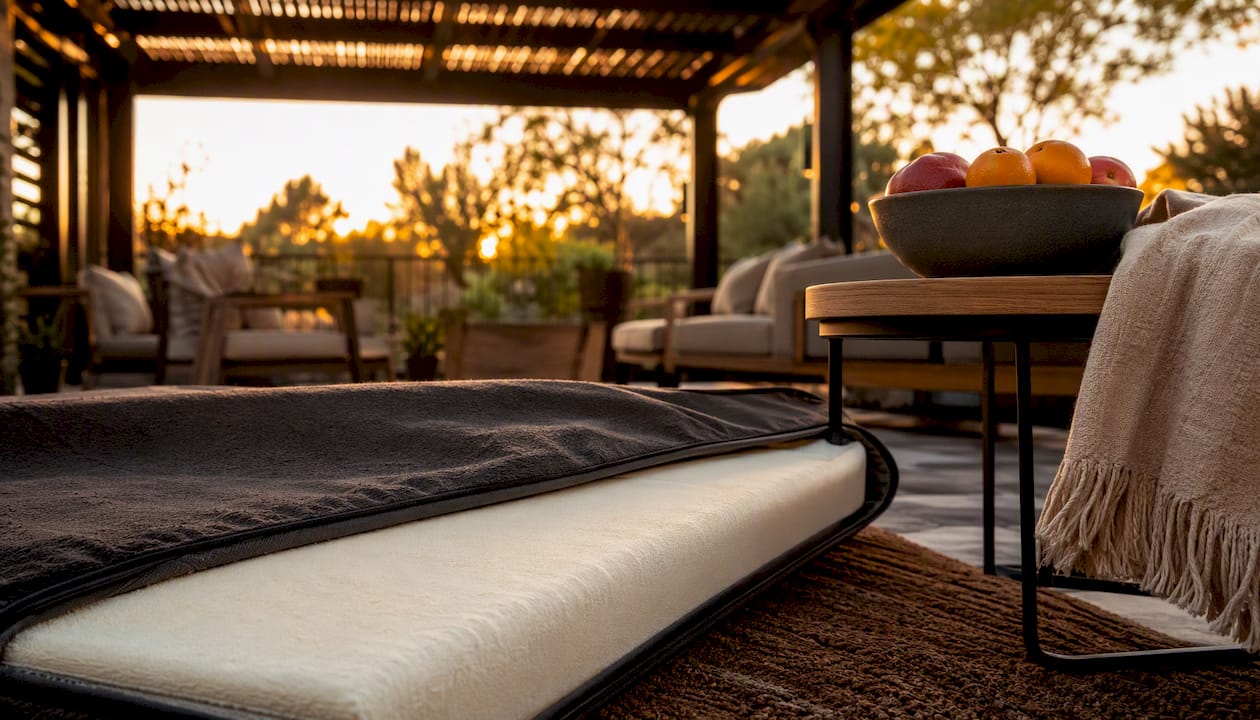
Yes, an orthopedic dog bed can meaningfully reduce pressure on joints and improve daily comfort for many dogs — particularly seniors, large breeds, and dogs managing arthritis or hip dysplasia. The orthopedic dog bed benefits are most pronounced when the bed uses solid, high-density or memory foam rather than shredded or fiberfill materials, which compress quickly and stop providing real support. Think of it less as a luxury upgrade and more as a targeted comfort intervention, one that works best alongside veterinary guidance rather than in place of it.
Dogs most likely to see a genuine difference include:
- Senior dogs (7+ years): Aging joints lose cartilage and become more sensitive to hard or uneven surfaces.
- Large and giant breeds: German Shepherds, Labrador Retrievers, Great Danes, and similar dogs carry more weight per joint and are statistically more prone to hip and elbow dysplasia.
- Overweight dogs: Excess body weight amplifies pressure on hips, elbows, and shoulders during rest.
- Thin or bony dogs: Greyhounds, Whippets, and other lean breeds lack the natural padding to protect bony prominences from hard surfaces.
- Post-surgical or recovering dogs: Controlled pressure relief supports tissue healing and reduces discomfort during restricted activity.
- Working and athletic dogs: High-impact activity accelerates joint wear; quality rest between sessions matters.
One honest caveat: an orthopedic bed is a comfort tool, not a cure. Dogs with severe lameness, sudden changes in gait, or significant pain need veterinary evaluation first. The bed supports a broader care plan; it does not replace one.
Key Takeaways
Orthopedic dog beds provide meaningful joint pressure relief for senior, large-breed, and recovering dogs when built from certified high-density or memory foam with a washable cover and a manufacturer-backed no-flatten warranty.
| Point | Details |
|---|---|
| Who benefits most | Senior dogs, large/giant breeds, overweight dogs, thin breeds, and post-surgical dogs gain the most from orthopedic support. |
| Construction is everything | Solid high-density or memory foam with CertiPUR-US certification outperforms any shredded or fiberfill “orthopedic” bed. |
| Thickness matters for large dogs | Large and giant breeds need at least 5 to 7 inches of solid foam to avoid bottoming out. |
| Maintenance preserves support | Wash the outer cover weekly, spot-clean the foam core, and use a waterproof liner to extend the bed’s lifespan to 5–10 years. |
| Mytotaltake’s recommendation | For lasting value, prioritize certified foam, a genuine no-flatten warranty, and a washable cover — the criteria Mytotaltake applies across all curated premium products. |
Table of Contents
- What “orthopedic” actually means in a dog bed
- The real orthopedic dog bed benefits, explained
- Which dogs benefit most, and how to spot the signs
- Types of orthopedic beds and what the materials actually do
- How to choose the right orthopedic bed for your dog
- What research and veterinarians actually say about effectiveness
- How to care for an orthopedic bed and when to replace it
- An editorial perspective on investing in premium orthopedic beds
- Mytotaltake’s curated approach to premium pet comfort
- Sources
What “orthopedic” actually means in a dog bed
The word “orthopedic” is not regulated for pet products. Any manufacturer can print it on a label, which makes it nearly meaningless without understanding what sits underneath the cover. In the context of dog beds, a genuinely orthopedic design prioritizes three things: even weight distribution, pressure relief at bony contact points, and spinal alignment during rest.
The critical distinction is construction. A bed earns the orthopedic label through its foam density and thickness, not its marketing copy. Forbes Vetted’s testing confirms that not every product labeled “orthopedic” delivers true orthopedic support — the best designs use thick, high-density or layered foam rather than shredded or low-density fills.
Standard non-orthopedic beds typically use polyester fiberfill, shredded foam, or cotton batting. These materials feel plush initially but compress under a dog’s weight within weeks, leaving the animal resting on a thin layer of fabric over a hard floor. The support disappears precisely when the dog needs it most.
Genuinely supportive materials include:
- Solid memory foam: Conforms to the dog’s body shape, distributes weight across the contact surface, and slowly returns to its original form. Best for pressure relief.
- High-density support foam: Firmer than memory foam, resists compression under heavier dogs, and maintains its structure over years of use. Often the base layer in premium designs.
- Gel-infused foam: Addresses memory foam’s tendency to retain heat by incorporating cooling gel particles or channels into the foam matrix.
The ergonomic principles that guide human furniture design apply directly here: support the body’s natural curves, reduce point pressure, and keep the spine in a neutral position.
The real orthopedic dog bed benefits, explained
The advantages of orthopedic beds for dogs go beyond simple softness. Each benefit connects to a specific mechanism worth understanding.
Pressure relief and weight distribution are the foundation. When a dog lies on a thin or collapsed surface, body weight concentrates at bony contact points — hips, elbows, and shoulders. High-density foam spreads that load across a wider area, reducing the stress any single joint absorbs. A board-certified veterinary internal medicine specialist cited by Forbes Vetted highlights even weight distribution as the key mechanism for reducing joint stress and preventing pressure sores in heavy or senior dogs.
- Arthritis and dysplasia relief: Dogs with hip dysplasia or arthritis experience inflammation and cartilage degradation that makes hard or uneven surfaces acutely painful. A supportive foam surface reduces the microtrauma that accumulates during rest, which often translates to less stiffness when the dog rises in the morning.
- Hygroma prevention: Repeated pressure on bony prominences — particularly elbows in large breeds — causes fluid-filled sacs called hygromas. Consistent use of a supportive bed reduces this risk considerably.
- Sleep quality: Dogs that sleep deeply and without repeated repositioning wake with more energy and recover faster from physical activity. Restless sleep on an inadequate surface is a subtle but real welfare cost.
- Long-term value: A well-constructed foam bed retains its support for years. Cheap fiberfill beds often need replacing within months, making the per-year cost of a premium option lower than it first appears.
Pro Tip: Place the orthopedic bed in a warm, draft-free spot. Cold floors and temperature drops cause muscles to tighten overnight, which compounds joint stiffness regardless of how good the bed is.
The AKC Canine Health Foundation includes appropriate bedding as part of a recommended arthritis management strategy — not as an afterthought, but as a named environmental support alongside weight management and veterinary-guided treatment.
Which dogs benefit most, and how to spot the signs
Some dogs need orthopedic support immediately; others benefit from it preventively. Knowing which category your dog falls into helps you prioritize the investment.
High-benefit groups:
- Senior dogs showing morning stiffness or slower movement
- Large and giant breeds (Labrador Retrievers, Golden Retrievers, Rottweilers, Great Danes, Saint Bernards)
- Overweight dogs of any breed
- Lean, bony breeds with minimal natural padding (Greyhounds, Italian Greyhounds, Whippets, Salukis)
- Dogs recovering from orthopedic surgery or soft-tissue injury
- Working dogs with high daily physical output
Preventive vs. therapeutic use: A young Great Dane puppy on a quality orthopedic bed is a preventive measure — reducing cumulative joint stress during the rapid growth phase when bones and cartilage are most vulnerable. An eight-year-old Labrador with diagnosed hip dysplasia using the same bed is receiving therapeutic support. Both uses are valid; the urgency simply differs.
Veterinarians advise that discomfort is often subtle. Dogs may avoid an unsupportive bed entirely or prefer lying on a hard floor — behavior owners frequently misread as a preference for cool surfaces. Forbes Vetted notes that this floor-seeking behavior can indicate inadequate bed support rather than a temperature preference.
Observable signs your dog’s current bed isn’t working:
- Slow or labored rising after rest
- Repeatedly circling or repositioning before settling
- Avoiding the bed in favor of tile, hardwood, or concrete
- Favoring one side consistently during sleep
- Visible stiffness in the first few minutes after waking
- Reluctance to lie down at all
If your dog shows sudden lameness, refuses to bear weight, or has a dramatic change in gait, skip the bed shopping and call your veterinarian. These signs need clinical evaluation, not a new mattress.
Types of orthopedic beds and what the materials actually do
Understanding construction helps you cut through marketing language and choose a bed that performs.
Foam types
Solid memory foam conforms closely to the dog’s body, making it excellent for pressure relief. The trade-off is heat retention — memory foam traps warmth, which can be uncomfortable for dogs in warmer climates or those with thick coats. Forbes Vetted’s testing confirms that some foam constructions retain heat, and that combining a firm foam base with breathable topper layers or cooling technologies is the most practical fix.
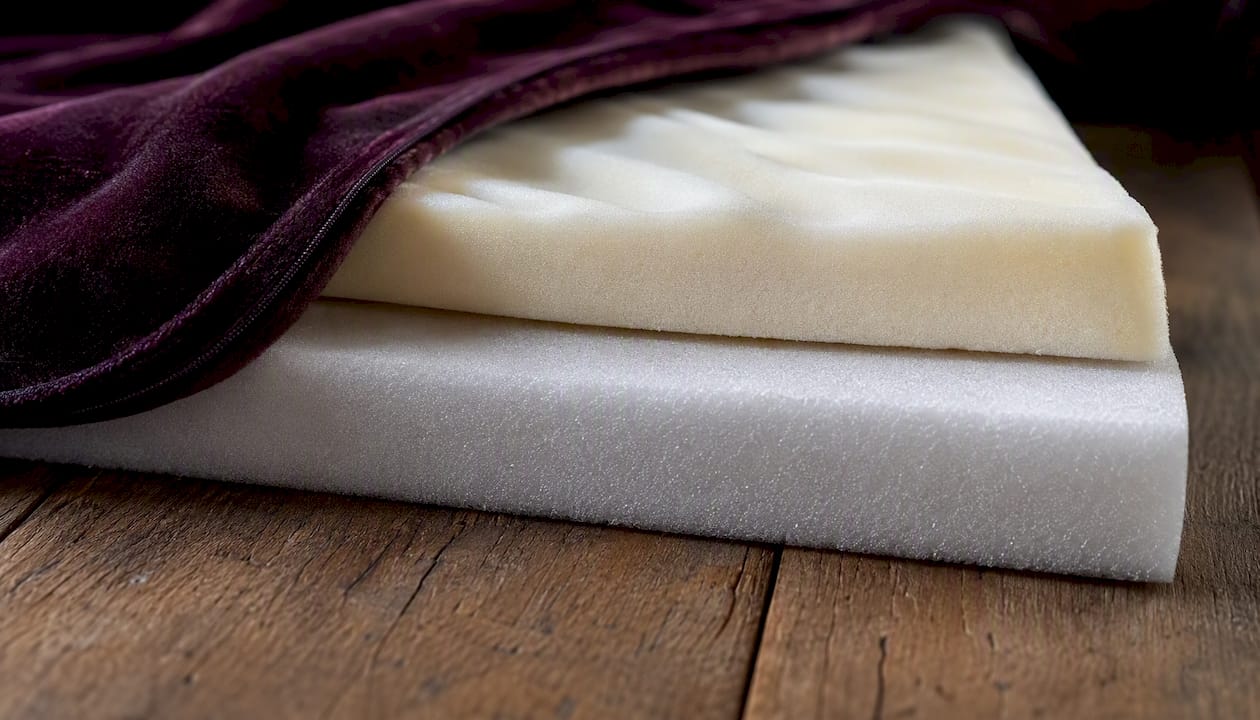
High-density support foam is firmer and more resistant to compression under heavy dogs. It does not conform as closely as memory foam but holds its shape longer. Consumer testing by Business Insider finds that thick, layered foam designs give the best combination of support and durability for larger dogs, while noting heat and firmness trade-offs.
Shredded foam is the fill to avoid. It shifts, clumps, and compresses unevenly, creating pressure points rather than eliminating them. A bed filled with shredded foam may carry an “orthopedic” label; that label means nothing here.
Gel-infused foam integrates cooling gel into the foam matrix to counteract heat buildup. It works, though the cooling effect diminishes over time in some formulations.
Design shapes
- Flat mattress style: Maximum surface area, easiest entry and exit for dogs with limited mobility. Best for dogs that sprawl or stretch out fully.
- Bolstered (sofa-style): Raised edges give head and neck support and create a sense of enclosure that many dogs find calming. Entry height can be a barrier for dogs with severe hip or elbow issues.
- Raised/elevated beds: Airflow underneath keeps the sleeping surface cooler and prevents moisture buildup. Support comes from the taut fabric rather than foam, so they are better for temperature regulation than joint cushioning.
Certifications and durability markers
- CertiPUR-US certification: Confirms the foam was made without ozone depleters, heavy metals, formaldehyde, or prohibited flame retardants, and that VOC emissions are within safe limits. Look for this on any foam bed you consider.
- Waterproof inner liner: Protects the foam core from urine, moisture, and odor absorption. Non-negotiable for senior dogs or those in house-training.
- Removable, machine-washable outer cover: Hygiene maintenance depends on this. A cover you cannot wash is a cover that will harbor bacteria and odor.
For large and giant breeds specifically, single-piece dense foam with substantial thickness is necessary to prevent “bottoming out,” where the dog’s weight compresses the foam all the way to the floor. Layered toppers can fine-tune comfort without sacrificing the firm base support those breeds require.
Named options worth knowing: Big Barker builds its beds specifically for large and giant breeds, using a layered foam system with a no-flatten guarantee. PetFusion uses CertiPUR-US certified memory foam with a waterproof inner liner and a machine-washable cover. FurHaven offers a wide range of orthopedic styles at accessible price points, including gel-infused and cooling options, with removable covers across most of its line.
How to choose the right orthopedic bed for your dog
A practical checklist cuts the decision down to what actually matters.
- Measure your dog’s sleeping length. Measure from nose to tail base while your dog is fully stretched out, then add at least 6–8 inches. A bed that forces your dog to curl when they prefer to sprawl defeats the purpose.
- Check the weight capacity. Every quality bed lists one. A Labrador with a weight exceeding the bed’s capacity will bottom out prematurely.
- Confirm foam thickness. Foam thickness requirements vary by dog weight: lighter dogs require less thickness while larger and giant breeds need a substantially thicker foam base to avoid bottoming out.
- Assess entry height. Dogs with hip or elbow dysplasia struggle with high bolsters. A low-profile flat mattress or a bolster with one open side is easier to navigate.
- Verify the cover is removable and machine-washable. Check the zipper quality and whether the cover shrinks after washing. A cover that fits poorly after the first wash is a design flaw.
- Look for a waterproof inner liner. This protects the foam from accidents and moisture. Without it, one incident can ruin the core permanently.
- Check for a non-slip base. A bed that slides on hardwood or tile is a fall risk for dogs with mobility issues.
- Read the warranty terms carefully. A genuine no-flatten guarantee (Big Barker offers a 10-year warranty) signals the manufacturer’s confidence in foam density. Vague “satisfaction” language without specific foam-performance terms is a red flag.
- Confirm CertiPUR-US certification. This is the clearest available signal that the foam meets safety standards for chemical content and emissions.
- Red flags to walk away from: “Orthopedic” beds filled with shredded foam, no weight capacity listed, no removable cover, covers with poor zipper construction, and no foam certification of any kind.
Pro Tip: When reading online reviews, filter specifically for reviews from owners of dogs similar in weight and age to yours. A review from a Chihuahua owner tells you almost nothing about how a bed will perform under a 90-pound Labrador.
For guidance on evaluating upscale products that last, the same principles apply here: prioritize material certification, manufacturer warranty, and construction quality over price alone.
What research and veterinarians actually say about effectiveness
The evidence base for canine orthopedic bedding is promising but limited. Most mattress research is human-focused; controlled canine trials are rare. Where they exist, the results are encouraging.
A university-associated clinical trial, referenced in mainstream product testing and reported by Rover, showed improved mobility and reduced pain in many large dogs using a thick orthopedic mattress. The study was conducted in association with a specific product manufacturer (Big Barker), which means results should be interpreted as a promising signal rather than independent confirmation.
That context matters. Brand-associated research is not worthless — the methodology can be sound — but it warrants appropriate skepticism. The broader canine evidence base remains limited, and most veterinary guidance on orthopedic beds is based on clinical reasoning and owner-reported outcomes rather than large independent trials.
What veterinarians consistently recommend is treating orthopedic bedding as one component of a broader comfort and management plan. For dogs with diagnosed arthritis or dysplasia, the AKC and AKC Canine Health Foundation both identify environmental supports — including appropriate bedding — alongside weight management, veterinary-prescribed anti-inflammatory medication, joint supplements (such as omega-3 fatty acids and glucosamine), and physiotherapy as the standard multi-modal approach.
The practical takeaway: a quality orthopedic bed is unlikely to harm any dog and is well-supported by clinical reasoning for high-risk groups. For dogs with confirmed orthopedic conditions, it belongs in the care plan. For healthy dogs, it is a quality-of-life investment with a reasonable evidence basis.

How to care for an orthopedic bed and when to replace it
Proper maintenance preserves both the support and the hygiene of the bed. Foam cores are the most vulnerable component — they cannot be machine-washed without breaking down the cellular structure that provides support.
- Wash the outer cover weekly (or immediately after accidents). Most quality covers are machine-washable on a gentle cycle in cold water. Check the care label for the specific product.
- Spot-clean the foam core with a mild enzyme-based cleaner and a damp cloth. Enzyme cleaners neutralize odor-causing bacteria without saturating the foam.
- Use a waterproof inner liner between the foam and the outer cover. This is the single most effective way to protect the core from urine, moisture, and odor. For guidance on pet-friendly cleaning solutions that are safe around dogs, specialist resources can help you choose products that won’t irritate your pet.
- Dry the foam core at room temperature only. Heat from a dryer or direct sunlight degrades the foam’s cellular structure and accelerates support loss. If the core gets wet, stand it upright in a well-ventilated area and allow 24–48 hours to dry fully.
- Air the bed regularly. Even without visible soiling, foam benefits from periodic airing to release moisture and reduce bacterial buildup.
Replacement timeline: A well-constructed high-density foam bed from a reputable manufacturer typically retains meaningful support for 5–10 years with proper care. Low-density or shredded-foam beds often need replacing within 1–3 years. The clearest sign a bed has lost support is “bottoming out” — when you press your hand into the foam and feel the floor beneath. Persistent body-shaped indentations that don’t recover, combined with a return of floor-seeking behavior in your dog, are equally reliable indicators.
An editorial perspective on investing in premium orthopedic beds
There is a version of this conversation that treats orthopedic dog beds as a niche wellness product for anxious pet owners. That framing misses the point. Joint health is a structural issue, and the surface a dog rests on for 12–16 hours a day is a meaningful variable in that equation.
Where I think buyers go wrong is in treating price as the primary filter. The real filter is construction: foam density, thickness relative to the dog’s weight, and the presence of a waterproof liner and washable cover. A $300 bed filled with shredded foam is a worse investment than a $180 bed built on certified high-density foam with a 10-year no-flatten guarantee.
At Mytotaltake, the evaluation framework is consistent: materials certification (CertiPUR-US is the floor, not the ceiling), warranty terms that reflect genuine manufacturer confidence, and cover construction that holds up to real-world use. For luxury-minded buyers, the additional consideration is aesthetic fit — a bed that belongs in a well-designed interior rather than clashing with it. That combination of performance and design coherence is where premium orthopedic beds genuinely earn their price.
For readers who want a long-lasting, heirloom-quality option: prioritize Big Barker or PetFusion for large breeds, verify CertiPUR-US certification, and treat the warranty as a proxy for foam quality. For an entry-level supportive option, FurHaven’s certified foam lines offer a credible starting point without the premium price tag.
Mytotaltake’s curated approach to premium pet comfort
Choosing a high-quality orthopedic bed is exactly the kind of considered purchase Mytotaltake was built for. The difference between a bed that supports your dog for a decade and one that collapses in a year comes down to material quality, construction standards, and the manufacturer’s willingness to back their product with a real warranty — the same criteria we apply across every category we curate.

Our guides on choosing upscale products that last walk you through the same evaluation framework applied here: foam certification, warranty depth, cover durability, and design quality. You will find material notes, durability filters, and honest assessments of what separates a premium product from one that merely carries a premium label. If you are ready to invest in a bed your dog will use for years, that is the right place to start.
Sources
The claims in this article draw on the following authoritative sources. The canine evidence base for orthopedic bedding is promising but not exhaustive — treat these as well-informed guidance rather than definitive clinical proof, and consult your veterinarian for your dog’s specific condition.
- Best Orthopedic Dog Beds 2026 – Forbes Vetted
- Rover blog: Orthopedic dog bed — do I need one?
- Business Insider — best orthopedic dog beds
- Akc











Leave a comment