
Pet Travel Backpack Airline Approved Picks
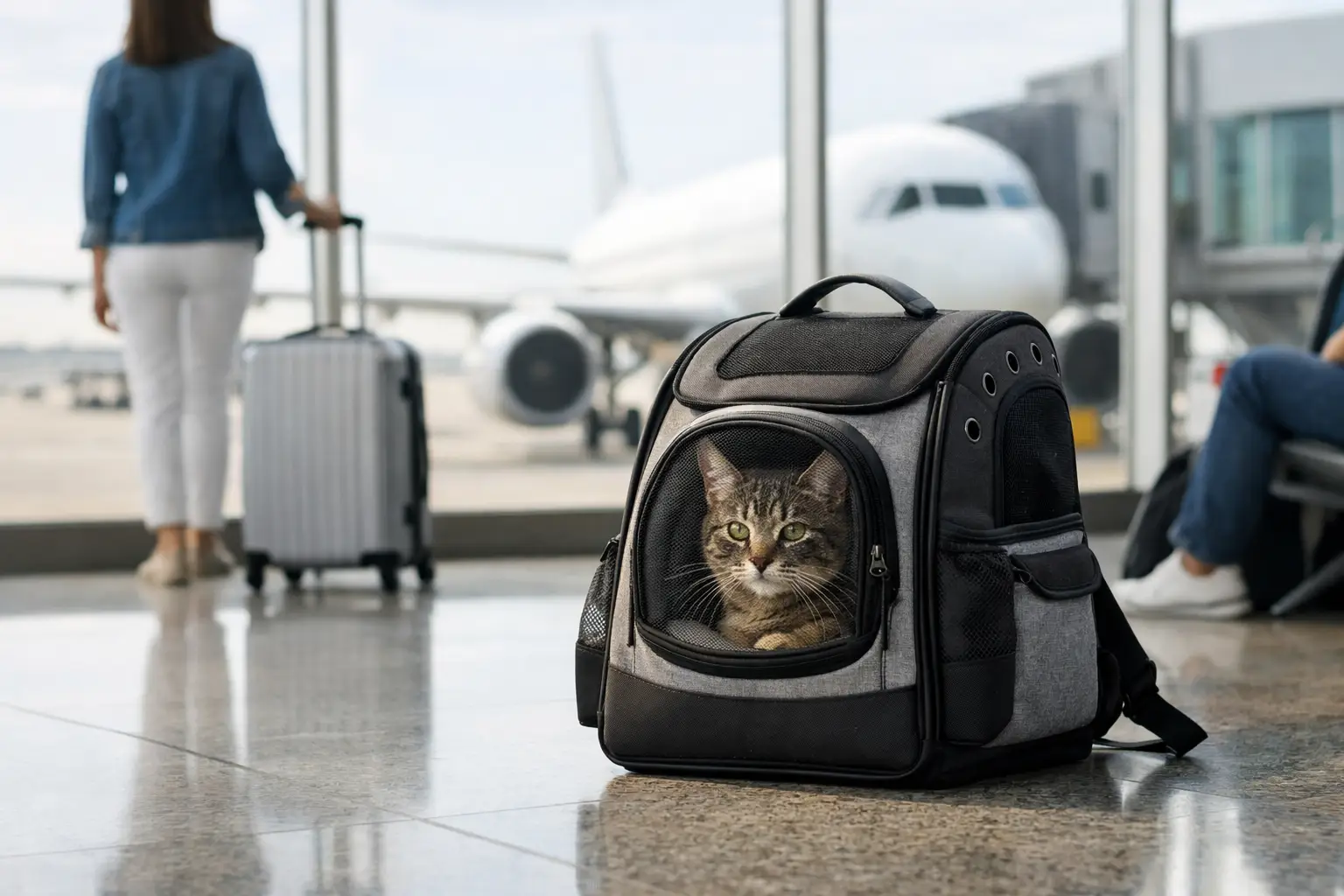
Airport check-in gets less glamorous the moment your pet carrier looks too bulky for the seat in front of you. A stylish setup matters, but on flight day, the better choice is the one that clears airline size rules, keeps your pet calm, and still feels comfortable on your shoulders. If you are shopping for a pet travel backpack airline approved option, the smartest buy is rarely the flashiest one – it is the one designed around fit, ventilation, structure, and real in-cabin travel.
What makes a pet travel backpack airline approved
The phrase sounds simple, but airline approval is rarely universal. Most airlines do not approve one carrier model across the board. They approve dimensions, ventilation, and in-cabin safety requirements. That means a backpack may be marketed as airline approved yet still be a poor match for your specific carrier if its shape is too rigid or too tall for the seat space on your route.
A well-designed pet backpack should fit within common under-seat limits while giving your pet enough room to turn slightly or lie down naturally. Soft-sided construction usually gives you a practical advantage because it can flex a bit when sliding under the seat. That flexibility often matters more than an extra pocket or dramatic silhouette.
Ventilation is another non-negotiable. Mesh panels on multiple sides help regulate airflow and let your pet see out, which can reduce panic for some animals. At the same time, too much openness can overstimulate a nervous pet. For anxious flyers, a backpack with balanced visibility – not fully exposed, not fully enclosed – tends to feel more secure.
Size matters more than the label
The first mistake many shoppers make is buying by pet weight alone. Weight guidelines are useful, but length and height are usually more important. A tall cat or long-bodied small dog can technically fall within the weight limit and still be cramped.
Measure your pet standing and lying down. You want enough interior length for a comfortable resting position and enough height for natural posture without forcing the head down. Then compare those measurements to the backpack’s usable interior space, not just the exterior dimensions in the product listing.
Airline rules are similar, not identical
Domestic airlines in the US often have overlapping expectations, but that does not mean they are interchangeable. Some are stricter on height, others on whether the carrier must remain fully under the seat at all times. A backpack with a reinforced top can be excellent for daily use but frustrating if it does not compress enough for a tighter aircraft layout.
This is where premium design earns its place. Better materials and smarter structure can create a carrier that feels polished and substantial without becoming stiff and unforgiving. For frequent travelers, that balance is worth paying for.
Comfort for your pet and for you
A pet backpack is not just a carrier. It is luggage, a portable safe space, and sometimes a waiting-room bed. If it feels uncomfortable to wear through a parking garage, security line, and terminal walk, you will notice every design flaw fast.
Look for padded shoulder straps, a chest buckle, and a supportive base. A waist strap can help if you tend to carry for long stretches, though it is not essential for every traveler. What matters more is how the weight sits against your back. A backpack that swings outward or sags at the bottom can feel heavier than it is.
For your pet, the base panel deserves close attention. A flimsy floor creates instability, especially during boarding and movement through crowded terminals. A structured bottom with a removable, washable pad gives a more composed ride. It also keeps the carrier looking elevated rather than collapsing into a shapeless bag.
The right amount of structure
This is one of the biggest trade-offs. More structure improves support, protects your pet from bumps, and creates a cleaner, more refined look. Less structure improves flexibility under the seat and can feel less confining for some pets. The right answer depends on how you travel.
If you mostly fly direct and want a more tailored, premium finish, a semi-structured backpack often works beautifully. If you take smaller regional flights or expect tighter seat clearance, a softer body may save you from check-in stress.
Features worth paying for
Not every extra feature adds real value. In a premium pet carrier, details should earn their place.
Secure zipper systems are essential. Locking zippers or clip-secured openings reduce the risk of a curious pet nudging a panel open mid-trip. Interior leash clips add another layer of control, especially when you need to open the carrier briefly in a private area.
Multiple entry points can also make a noticeable difference. A top opening helps when placing a pet into the carrier gently, while a side entry can feel easier in smaller spaces. Expandable sections sound appealing, and they can be useful during layovers, but remember that expansion panels do not make a carrier airline compliant if the base dimensions are already oversized.
Storage matters, but restraint matters too. You need room for documents, treats, waste bags, and perhaps a collapsible bowl. Too many exterior pockets can add bulk and make the backpack awkward under the seat. A cleaner profile usually travels better and looks more considered.
Pet travel backpack airline approved styles to avoid
Some designs photograph well and perform poorly. Bubble-window backpacks are a common example. They may suit short urban outings, but for airline travel they often sacrifice airflow, under-seat flexibility, and calming privacy. Hard-shell styles can create the same problem.
Oversized adventure backpacks are another mismatch. They look capable, but if they prioritize hiking features over cabin dimensions, they are not doing the job you actually need. For air travel, elegance comes from smart proportions and dependable function, not maximum capacity.
Be cautious with very inexpensive carriers that rely on thin mesh, weak stitching, or soft bases with little reinforcement. A lower upfront price can quickly lose its appeal if the bag tilts, sags, or shows wear after one trip. When you are moving through airports with a live animal inside, quality is not a cosmetic upgrade.
How to choose the best pet travel backpack airline approved option
Start with your pet’s temperament. A calm pet may do well in a more open, panoramic design. A cautious pet often prefers a carrier with partial visual shielding and a den-like feel. Then consider the trip itself. A two-hour direct flight and a multi-leg itinerary ask different things from the same backpack.
Think about where the carrier will spend most of its time. If you expect long terminal walks, prioritize carrying comfort and weight distribution. If the flight is the biggest concern, focus on compressibility, under-seat fit, and quiet stability.
Material quality should also align with your standards at home and on the move. Durable fabric, refined hardware, clean stitching, and washable interior pads are the markers of a product that feels curated instead of disposable. That distinction matters when the carrier becomes part of your travel routine, not just a one-time purchase.
At mytotaltake.com, that premium filter is exactly what makes shopping easier. The goal is not sorting through endless lookalikes. It is selecting pieces that feel elevated, functional, and built for real use.
Before you fly, test the backpack at home
Even the best carrier needs a trial run. Let your pet spend time inside it before travel day. Place familiar bedding in the bottom, keep the zipper open at first, and reward calm behavior around the backpack. A carrier that smells familiar and feels predictable will always perform better than one introduced at the airport.
Practice short walks while wearing it. You will notice quickly whether the straps dig in, the base shifts, or your pet seems unsettled by the motion. This small step can save a surprising amount of friction later.
If possible, confirm your airline’s current in-cabin pet guidelines before departure. Policies change, and aircraft type can affect available space. A good carrier gives you confidence, but the best travel experience still comes from pairing the right product with the right preparation.
A pet travel backpack should do more than pass a size check. It should make the entire experience feel calmer, more polished, and far less improvised – for you and for the companion riding with you.











Leave a comment