
Review: Smart Litter Box for Multiple Cats
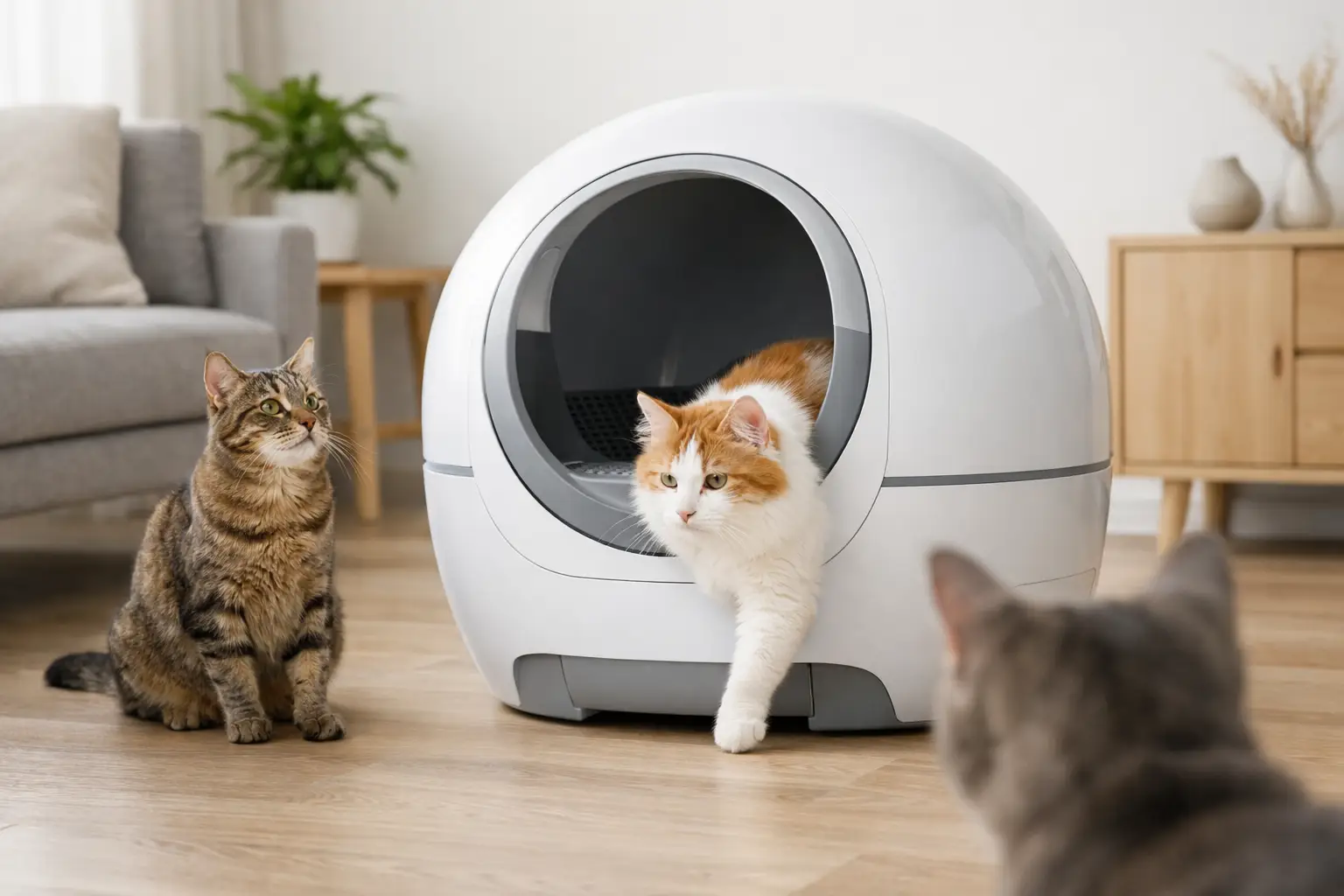
The search for a “review smart litter box for multiple cats” usually begins after one familiar moment: a rushed morning, a less-than-fresh laundry room, and more scooping than anyone wants to fit into a polished home routine. For a household with two, three, or more cats, an automatic litter box can be a meaningful upgrade – but only when its capacity, cleaning cycle, and safety design match real daily use.
A smart litter box is not a decorative gadget that happens to belong near a cat. It is a hardworking home appliance. The best designs reduce odor, streamline cleanup, and provide helpful insight into your cats’ habits while fitting more gracefully into an elevated living space. The wrong choice, however, can create jams, tracking, noise, and a bin that fills before the day is over.
Is a Smart Litter Box Worth It for a Multi-Cat Home?
For many multi-cat households, yes. The central appeal is consistency. After a cat exits, the unit waits for a preset period, separates waste from clean litter, and deposits it into a sealed waste drawer. That means each cat is more likely to find a clean bed of litter instead of a box another pet used minutes earlier.
That difference matters. Cats can be particular about cleanliness, and a crowded conventional box can lead to avoidance or accidents outside the box. Automated cleaning helps preserve a more inviting space between your regular maintenance sessions. It also removes the least refined part of pet care from the daily schedule, leaving a home that feels better cared for and easier to enjoy.
Still, convenience is not the same as zero maintenance. A smart box needs litter added, waste liners changed, sensors checked, and the interior cleaned on schedule. Think of it as replacing frequent scooping with a more efficient weekly routine. For busy professionals, design-conscious apartment dwellers, and families managing several cats, that is often an excellent trade.
Review Smart Litter Box for Multiple Cats: What Matters Most
A compelling product page can make every automatic box look equally capable. In practice, multi-cat performance depends on a few details that deserve a closer look before you bring one home.
Capacity Is More Than the Waste Drawer
Manufacturers often describe a unit as suitable for multiple cats, but the useful question is how many cats, at what sizes, and with what daily habits. A compact box may technically cycle after several uses, yet its waste drawer may fill quickly in a three-cat home. Larger households should prioritize generous waste capacity and a simple way to see when the drawer needs attention.
The entry opening and internal chamber matter just as much. A larger cat needs enough room to turn around comfortably, dig naturally, and exit without feeling enclosed. Measure your largest cat rather than shopping only by household count. A premium-looking unit that feels cramped will not deliver the peaceful routine you had in mind.
For homes with three or more adult cats, a large-capacity model or a two-box arrangement is usually the more dependable choice. Two boxes also give you a backup if one is being cleaned, temporarily offline, or occupied by a cat that likes to take its time.
Cleaning Performance and Litter Compatibility
Most smart litter boxes use either a rotating globe, a raking system, or a sifting tray. Rotating models can be especially effective with clumping litter because they separate solid waste efficiently and conceal it in a lower compartment. Raking designs can be familiar and straightforward, though sticky clumps or an enthusiastic digger may occasionally demand more attention.
Check which litter types the unit supports. Some systems work best with a specific grain size or clumping formula. Others are more flexible. In a multi-cat home, dependable clumping and odor control matter more than selecting the most exotic litter on the shelf. A compatible, low-dust litter can improve sensor accuracy, reduce residue, and make cleanup noticeably more pleasant.
Also consider cycle speed. A box that cleans too quickly may unsettle a curious cat returning to inspect it. One that waits too long may not keep pace during peak use. Adjustable delay settings offer a welcome level of control, particularly in homes where cats tend to follow one another into the box.
Safety Should Feel Thoughtful, Not Optional
Automatic movement near pets calls for careful engineering. Look for multiple safety sensors that stop the cleaning cycle when a cat enters or approaches the unit. Weight sensors should recognize a cat’s presence reliably, while anti-pinch and obstruction detection add another layer of reassurance.
No automated unit should be introduced without supervision. Let your cats investigate it while it is powered off, then allow them to use it in manual mode before activating automatic cycles. Kittens, elderly cats, and cats with mobility concerns may need more time, and some may be happier with a traditional box kept nearby.
Smart features should support observation, not replace it. App-based usage tracking can be useful for noticing a change in frequency or duration, especially in a multi-cat household where it can be difficult to know which pet is using the box differently. It cannot diagnose a health issue, but a pattern worth attention is easier to spot when the data is organized.
Odor Control Is the Luxury Feature You Notice Every Day
A refined home should not announce that the litter box is nearby. The strongest automatic units manage odor through quick waste separation, a covered waste compartment, well-fitted liners, and sometimes carbon filtration or deodorizing systems.
The sealed waste drawer is particularly valuable for multiple cats. By isolating waste soon after each use, it prevents odors from lingering in the open litter bed. Yet filters and fragrance are not substitutes for emptying the drawer. If a brand promises extended intervals between changes, treat that as a starting point rather than a guarantee. Diet, litter selection, humidity, and the number of cats all influence real-world results.
Placement can make or break the experience. Give the unit room for airflow and enough clearance for the rotating or opening components to function correctly. A ventilated laundry room, discreet utility area, or thoughtfully arranged bathroom corner can work beautifully. Avoid placing it beside food bowls, in a high-traffic doorway, or in a tight closet where odors and noise are more noticeable.
Consider the Footprint, Sound, and Visual Finish
Smart litter boxes are larger than many traditional pans. Before ordering, map the floor space as well as the clearance required above, behind, and beside the appliance. A model may look compact in a photograph but need significant room for a globe to rotate or a drawer to slide out.
Sound is another understated consideration. Most units make some mechanical noise during their cleaning cycle. A soft hum in a utility room may be perfectly acceptable; the same sound beside a bedroom may not be. If your cats are sensitive, a quieter model and a longer cleaning delay can make the transition gentler.
Aesthetic quality is worth considering, too. Clean lines, neutral finishes, and an enclosed silhouette can help pet essentials feel intentional rather than improvised. A well-designed litter box does not need to become a focal point, but it should be able to share space with the rest of a carefully chosen home.
The Ongoing Cost Behind the Convenience
The purchase price is only part of the decision. Budget for compatible litter, waste liners, filters, and occasional replacement parts. Some systems use proprietary accessories, while others accept standard bags or more widely available litter. Neither approach is automatically better. Proprietary components can create a tidier, more tailored fit, while universal options can offer flexibility and lower long-term expense.
For a multi-cat household, calculate maintenance based on your actual number of cats rather than the best-case claim on the box. A drawer advertised to last a week may need changing every three or four days with several large cats. That is still far less hands-on than scooping multiple times a day, but realistic expectations make for a better purchase.
When a Traditional Box May Be the Better Choice
An automatic unit is not right for every cat or every home. A cat with persistent litter box avoidance, a new medical concern, or significant mobility limitations may be better served by a low-entry traditional pan while you work with a veterinarian. Likewise, households with very young kittens should follow manufacturer age and weight guidance closely.
Some cats simply prefer an open, familiar box. There is no need to force a sophisticated appliance into a routine that is already working well. The goal is a cleaner, calmer home and a more comfortable experience for your pets, not technology for its own sake.
For everyone else, choose a spacious smart litter box with reliable sensors, a sealed waste system, and maintenance requirements that suit your household. Introduce it patiently, retain a backup box during the adjustment period, and let the upgrade earn its place through quieter mornings, fresher rooms, and more time spent enjoying the cats who make your home feel complete.









Leave a comment