
Sonos vs Bose Soundbar: Which Fits Best?
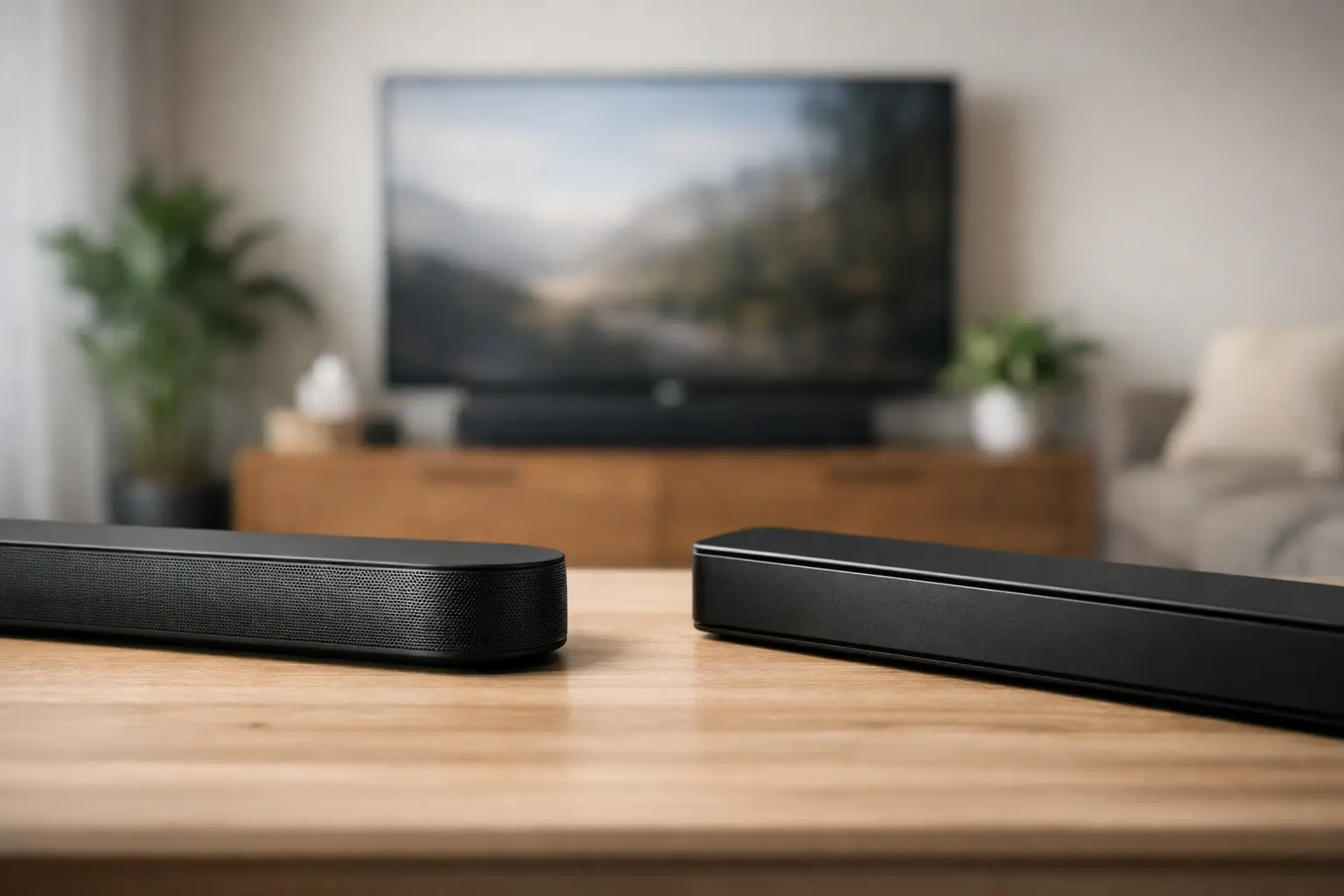
A soundbar rarely lives alone. It sits beneath your TV, anchors your media console, and quietly shapes the feel of the room long before the movie starts. That is why the sonos vs bose soundbar question is not just about audio specs. It is about how you want your space to look, sound, and function every day.
Both brands occupy the premium end of the category, and both have earned loyal followings for good reason. Sonos leans into a clean, architectural aesthetic with a strong multi-room ecosystem. Bose brings a refined balance of compact design, polished dialogue, and approachable setup. If you are choosing for a living room upgrade, an apartment theater setup, or a design-forward media wall, the better option depends less on hype and more on how you actually live.
Sonos vs Bose soundbar: the real difference
The clearest distinction is philosophy. Sonos builds for the connected home. Its soundbars are designed to work beautifully on their own, but they become more compelling if you plan to expand into a whole-home audio system over time. Add rear speakers, add a subwoofer, add speakers in the kitchen or bedroom, and the system starts to feel curated rather than pieced together.
Bose takes a slightly different path. Its soundbars tend to focus on immediate satisfaction: elegant hardware, straightforward setup, strong voice clarity, and an inviting sound profile that feels easy to enjoy right away. For many shoppers, that matters more than building a larger audio network. If your goal is a premium entertainment upgrade with minimal friction, Bose often makes a persuasive case.
That makes this less of a pure performance contest and more of a lifestyle choice. Sonos is often stronger for buyers who see audio as part of a broader smart-home plan. Bose is often stronger for buyers who want a polished, premium theater experience without much tinkering.
Sound quality in everyday use
A showroom demo can be impressive, but most people live with a soundbar during streaming nights, morning news, casual playlists, and the occasional big-screen blockbuster. In those moments, tuning matters as much as raw power.
Sonos soundbars generally present audio with a spacious, composed character. There is often a sense of width and placement that makes a room feel more cinematic, especially with Dolby Atmos content on higher-end models. Effects can feel more distinctly layered, and music playback tends to sound thoughtful rather than overly boosted. If you care about immersion and listen closely, Sonos has a way of sounding a touch more sculpted.
Bose usually shines in clarity and ease. Dialogue is often crisp and centered, which is ideal if you are tired of adjusting volume between whispered scenes and action sequences. Bose tuning can also feel more immediately pleasing for TV-heavy households because voices remain intelligible without much effort. For mixed use that includes sitcoms, sports, cable content, and streaming series, that practicality carries real value.
Neither brand is universally better for everyone. Sonos can feel more expansive. Bose can feel more direct. If your room is larger and you want a more enveloping presentation, Sonos may have the edge. If speech clarity is your top priority, Bose may suit you better from day one.
Music performance matters more than people expect
A premium soundbar is rarely used just for movies. It ends up handling dinner playlists, weekend cleaning sessions, and background music when guests are over. That is where Sonos tends to pull ahead for buyers who care about whole-home listening and app-based control. Music feels central to the Sonos experience, not secondary.
Bose is still a strong musical performer, but it often feels more home-theater-first. If you want a soundbar that can also become part of a broader listening habit across multiple rooms, Sonos usually offers the more compelling long-term path.
Design and room appeal
For a design-conscious home, appearance is not a side note. A soundbar is visible hardware, and premium buyers notice proportions, finishes, and how technology integrates with furniture and decor.
Sonos has become known for understated elegance. The shapes are simple, the detailing is restrained, and the overall look fits well in modern interiors. It feels intentionally minimal, which makes it easy to place in spaces where the television area needs to stay clean and elevated.
Bose also delivers a high-end finish, often with a slightly more sculpted and glossy presence depending on the model. In smaller rooms or apartments, Bose soundbars can be especially appealing because they often look compact without reading as cheap or compromised. They feel tailored for buyers who want premium performance without visual bulk.
If your room has a strong contemporary design language, Sonos often blends in more naturally. If space is tighter and you want something sleek and refined that does not dominate the console, Bose can be the more graceful fit.
Setup, app experience, and daily convenience
This category is where preferences become personal very quickly. Some buyers enjoy fine-tuning a system. Others want the entire process finished before the popcorn is ready.
Sonos offers a mature software experience and an ecosystem that is hard to ignore if you value control. The app is central to the experience, and for many users that is a strength. Managing rooms, grouping speakers, and expanding over time feels intentional. The trade-off is that Sonos can feel more ecosystem-driven, which is excellent if you buy into it and less appealing if you prefer simple, isolated hardware.
Bose tends to feel friendlier for shoppers who want a premium setup with fewer decisions. Pairing, basic controls, and everyday use often feel approachable. The learning curve is usually lighter, which can matter if the soundbar is for a family room shared by multiple people with different comfort levels around tech.
There is also the matter of voice assistants, HDMI eARC support, remote integration, and room calibration. Both brands handle modern convenience well, but they do so with slightly different personalities. Sonos feels curated for the smart home enthusiast. Bose feels tuned for easy, polished ownership.
Expansion and upgrade potential
When comparing sonos vs bose soundbar options, think beyond the first purchase. Many buyers start with the bar alone, then add a subwoofer or surrounds later. This staged approach can be smart, especially if you want a premium setup without doing everything at once.
Sonos is particularly strong here. Its ecosystem is one of its biggest selling points, and expansion feels natural rather than forced. You can begin with a beautifully minimal setup and evolve into a more immersive system as your space or budget changes.
Bose also supports expansion, and it can sound excellent when paired with matching components. The difference is that Sonos tends to make the entire ecosystem feel more central to the brand experience. For buyers planning a multi-phase home audio upgrade, Sonos often has the clearer advantage.
Price and value without guesswork
Premium does not mean overpriced, but it does mean you should expect a clear return in design, performance, and daily satisfaction. Sonos and Bose both sit above entry-level competitors, so value comes down to what you will actually use.
If you want a stronger music platform, refined minimalist styling, and room to build a larger system, Sonos often justifies its price well. If you want excellent TV and movie performance, polished speech clarity, and easy ownership in a smaller package, Bose can feel like the smarter buy.
This is especially true when your room and habits are modest. A top-tier soundbar can be impressive, but it may be more product than you need in a condo living room or bedroom setup. Paying for expansion you will never use is not always premium shopping. Thoughtful matching is.
Which one should you choose?
Choose Sonos if you want your soundbar to be part of a broader, design-led home audio vision. It fits buyers who care about clean aesthetics, immersive sound, and the freedom to grow into a multi-room setup over time. It is particularly attractive for homes where music matters as much as movies.
Choose Bose if you want a sophisticated entertainment upgrade that feels effortless from the start. It suits buyers who prioritize dialogue clarity, compact elegance, and a refined experience without much system management. For many living rooms, that balance is exactly right.
At mytotaltake.com, premium technology is at its best when it supports the way you live, not when it complicates it. The right soundbar should sharpen movie night, elevate everyday listening, and look completely at home in your space.
The smartest choice is the one that still feels right six months later, when the setup is no longer new and all that matters is how beautifully it fits your routine.











Leave a comment