
Explaining Investment-Worthy Decor: What Really Counts
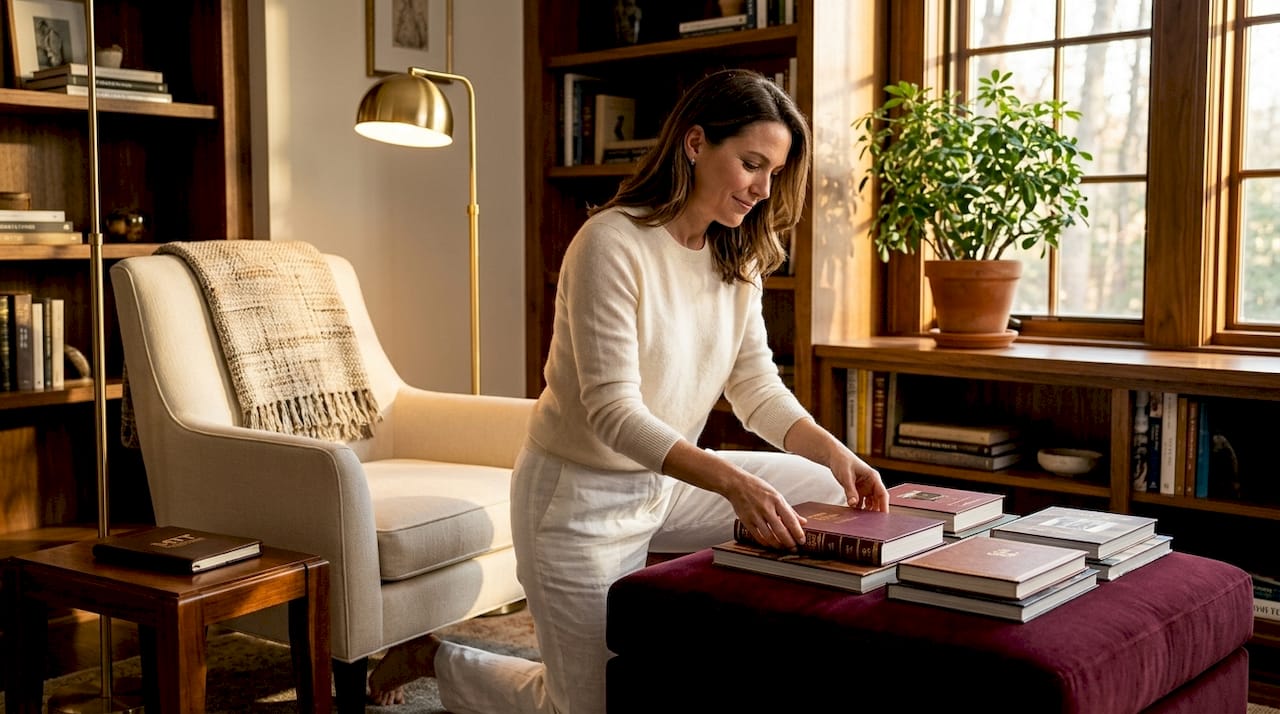
Most people assume price is the deciding factor when explaining investment-worthy decor. It isn’t. A $3,000 trendy accent chair can lose its appeal in two seasons, while a $900 well-crafted linen sofa in a neutral tone holds its visual and functional value for decades. The distinction matters whether you’re furnishing a forever home or preparing a property for resale. This guide cuts through the noise and gives you a practical framework for identifying decor that genuinely holds value, improves your living experience, and contributes to your home’s long-term appeal.
Table of Contents
- Key takeaways
- What makes decor truly investment-worthy
- Decor categories worth prioritizing
- How decor affects home value and resale
- Practical strategies for choosing and maintaining pieces
- Mistakes that undermine your decor investment
- My honest take on investment decor
- Discover curated decor built to last
- FAQ
Key takeaways
| Point | Details |
|---|---|
| Price does not equal investment | A high price tag alone doesn’t make decor worth investing in; quality, durability, and timelessness do. |
| Anchor pieces carry the most weight | Sofas, rugs, lighting, and storage are where your budget should be concentrated for maximum longevity. |
| Staging accelerates sales significantly | Staged homes sell faster and at higher prices, confirming decor’s role in perceived value. |
| Decor affects perception, not appraisal math | Cosmetic upgrades improve condition ratings but don’t change structural appraisal factors like square footage. |
| Maintenance mindset extends value | Choosing repairable, refinishable pieces protects your investment far longer than replacing worn items. |
What makes decor truly investment-worthy
Not all high-value home decor carries real investment potential. The pieces that do share a consistent set of characteristics, and once you know what to look for, they become easy to spot.
Durability and material quality are the foundation. Solid wood, full-grain leather, hand-knotted wool, and kiln-fired ceramics age gracefully. They don’t pill, warp, or fade the way MDF, bonded leather, or synthetic fabrics do. You can restore them. That repairability is what separates a smart purchase from a depreciating one.
Timeless design is the second pillar. A piece with clean lines, neutral proportions, and a restrained color palette can move from room to room and style to style without looking out of place. Think mid-century modern silhouettes, Shaker-style cabinetry, or a classic Chesterfield. These don’t beg for a specific aesthetic context.
Flexibility and adaptability are underrated. A well-designed investment piece should work in your current home and your next one. If it only looks right in one specific room configuration, it has limited investment potential.
Functionality matters more than it gets credit for. Purely decorative objects rarely hold value unless they are art. Pieces that serve a daily purpose, like a quality storage bench, a well-made dining table, or a thoughtfully designed floor lamp, tend to earn their place more reliably.
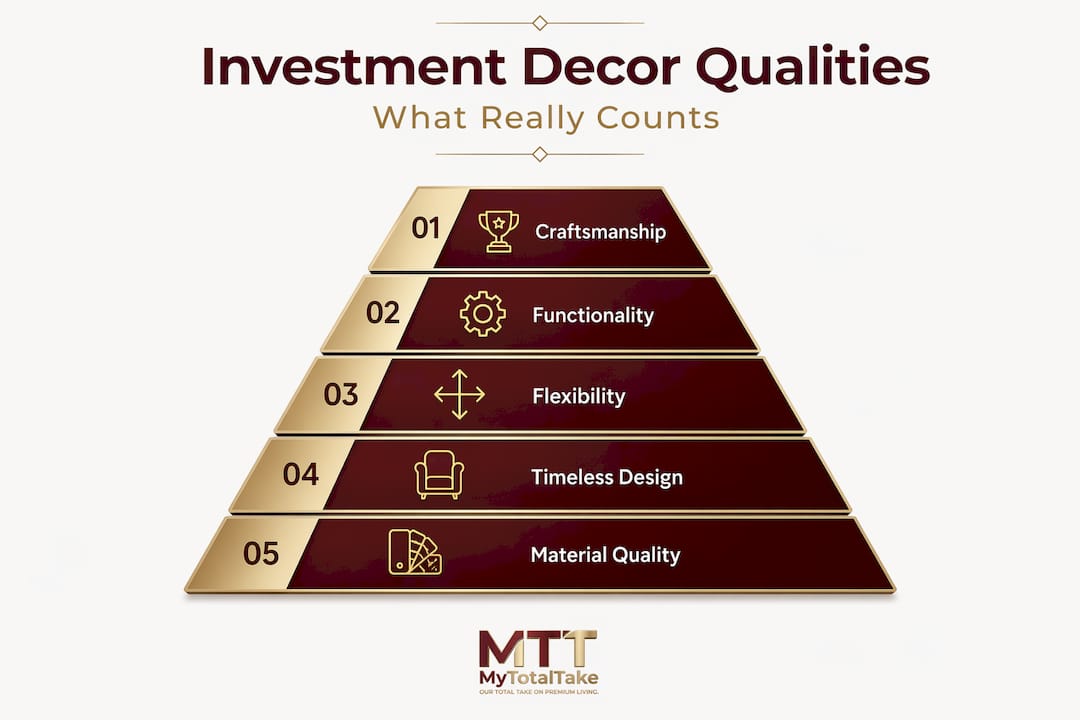
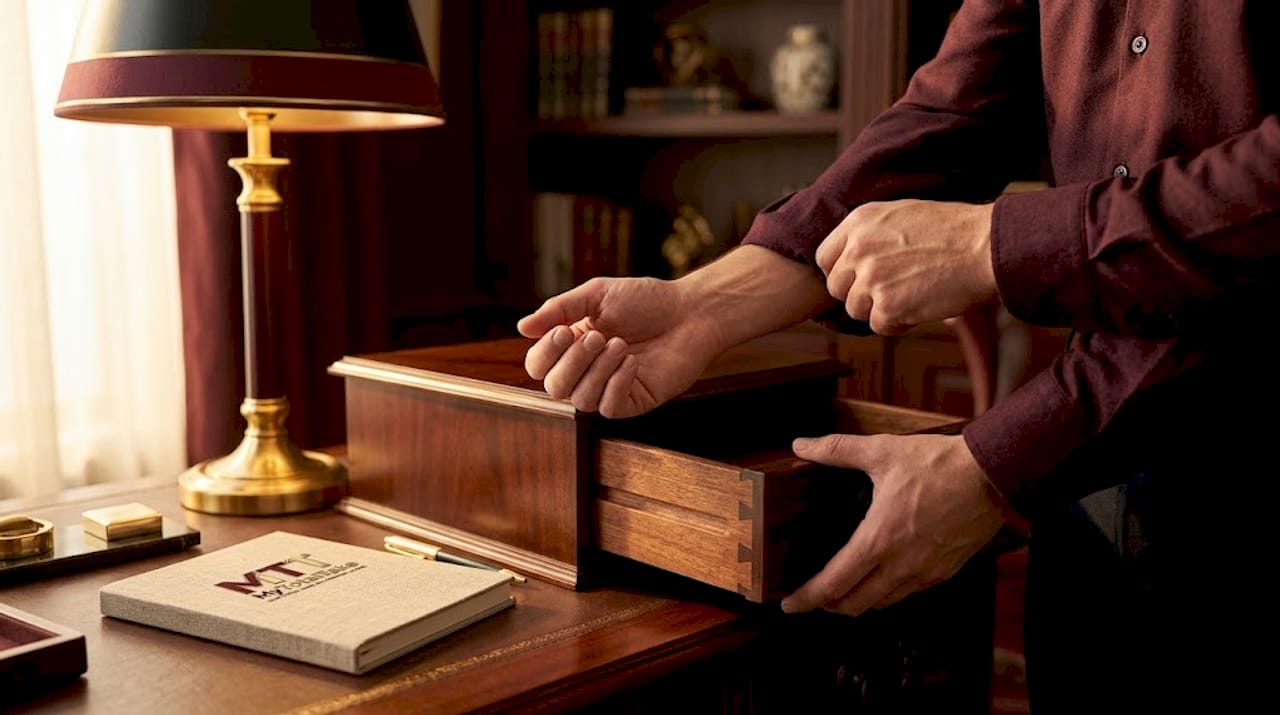
Finally, provenance and craftsmanship add a dimension that mass production cannot replicate. Maker marks, hand-stitching, dovetail joinery, and signed pieces carry narrative weight. That narrative translates to resale desirability.
Pro Tip: When shopping for anchor pieces, turn the item over or look underneath. Dovetail joints, hand-stitched seams, and stamped maker marks are fast indicators of genuine craftsmanship.
Decor categories worth prioritizing
The smartest way to think about this is through the lens of portfolio diversification. You spread risk by concentrating your budget in durable, long-life pieces and keeping flexible, lower-cost accent pieces refreshable.
Here’s how decor categories break down by investment priority:
| Category | Investment priority | Expected longevity | Notes |
|---|---|---|---|
| Sofa | Very high | 15 to 25 years | Choose neutral tones, quality frame, replaceable cushions |
| Area rug | High | 10 to 20 years | Hand-knotted wool or silk holds value best |
| Lighting fixtures | High | 10 to 20 years | Layered warm lighting between 2700K and 3000K flatters finishes |
| Storage pieces | High | 15 to 25 years | Solid wood sideboards, bookcases, and media units |
| Accent furniture | Medium | 5 to 10 years | Chairs, side tables, occasional benches |
| Decorative objects | Low to medium | Variable | Art and vintage pieces can hold or grow in value |
| Seasonal textiles | Low | 2 to 5 years | Treat as refreshable, keep budget proportional |
Within accent pieces, vintage and upcycled furniture deserve a special mention. Well-maintained vintage pieces with solid joinery and repairable hardware can outperform new mass-produced items both aesthetically and in terms of resale value. They carry character that no flat-pack alternative can replicate.
Lighting is where many homeowners consistently underinvest. Consistent color temperature between 2700K and 3000K flatters finishes and creates the kind of warmth that buyers and guests notice immediately, even if they can’t articulate why. A well-lit room makes every other decor piece look better.
- Invest the majority of your budget in anchor pieces (sofa, rug, lighting, storage)
- Keep accent furniture budget moderate and choose pieces with flexible styling potential
- Treat seasonal textiles and accessories as low-cost refresh tools, not long-term investments
- Prioritize vintage and artisan pieces over mass-produced alternatives when quality is comparable
How decor affects home value and resale
This is where expectations need calibration. Decor upgrades alone will not add a bedroom, increase your home’s gross living area, or change the comparable sales your appraiser uses. Cosmetic updates like fresh paint only improve appraisal condition ratings when the existing condition is genuinely poor. If your home is already in good shape, a new paint job won’t add appraised value.
What decor does affect, powerfully, is buyer perception and speed of sale. Staged apartments sell 73% faster and can achieve up to 17% higher sale prices compared to unstaged ones. Physical staging typically costs between $3,000 and $6,000. When those numbers are placed against a potential 17% price increase on a $500,000 home, the math is compelling.
The mechanism here is emotional. Buyers make decisions based on how a home feels, not just its specs. Quality decor signals maintenance, care, and lifestyle. It communicates that the home has been looked after. A thoughtfully curated interior tells that story without a word being spoken.
Pro Tip: When preparing a home for sale, removing 20 to 30% of furniture and personal items significantly improves how photographs look and how buyers move through the space during showings.
The practical balance is this: address structural and mechanical issues first. Then use decor strategically for presentation. A home with excellent bones and clean, timeless decor will consistently outperform one with luxury finishes but deferred maintenance.
| Decor action | Appraisal impact | Buyer perception impact |
|---|---|---|
| Fresh neutral paint | Minimal (condition only) | High, especially in photos |
| Staging and decluttering | None directly | Very high, accelerates sale |
| Quality lighting upgrade | None directly | High, elevates finish appearance |
| New high-end rug | None directly | Moderate to high |
| Structural repair | Direct, condition rating | High |
Practical strategies for choosing and maintaining pieces
Selecting the right piece is only half the equation. The other half is protecting and extending its value over time. Here’s how to approach both with intention.
-
Evaluate quality before you buy. Check for solid wood frames, not particleboard. Look for hand-stitching on upholstery, tightly woven pile on rugs, and weighted heft in ceramics. A piece that feels substantial usually is.
-
Research the maker. Provenance matters. A piece from a recognized artisan or heritage brand carries built-in resale credibility. Look for maker stamps, certificates, or verifiable origin information before committing.
-
Know when to refurbish versus replace. A solid wood dresser with faded finish is worth refinishing. A sofa with a compromised frame is not worth reupholstering. The rule: if the structure is sound, restoration adds value. If it isn’t, replacement is smarter.
-
Price upcycled pieces correctly. Upcycled furniture typically sells for 15 to 30% more than comparable unfinished used pieces, with an additional 15 to 25% premium for finish quality and uniqueness. If you’re buying refinished pieces, factor that premium into your budget expectations.
-
Plan seasonal refreshes around accents. Swap cushion covers, throws, and small decorative objects with the seasons. This keeps your space feeling current without touching your anchor investments.
Pro Tip: Invest in professional cleaning for high-quality rugs and upholstery every two to three years. The cost is minimal compared to replacement, and it preserves both appearance and material integrity significantly longer.
Longevity isn’t passive. It requires a maintenance mindset from the moment of purchase. Read care instructions, use appropriate cleaning products, and rotate rugs in high-traffic areas to distribute wear evenly. These habits extend the life of your best pieces by years.
Mistakes that undermine your decor investment
Avoiding common pitfalls is as important as making smart purchases. Here are the ones worth knowing before you spend a dollar.
- Assuming price equals investment quality. A high-end designer piece that embodies this season’s dominant trend can look dated in three years. Price and investment value are not the same metric.
- Over-investing in niche or trend-driven pieces. Maximalist pattern mixing and ultra-specific color palettes that feel current today are the hardest to integrate into evolving interiors.
- Expecting decor to move the appraisal needle significantly. As noted above, appraisal inputs like gross living area and comparable sales are primary drivers. Decor improves perception, not the fundamental math.
- Ignoring lighting consistency. Mismatched color temperatures across a single room undermine even the best decor. One warm bulb next to a cool one creates visual dissonance that no rug or artwork can correct.
- Neglecting maintenance until it’s too late. Deferred care turns repairable pieces into replaceable ones. The investment window closes faster than most people expect.
“The most expensive decor mistake isn’t buying cheap. It’s buying trend-driven pieces at premium prices and expecting them to hold their value.”
My honest take on investment decor
I’ve spent years watching homeowners make the same miscalculation. They fall for the story a piece tells in a showroom, usually a story built around a current trend, and they pay a premium for it. Then three years later, that statement piece feels exactly like what it was: a statement from a specific moment in time.
What I’ve learned is that flexibility is the most underrated quality in any decor investment. The pieces I’ve seen hold value longest are the ones that could survive three different owners with three different aesthetics. A beautifully proportioned linen sofa in warm white. A hand-knotted Persian runner. A solid brass floor lamp. None of those scream a specific era.
Lighting also surprised me. I’ve watched a single thoughtful lighting upgrade transform how buyers perceive a space, not because the fixture was flashy, but because the layered warmth it created made every other element look better.
And the maintenance piece? Most people don’t want to hear it, but the mindset you bring to a piece after purchase matters as much as the purchase decision itself. A $2,000 rug that goes uncleaned for a decade is a worse investment than a $600 rug that’s cared for properly. Buy for quality, then protect that quality.
— Lysander
Discover curated decor built to last
At Mytotaltake, we curate only the decor that meets the standards this article describes: durability, timeless design, craftsmanship, and lasting elegance.

Whether you’re building a home from scratch or refining what you already have, our premium decor tips give you a clear starting point with pieces selected for longevity and style. Explore our collections on elegant living ideas, artisanal furniture, and upscale lighting. Every product is selected with investment potential in mind, so you spend with confidence and live with lasting satisfaction.
FAQ
What is investment-worthy decor?
Investment-worthy decor refers to pieces selected for durability, timeless design, adaptability, and craftsmanship. These qualities allow decor to retain visual and functional value across years and changing styles.
Does high-quality decor actually increase home value?
Decor primarily improves buyer perception and sale speed rather than appraisal value directly. Staged homes sell up to 73% faster and can achieve up to 17% higher prices, but structural factors drive actual appraisal outcomes.
What decor pieces have the best investment potential?
Sofas, area rugs, quality lighting, and solid wood storage pieces offer the best long-term return. These anchor pieces have the longest usable lifespan and the broadest stylistic flexibility.
How do I identify craftsmanship in a decor piece?
Look for dovetail joinery, hand-stitched seams, solid wood construction, maker stamps, and weighted heft. These physical indicators separate genuinely crafted pieces from mass-produced alternatives.
Is buying vintage decor a good investment?
Yes, when the piece has solid structure and repairable components. Well-maintained vintage pieces with good joinery add lasting character and often outperform new mass-produced items in both aesthetic appeal and resale desirability.







Leave a comment