
Steam Shower Efficiency for a Smarter Retreat
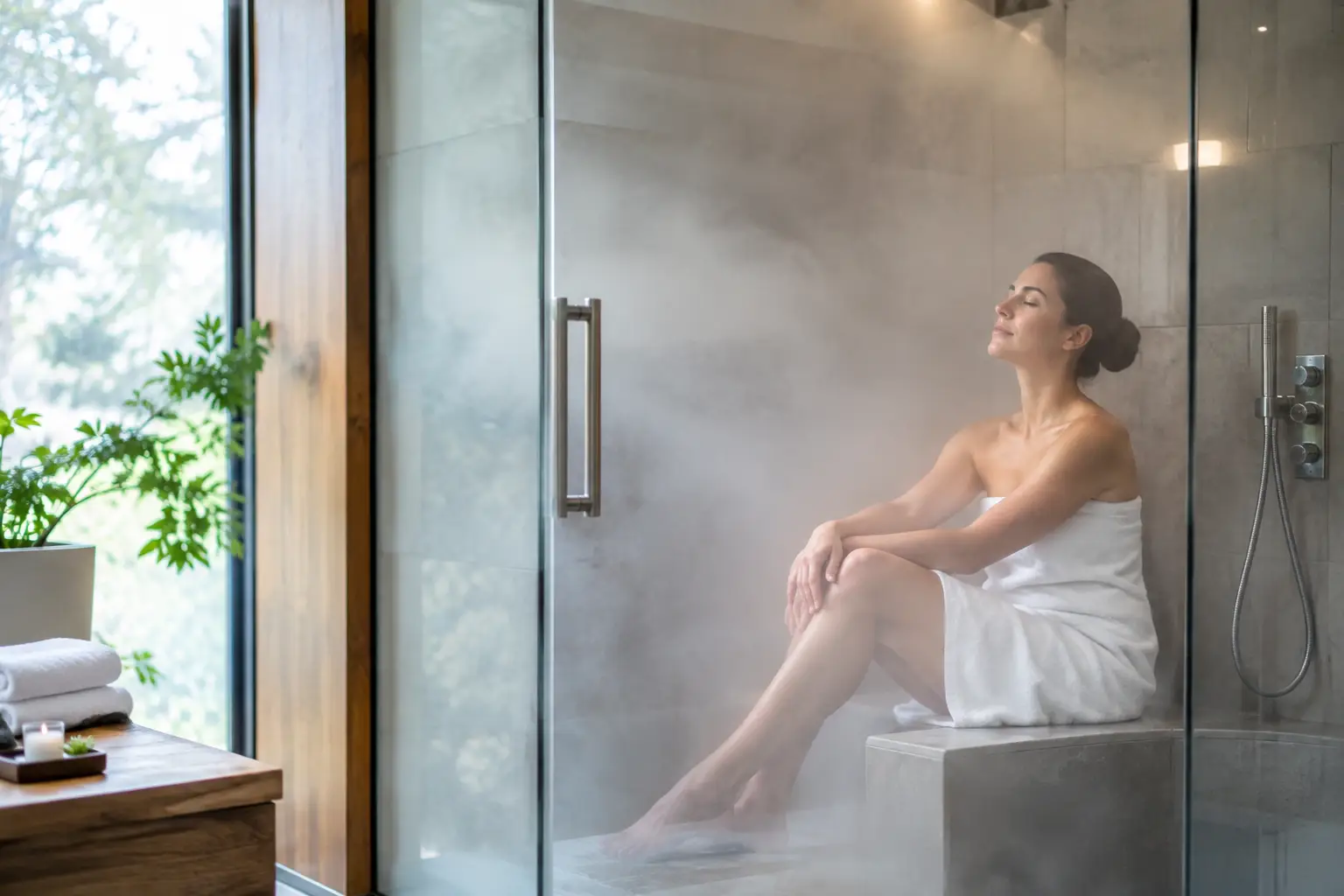
A steam shower can turn a spare 15 minutes into the most restorative part of the day, but steam shower efficiency determines whether that ritual feels considered or costly. The difference is rarely about giving up the enveloping warmth, fragrant steam, or spa-like privacy. It comes down to choosing a properly sized system, creating a well-sealed enclosure, and using the space with intention.
For homeowners planning a refined bathroom upgrade, efficiency is not simply an energy question. It is a design decision. A thoughtfully specified steam shower heats quickly, holds its temperature beautifully, protects the room around it, and delivers the elevated experience you invested in without unnecessary waste.
What Steam Shower Efficiency Really Means
Steam showers use electricity to heat water in a generator, which sends steam into an enclosed shower. Unlike a conventional shower, where water runs continuously over the body, a steam session typically uses a relatively modest amount of water once the generator has filled and begun producing steam. The larger operating consideration is electricity, especially during warm-up and longer sessions.
An efficient installation reaches a comfortable steam environment quickly and maintains it without the generator working harder than necessary. That depends on the entire system, not just the generator. Room volume, ceiling height, wall materials, glass area, insulation, door seals, control settings, and maintenance all play a role.
This distinction matters when comparing luxury bathroom features. A larger generator will not automatically create a better experience. In an undersized room, it can be unnecessary. In a large or poorly insulated enclosure, even a powerful generator may feel slow or inconsistent. The most satisfying result is a balanced specification tailored to the room.
Start With the Right Generator Size
Generator sizing is the foundation of steam shower efficiency. Manufacturers typically size units by cubic feet, but a simple volume measurement is only the beginning. Measure the shower’s length, width, and height, then account for the features that draw heat away from the steam.
Natural stone, ceramic tile, glass block, exterior walls, and oversized glass panels generally require additional steam capacity because these surfaces absorb heat. A shower with a standard ceiling and insulated tiled walls will have very different needs from a dramatic wet room with a vaulted ceiling, marble slabs, and a full glass front.
A qualified installer should use the generator manufacturer’s adjustment guidelines rather than relying on an estimate. This is especially worthwhile for a design-forward renovation, where materials are often selected for visual impact first. Exquisite marble and expansive glass can create a striking sanctuary, but they need proper capacity planning to feel as indulgent as they look.
There is a practical trade-off here. Selecting a generator that is slightly too small can extend warm-up time and leave the unit running at its limits. Selecting one dramatically too large can add purchase cost without improving the session. Precision is the premium choice.
Keep the Steam Room Compact and Intentional
A steam enclosure does not need to be enormous to feel luxurious. In fact, a more compact, comfortably proportioned room is often easier to heat and maintain. A well-designed two-person steam shower can feel far more serene than a cavernous enclosure that loses heat through every surface.
If your plans include a bench, build it into the layout rather than expanding the room unnecessarily. A contoured or floating bench, recessed shelving, and warm indirect lighting can add the high-end haven effect without adding excessive cubic footage. The goal is not to make the room bigger. It is to make every inch more pleasurable.
Build an Enclosure That Holds Heat
Steam belongs inside the shower enclosure. Gaps around a door, unsealed joints, and poorly finished openings allow heated air to escape while inviting moisture into areas that were never designed to handle it. That is bad for efficiency and potentially hard on the bathroom over time.
A steam-rated door should close securely, with seals designed for the job. Transom openings should be closed during a session, and fixed glass panels should be installed with meticulous attention to edges and connections. Frameless glass can still deliver the clean, contemporary look many homeowners prefer, but it must be specified for a steam application rather than treated like an ordinary shower screen.
Insulation deserves equal attention. Walls that border an unconditioned garage, attic, or exterior should be properly insulated before the finished surfaces go in. This is one of those behind-the-wall decisions that never appears in a glamorous bathroom photo, yet it has a direct effect on how quickly the space warms and how comfortably it performs.
Ceiling design is another detail with outsized impact. A ceiling with a slight slope helps condensation travel toward the walls rather than collecting overhead and dripping onto bathers. It also gives the room a more finished, purposeful feel. Higher ceilings increase the volume the generator must heat, so a standard-height ceiling is usually the more efficient choice unless architecture calls for something different.
Use Controls to Refine Each Session
Modern controls make a steam shower feel more personal while helping prevent needless run time. A programmable controller can let you set session length and temperature with greater accuracy than manually switching a generator on and off. Some systems also offer remote start features, though these should be used only according to the manufacturer’s safety instructions.
For many people, 15 to 20 minutes provides the ideal reset. Setting a defined session keeps the generator from running longer simply because the room is available. A temperature around 110 to 115 degrees Fahrenheit is a common comfort range, although personal preference, health considerations, and manufacturer guidance should always take priority.
Preheating should be purposeful, not excessive. Start the system close enough to your planned session that the room is ready when you are, rather than letting steam run while you finish chores elsewhere. If more than one person will use the shower consecutively, grouping sessions can be more efficient than reheating the enclosure later in the day.
A high-quality aromatherapy feature, chromatherapy lighting, or integrated audio can make a short session feel exceptionally complete. That is the real advantage of thoughtful design: more restoration from less time and energy.
Ventilation Protects the Investment
It may seem counterintuitive, but proper ventilation supports steam shower efficiency. The exhaust fan should remain off while the steam session is active, since running it will pull warm, humid air from the enclosure. Once the session ends and the door is opened, ventilation becomes essential for clearing remaining moisture from the broader bathroom.
Use a properly sized bath fan, ideally with a timer or humidity sensor, to continue exhausting air after the shower. This reduces lingering condensation on mirrors, cabinetry, and walls. It also helps preserve finishes, grout, and paint, which protects the craftsmanship behind a premium renovation.
The ideal sequence is simple: enjoy the steam with the enclosure closed, end the session, open the door, and allow the exhaust fan to manage the moisture afterward. Leave the door ajar until surfaces have begun to dry.
Maintain the Generator for Lasting Performance
Mineral buildup is a quiet enemy of efficient steam production. Hard water can leave scale on heating elements and inside the generator, increasing the time and energy needed to create steam. Over time, it can also shorten component life.
Many premium generators include an automatic drain or flush function that releases water after use. This feature can be particularly valuable in hard-water areas, but it does not eliminate the need to follow the recommended maintenance schedule. Depending on water conditions and system design, periodic cleaning or service may still be needed.
Use only manufacturer-approved cleaning practices. Harsh chemicals or improvised descaling methods can damage components and complicate warranty coverage. A professional inspection is a sensible addition to regular home maintenance, especially if the steam output changes, warm-up takes longer than usual, or the control panel signals an error.
Keep the visible portions of the shower equally well cared for. Clean glass, intact caulk, and well-maintained door seals do more than preserve a polished appearance. They help the enclosure perform as designed.
Plan for Efficiency Before the Tile Is Set
The best time to improve steam shower efficiency is during planning, when electrical capacity, insulation, waterproofing, drainage, and generator placement can be addressed together. Retrofitting a conventional shower is possible in some homes, but it may require more structural and electrical work than expected.
For a new build or full renovation, place the generator in an accessible, dry location close to the steam room, following the manufacturer’s distance requirements. Easy access makes future service much less disruptive. Confirm that the home’s electrical panel can support the dedicated circuit the system requires, and let a licensed electrician and experienced installer handle the technical work.
Material choices should be both beautiful and practical. Porcelain tile is highly durable and straightforward to maintain, while natural stone brings unmatched character but may require sealing and extra generator capacity. Large-format tile can create a calm, architectural look with fewer grout lines, provided the substrate and waterproofing are expertly prepared.
A steam shower is not a feature to treat as an afterthought. When its enclosure, generator, finishes, and controls work in harmony, it becomes a sophisticated daily retreat that respects both your home and your time. Choose the details that make each session feel intentional, and the luxury will be felt long after the steam clears.











Leave a comment