
The Role of Aesthetics in Gadgets: Design and Appeal

Aesthetics in gadgets is defined as the sensory and visual design language that shapes how consumers perceive, trust, and bond with a device before they ever use it. The role of aesthetics in gadgets extends far beyond surface appeal. It directly influences how easy a device feels to use, how long consumers keep it, and whether a brand earns lasting loyalty. Apple and Samsung have built entire market positions on this principle. Research confirms that design quality investments can return between $2 and $100 for every $1 spent. That figure alone reframes aesthetics from a luxury to a core business decision.
How does the role of aesthetics in gadgets affect usability?
The aesthetic-usability effect is the single most important concept in gadget design psychology. It describes how visually polished devices are perceived as easier and more reliable, even when they are functionally identical to less attractive versions. Consumers do not separate “looks good” from “works well.” Their brains process both as one unified impression.
Cognitive fluency explains why this happens. When a design is clean and visually coherent, the brain processes it with less effort. Less mental effort creates a feeling of ease and confidence. That feeling transfers directly to how consumers rate the device’s performance, even before they press a single button.
This effect shows up across product categories:
- Wearable tech: A fitness tracker with a refined band and minimal display reads as premium and trustworthy. An identical tracker with a bulky, cluttered face reads as cheap, regardless of sensor quality.
- Medical devices: Glucose monitors and hearing aids with clean, considered forms see higher patient compliance. Patients trust devices that look like they were designed with care.
- Smartphone UI: Interfaces with consistent typography, generous spacing, and restrained color palettes score higher on perceived ease of use in usability studies.
Pro Tip: When evaluating a gadget, ask yourself whether the interface feels calm or chaotic at first glance. Visual calm is a reliable signal that the design team prioritized the consumer’s experience, not just the spec sheet.
The design impact on gadgets is not cosmetic. It is psychological infrastructure that shapes every interaction a consumer has with a product.

What are the key aesthetic principles that balance innovation and familiarity?
A 2026 study on aesthetic judgment in closed-category products identified three principles that predict whether consumers will accept or reject a new gadget design. Typicality, connectedness, and unity are the strongest predictors of user preference, in that order.
Typicality means the device looks recognizably like what it is. A laptop should look like a laptop. A smartwatch should look like a watch. Radical departures from category norms create friction. Consumers feel uncertain, and uncertainty kills purchase intent.
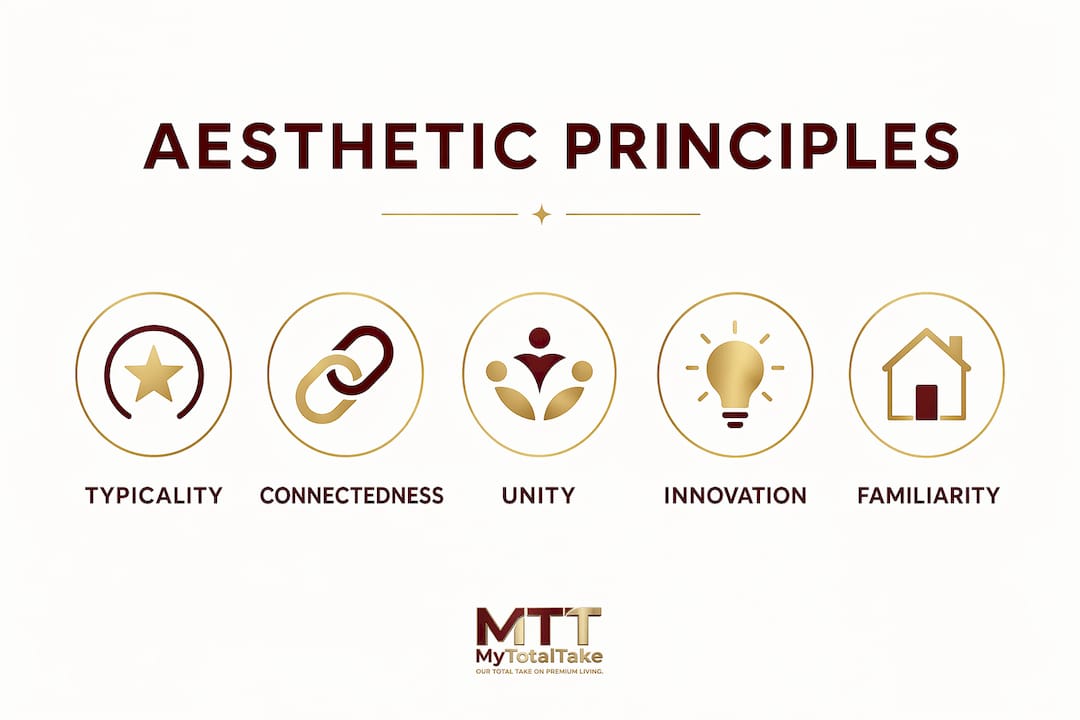
Connectedness refers to social attachment. Does the device signal belonging to a group or lifestyle the consumer aspires to? This is why premium materials like brushed aluminum and Gorilla Glass carry weight beyond their functional properties. They communicate membership in a world of quality.
Unity is visual coherence. Every element of the device, from port placement to button texture to display bezel width, should feel like it belongs to the same design language. Fragmented design signals poor craftsmanship, even when the internals are excellent.
Designer Naoto Fukasawa frames this philosophy precisely:
“Poetic observation means watching how people live and creating objects that fit so naturally into that life that they become long-term personal accessories rather than disposable devices.”
The practical implication is clear. Balancing visual coherence and familiarity reduces aesthetic risk and increases consumer acceptance, especially in categories where technology is constrained by form factor.
| Design approach | Consumer response | Example |
|---|---|---|
| Radical novelty | Confusion, hesitation, low adoption | First-gen Google Glass |
| Familiar form, refined details | High acceptance, perceived quality | iPhone 15 Pro |
| Coherent visual language throughout | Trust, brand loyalty | Sony WH-1000XM series |
| Fragmented, inconsistent styling | Perceived cheapness, low attachment | Generic Android tablets |
The lesson is not to avoid innovation. The lesson is that innovation succeeds best when it maintains categorical clarity. Consumers need to recognize what they are holding before they can fall in love with it.
How do aesthetics enhance gadget longevity, attachment, and brand identity?
“Functional anonymity” is the design failure mode that most gadgets fall into. It happens when engineers optimize purely for ergonomics and performance, producing a device that works perfectly but feels forgettable. Forgettable devices get replaced faster. Aesthetic design as a core product feature directly counters this problem.
The camera industry illustrates this with unusual clarity. Cameras with pleasing aesthetics are used more frequently because consumers enjoy carrying objects they find beautiful. Higher usage creates stronger attachment. Stronger attachment extends the product lifecycle and reduces the impulse to upgrade. A well-designed camera becomes a companion. A forgettable one becomes clutter.
Consumer purchase behavior follows a pattern researchers call the “alibi system.” Consumers buy gadgets primarily for aesthetic appeal and then rationalize the purchase by citing specs afterward. The processor speed and battery life are not the reason. They are the justification. This matters because it means brands that invest in visual identity are not pandering to vanity. They are responding to how human decision-making actually works.
The most effective aesthetic enhancements in technology fall into four categories:
- Materials: Aluminum, ceramic, and premium glass communicate durability and craftsmanship. Plastic communicates disposability, regardless of actual build quality.
- Color: Muted, considered palettes signal maturity and restraint. Loud, trend-chasing colors date quickly and reduce perceived longevity.
- Texture: Matte finishes, micro-etched surfaces, and soft-touch coatings create tactile pleasure that reinforces premium perception every time a consumer picks up the device.
- Form factor: Slim profiles, balanced weight distribution, and thoughtful port placement signal that the design team considered the full experience of ownership, not just the moment of purchase.
According to Ray Gruenfelder, as functional performance meets consumer standards, design’s emotional resonance becomes the critical differentiator in gadget success. When every phone in a category offers excellent cameras and all-day battery life, the one that feels right in the hand wins.
What are the emerging aesthetic trends shaping gadget design?
The clearest trend in gadget aesthetics right now is minimalist clarity. Consumers are moving away from feature-dense, visually busy devices toward products that feel calm and considered. This mirrors broader shifts in home decor and interior design, where technology is expected to blend into living spaces rather than dominate them.
Current trends reshaping the visual appeal of devices include:
- Natural materials: Wood accents, stone-inspired finishes, and textile-wrapped surfaces are appearing in premium speakers, smart displays, and wearables. They signal warmth and permanence in a category historically dominated by cold metal and plastic.
- Muted color palettes: Sage green, warm sand, and deep slate are replacing the silver-black binary that defined consumer electronics for two decades. These colors age gracefully and photograph well in home settings.
- Lifestyle-oriented form factors: Devices are being designed to look at home on a desk, a kitchen counter, or a bedside table. The visual appeal of wearables now functions as a trust signal. Consumers wear devices that feel like personal statements, not medical equipment.
- Reduced visual noise: Fewer logos, cleaner port arrangements, and flush buttons create a sense of intentionality that consumers associate with quality.
Wearables represent the sharpest test of these principles. The best wearables require a covenant of trust where physical design and material serve as key brand statements. A smartwatch that looks like a fashion accessory gets worn daily. One that looks like a medical monitor gets left on the nightstand.
Pro Tip: Before buying a gadget, place it mentally in the context where you will use it most. If it looks out of place in that setting, the design has failed you regardless of its specs. Aesthetic fit with your environment is a legitimate and rational purchase criterion.
The role of technology in luxury homes is accelerating this trend. Consumers who invest in premium living spaces now expect their gadgets to meet the same design standard as their furniture.
Key Takeaways
Gadget aesthetics is not decoration. It is a functional force that shapes perception, drives purchase decisions, and determines how long consumers keep and love their devices.
| Point | Details |
|---|---|
| Aesthetics shape usability perception | Visually polished devices are rated as easier and more reliable, even when specs are identical. |
| Three design principles predict acceptance | Typicality, connectedness, and unity are the strongest predictors of consumer preference in gadget design. |
| The alibi system drives purchases | Consumers choose gadgets for aesthetic appeal first and justify the choice with specs afterward. |
| Functional anonymity shortens product life | Forgettable design reduces attachment and accelerates replacement cycles. |
| Lifestyle fit is the new differentiator | As performance reaches parity across brands, emotional and aesthetic resonance determines which device wins. |
Aesthetics deserve more credit than the spec sheet gives them
I have spent years watching consumers agonize over processor benchmarks and megapixel counts, then walk out of a store with the phone that simply felt right in their hand. The spec sheet is a comfort blanket. The design is the actual decision.
What strikes me most is how reluctant the tech industry has been to admit this openly. Brands like Apple built empires on it, but the broader market still treats aesthetics as a finishing touch rather than a foundational brief. That is a mistake. When a device looks considered, consumers feel considered. That feeling is worth more than any single hardware upgrade.
The next frontier is not thinner bezels or faster chips. It is emotional resonance at the material level. Designers like Naoto Fukasawa are pointing toward a future where gadgets feel like heirlooms rather than quarterly releases. That is the standard worth holding.
My honest advice: stop apologizing for choosing a device because it is beautiful. You are not being shallow. You are responding to design that was built to earn your trust. Become a curator of your own technology. Choose devices that resonate with how you actually live, not just what the benchmark sites rank highest.
— Lysander
Where design and lifestyle meet in your home
The same principles that make a gadget worth keeping apply to every object in your living space. When technology and decor share a design language, the result is a home that feels intentional from every angle.

Mytotaltake curates premium gadgets and home furnishings selected for exactly this reason. Whether you are looking for smart home upgrades that hold their visual weight in a refined interior, or guidance on how design impacts luxury decor, the collections at Mytotaltake are built around the belief that beautiful objects perform better in everyday life. Every product earns its place on the shelf and in the room.
FAQ
What is the aesthetic-usability effect in gadgets?
The aesthetic-usability effect means that visually polished devices are perceived as easier to use and more reliable, even when their functionality is identical to less attractive alternatives. This perception directly influences user satisfaction and long-term attachment.
Why do consumers buy gadgets for looks over specs?
Research identifies this as the “alibi system,” where aesthetic appeal drives the purchase decision and technical specifications serve as post-choice justification. Emotional and visual resonance consistently outweigh raw performance data in the moment of decision.
What design principles matter most in gadget aesthetics?
Typicality, connectedness, and unity are the three strongest predictors of consumer acceptance in gadget design. Devices that look recognizably like their category, signal social belonging, and maintain visual coherence across all elements earn the highest preference ratings.
How do aesthetics affect how long consumers keep a gadget?
Devices with strong aesthetic appeal are used more frequently and generate deeper emotional attachment, which extends the product lifecycle. Functional anonymity, the result of design that ignores visual appeal, accelerates replacement cycles because forgettable objects are easier to discard.
Are aesthetic trends in electronics changing in 2026?
Yes. The dominant shift is toward minimalist clarity, natural materials, muted color palettes, and lifestyle-oriented form factors. Consumers increasingly expect gadgets to blend into premium living environments rather than stand apart from them as purely utilitarian objects.








Leave a comment