
How to Integrate Tech Gadgets in Home Decor

Most homeowners know the frustration: you invest in a beautiful living room, then a tangle of cables and black plastic boxes quietly dismantle the whole effect. Learning how to integrate tech gadgets in home decor is less about hiding everything and more about making deliberate choices from the start. The difference between a home that feels polished and one that feels like a showroom floor comes down to planning, product selection, and a few design principles that most people never hear about. This guide covers all of it.
Table of Contents
- Key Takeaways
- How to integrate tech gadgets in home decor: start with a plan
- Choosing gadgets that work with your decor
- Practical ways to hide or highlight your tech
- Room-by-room styling ideas for tech
- Avoiding the most common integration mistakes
- My honest take on tech and decor
- Curate your space with premium guidance
- FAQ
Key Takeaways
| Point | Details |
|---|---|
| Plan before you purchase | Defining your smart home ecosystem first prevents compatibility issues and design clutter. |
| Apply the 70/30 rule | Keep 70% of each room gadget-free and let 30% showcase tech accents for a warm, inviting feel. |
| Choose gadgets with premium finishes | Minimalist and neutral-finish devices blend naturally into decor instead of fighting it. |
| Use concealment strategies | Charging drawers, flush-mount speakers, and recessed devices eliminate visual noise. |
| Style room by room | Each space has unique needs; tailor your tech choices to the function and mood of every room. |
How to integrate tech gadgets in home decor: start with a plan
The most common mistake is purchasing smart devices without any design considerations. You end up with a Google Nest Hub on the kitchen counter, an Amazon Echo in the hallway, and an Apple HomePod in the bedroom, and none of them speak to each other or to your interior. Before you buy a single device, answer two questions: What ecosystem will anchor your home? And what do you actually want your home to do?
The three dominant ecosystems are Apple HomeKit, Google Home, and Amazon Alexa. Each has strengths. HomeKit prioritizes privacy and pairs naturally with households already using Apple devices. Google Home excels at search-based responses and works well across Android environments. Alexa has the widest device compatibility. Pick one and build around it. Defining your ecosystem early prevents the brand mix frustration that derails so many smart home setups.
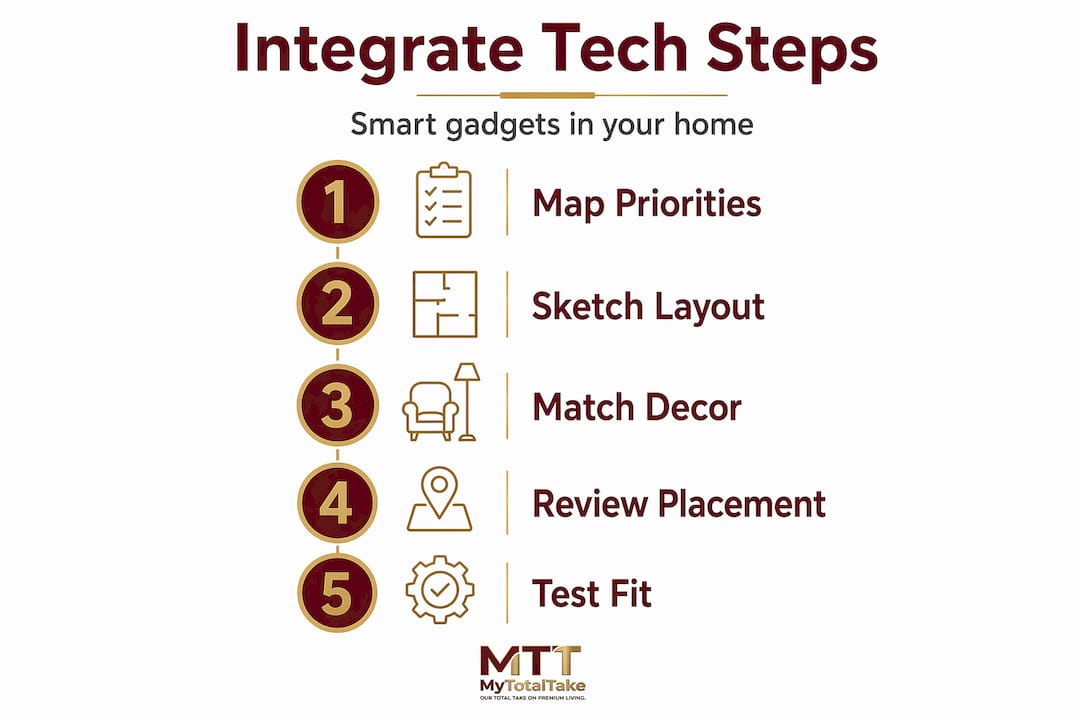
Once your ecosystem is chosen, map your priorities across three categories:
- Convenience: Automated lighting, smart locks, and voice-controlled entertainment
- Security: Cameras, motion sensors, and smart doorbells
- Ambiance: Color-tunable lighting, smart speakers, and display devices
With priorities mapped, sketch a loose tech layout. Note where power sources are, which walls are featured walls, and which areas need to stay visually clean. This layout becomes your purchasing filter. If a gadget does not fit the layout or the ecosystem, it does not come home.
Pro Tip: Before buying any new device, hold up a piece of cardboard the same size in its intended spot. If it visually crowds the space, reconsider placement or scale.
Choosing gadgets that work with your decor
The phrase “best gadgets for home design” sounds obvious until you realize how few people actually shop for aesthetics alongside specs. Most tech buyers compare processor speeds and app ratings. Design-forward buyers also ask: what finish does this come in, how large is the form factor, and what does it look like when it is off?
Look for devices with these qualities:
- Minimalist profiles: Flat, wall-hugging designs like the Samsung Frame TV, which transforms any wall into a gallery-worthy focal point when displaying art in standby mode
- Neutral or warm finishes: Matte white, warm gray, brushed brass, and soft black all integrate more naturally than glossy primary colors
- Purposeful scale: A speaker that is too large for a side table does not become less dominant because it sounds great
The E-Ink “de-noising” trend is worth knowing about. E-Ink displays produce low-glare, static visuals that read like framed prints rather than screens. Some run on passive NFC power, meaning no cord and no standby glow. These devices sit on shelves and surfaces without demanding attention, which is exactly what refined interiors require.
| Device type | Best decor match | Finish to prioritize |
|---|---|---|
| Smart thermostat | Minimalist walls, neutral palettes | Brushed metal or matte white |
| Art-style TV | Living rooms with gallery walls | Frame-like border, no bezel |
| E-Ink display | Bookshelves, desks, bedside tables | Natural wood, matte neutral |
| Robot vacuum | Open floor plans | Warm metallic, low-profile form |
| Flush-mount speaker | Ceilings or accent walls | Painted to match surface |
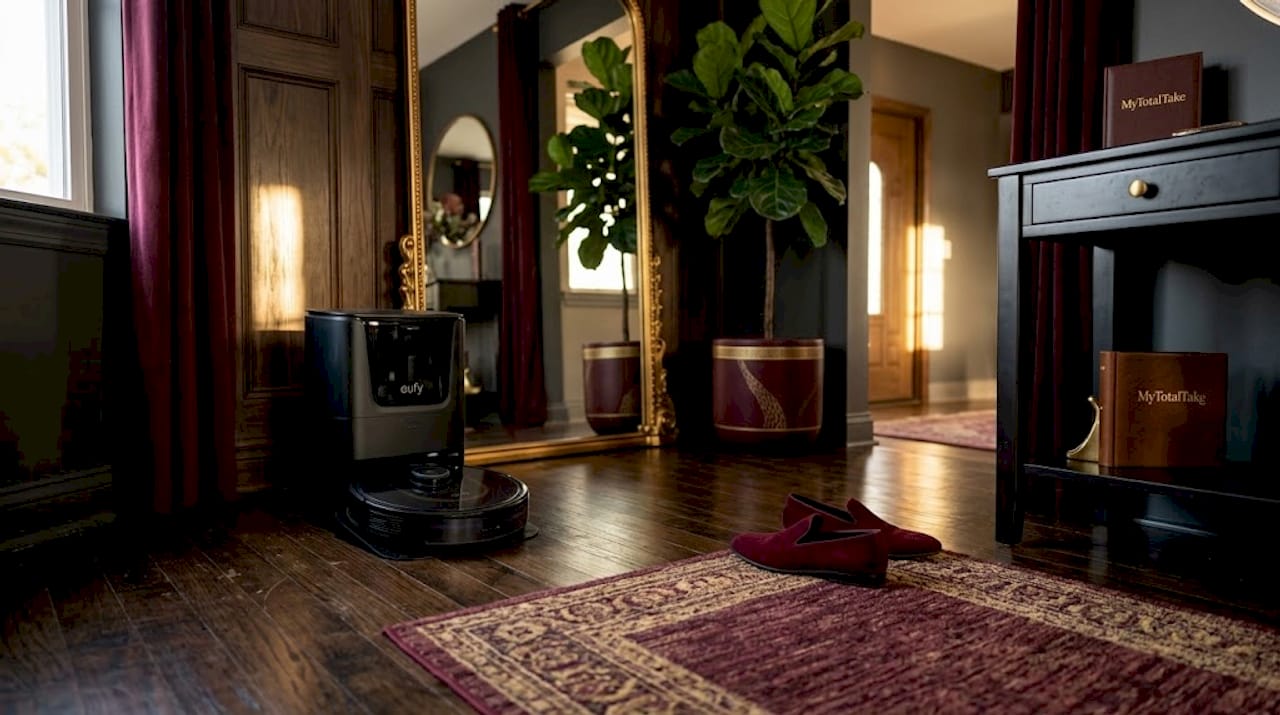
A standout example of modern tech in interiors done well is the Eufy Omni S2. Its warm metallic finish and integrated fragrance diffuser make it something you might actually want visible on your floors rather than tucked in a utility closet. That is the shift happening across premium gadget design right now.
Pro Tip: Search for a gadget’s “off state” appearance before purchasing. A device that looks intentional when not in use is always the better design choice.
Practical ways to hide or highlight your tech
Using electronics in decor is not only about what you show. It is equally about what you strategically conceal. These two approaches work together, and the ratio matters.
The 70/30 rule is the clearest framework for this balance. Seventy percent of any room should maintain a traditional, gadget-free aesthetic. Thirty percent can incorporate visible smart features. This prevents the cold, lab-like feeling that overtakes homes where tech is everywhere and dominant.
Here is a practical installation sequence to follow:
- During any remodel or renovation, run high-speed data cables inside walls and locate your central hub in a closet or basement. You will never have a better opportunity to eliminate surface wiring.
- Install flush-mount speakers in ceilings or walls rather than placing bookshelf speakers on furniture. The audio quality is often comparable, and the visual footprint drops to near zero.
- Add a charging drawer to your kitchen island or home office desk. A charging drawer with USB ports keeps counters clear and devices safe from spills and heat.
- Use appliance garages in kitchens. These dedicated cabinet sections with tambour or lift-up doors house small appliances and close completely when not in use.
- Mount smart speakers and voice assistants high on walls rather than placing them at eye level on surfaces. They are heard, not seen.
- Choose smart furniture with integrated wireless charging pads built into tabletops. These eliminate the charging cable entirely at the surface level.
Pro Tip: The 3-5-7 rule from traditional interior design applies to tech too. Group devices in odd-numbered clusters when they must be visible, varying height and scale for a curated rather than cluttered effect.
Room-by-room styling ideas for tech
Each room in your home has a different emotional purpose, and your smart home decor ideas should reflect that. A bedroom calls for quiet, invisible tech. A living room can handle a statement piece. A kitchen needs function above all else.
Kitchen: The kitchen is the highest-traffic tech zone in most homes. The priority here is keeping counters clear. Invest in kitchen design concepts that incorporate tech-ready spaces from the start, including dedicated appliance garages, under-cabinet lighting strips, and built-in charging zones. A smart display mounted on the underside of a cabinet frees up counter space entirely.
Living room: This is where can tech improve home aesthetics becomes a genuine yes. An art-style TV like the Samsung Frame is invisible when off and gallery-worthy when on. Pair it with flush-mount surround speakers and a smart lighting system that shifts color temperature automatically at sunset. The technology disappears into the experience.
Bedroom: The bedroom is where restraint pays the highest dividend. A smart lighting system with automated scenes for sleep and wake replaces three separate devices with one app. A discreet voice assistant mounted to the wall near the nightstand handles everything else without a screen demanding your attention at 2 a.m.
Laundry: The laundry room is often overlooked in style planning, but products like the Samsung Bespoke AI Laundry Combo show how far appliance design has come. Voice control via Bixby, AI energy modes, and a 68-minute wash and dry cycle come in a design-forward casing that fits a considered interior.
For every room, use smart home upgrades that align with the room’s existing palette and furniture weight. A heavy, rustic living room does not pair well with ultra-modern matte-black gadgets. A minimalist bedroom does not need a smart speaker the size of a wine bottle.
Avoiding the most common integration mistakes
Even well-intentioned smart home setups unravel. These are the patterns worth watching for:
- Overloading one zone: Placing a smart display, a voice assistant, a streaming device, and a smart bulb controller all within a few feet of each other creates visual noise that no amount of styling can fix
- Skipping compatibility testing early: Not all devices work smoothly across ecosystems, even when they claim to. Test your core devices together before purchasing supplementary ones
- Ignoring mesh Wi-Fi coverage: A smart device on a weak signal becomes a frustration device. A solid mesh network is the invisible infrastructure your entire setup depends on
- Treating tech as permanent: Your layout and needs will change. Build flexibility into your setup from the start by using wall-mount solutions that allow repositioning and furniture that does not lock devices into fixed locations
“The goal is a home that functions brilliantly and feels warm. Technology should serve that feeling, not compete with it.”
Maintain the balance between invisible and visible tech by doing a quarterly walk-through. Ask yourself whether anything looks out of place, outdated, or like it arrived by accident. If the answer is yes, reorganize before adding anything new.
My honest take on tech and decor
I have spent years reviewing smart home setups, and the pattern I keep seeing is this: people buy gadgets for their features and then wonder why their home feels like a tech store. The features are not the problem. The sequence is.
What I have learned is that the most beautiful tech-integrated homes treat every gadget purchase as a decor decision first and a technology decision second. When I walk into a space where the lighting shifts subtly at dusk, the floors stay clean without a device in sight, and the TV looks like a framed painting until the moment it turns on, I am seeing the result of deliberate planning. Not luck.
The invisible tech trend is not a passing style preference. It reflects something true about how we want to feel in our homes. We want warmth. We want calm. We want things to work without reminding us constantly that they are working. The 70/30 rule captures that instinct in a number for anyone who prefers a clear benchmark to a feeling.
What most homeowners overlook is the difference between adding tech to a finished room versus designing the room with tech in mind from the start. The second approach is always cleaner, always more elegant. If you are mid-design on any room right now, that is the window to get the wiring, the mounting, and the concealment right before the furniture arrives.
— Lysander
Curate your space with premium guidance
If you are ready to move beyond generic smart home advice and into a genuinely considered living space, Mytotaltake has built a library of resources specifically for discerning homeowners. From luxury home decor strategies that align with premium tech integration to elegant decor ideas that frame the right context for your gadgets, the guidance is as curated as the products.

The best smart home is not the one with the most devices. It is the one where every device was chosen with the same care as a piece of furniture. Mytotaltake helps you build exactly that kind of space, whether you are starting fresh or refining what you already have. Explore the full collection of hidden kitchen design tips and premium home content to take your next step with confidence.
FAQ
What is the 70/30 rule in smart home decor?
The 70/30 rule means keeping 70% of a room gadget-free with traditional decor while allowing 30% to incorporate visible smart features, preventing a cold or tech-heavy appearance.
How do I hide tech gadgets without losing functionality?
Use charging drawers, appliance garages, flush-mount speakers, and recessed wall mounting to conceal devices while keeping them fully accessible. Running cables inside walls during any renovation is the single most effective long-term solution.
Can tech actually improve home aesthetics?
Yes, when chosen deliberately. Art-style TVs, E-Ink displays, and premium-finish appliances like the Eufy Omni S2 are designed to complement rather than disrupt a refined interior.
Which smart home ecosystem is best for stylish integration?
There is no single answer, but choosing one ecosystem and building around it consistently prevents the clutter and compatibility issues that make many smart homes feel disjointed. Apple HomeKit suits privacy-focused households; Google Home works well across Android; Alexa offers the widest device range.
How do I style tech gadgets in the bedroom without disrupting the decor?
Prioritize devices with no standby glow, small form factors, and wall-mount options. A smart lighting system with automated scenes handles most bedroom needs without requiring visible hardware on every surface.
Recommended
7 Best Modular Sofa Layouts for Apartments
Luxury Furniture That Actually Earns Its Place
Comments
[…] visually busy devices toward products that feel calm and considered. This mirrors broader shifts in home decor and interior design, where technology is expected to blend into living spaces rather than dominate […]







Leave a comment