
Review Stainless Steel Espresso Machine Picks
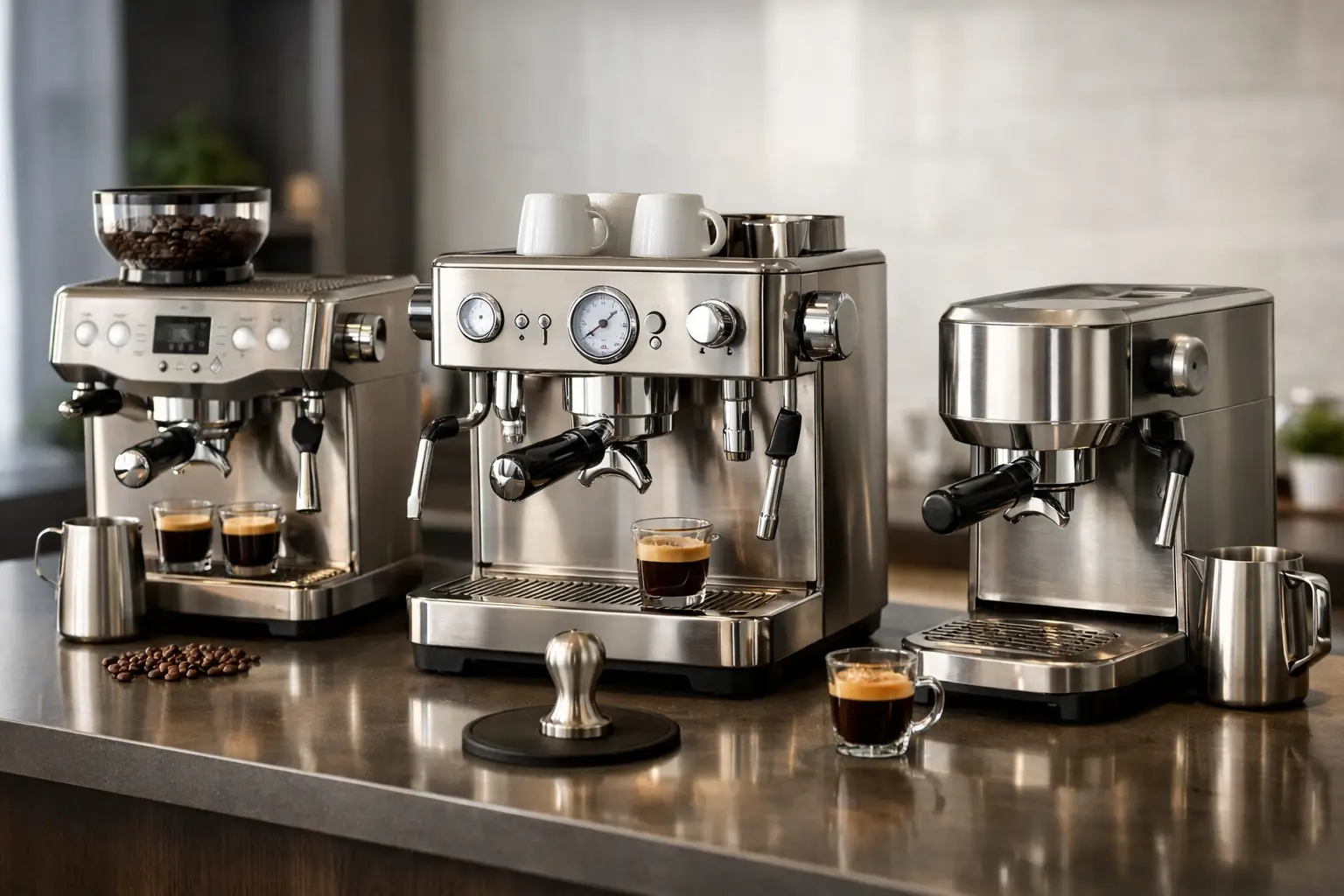
A stainless steel espresso machine earns attention before it even pulls a shot. It sits on the counter like a design choice, not just an appliance, and for many buyers that visual presence matters almost as much as the espresso itself. In this review stainless steel espresso machine guide, the real question is not whether steel looks premium – it does. The question is whether the material actually improves performance, durability, and long-term value enough to justify the higher spend.
Why a stainless steel espresso machine stands out
There is a reason premium espresso machines so often arrive wrapped in brushed or polished steel. Stainless steel signals craftsmanship, but it also serves a practical role in a high-heat, high-moisture environment. Compared with plastic-heavy bodies, steel tends to feel more stable, resist cosmetic wear better, and hold up more gracefully in a kitchen that sees daily use.
That said, stainless steel is not a magic shortcut to cafe-level results. A beautiful machine can still have inconsistent temperature control, a weak steam wand, or limited pressure stability. Material quality matters, but internal engineering matters more. The best buying decision comes from seeing stainless steel as one part of the total package – not the whole story.
For style-conscious shoppers, there is another advantage. Stainless steel bridges modern, transitional, and professional-inspired kitchens with unusual ease. It pairs well with stone counters, dark cabinetry, matte black accents, and minimalist spaces. If your goal is to elevate the look of your coffee station while investing in something built to last, this category makes sense.
Review stainless steel espresso machine features that matter most
The outer shell is the first thing you notice, but the day-to-day experience comes down to performance details. When you review stainless steel espresso machine options, start with temperature consistency. Espresso is unforgiving, and even small fluctuations can flatten sweetness or exaggerate bitterness. Machines with better thermal stability produce shots that taste more balanced and repeatable.
The next factor is the boiler or heating system. Single-boiler machines are often more compact and approachable in price, but they require a pause between brewing and steaming. Heat exchanger and dual-boiler models feel more luxurious because they let you brew espresso and texture milk with less waiting. If cappuccinos or flat whites are part of your routine, that convenience can quickly justify the upgrade.
Steam power deserves closer attention than many first-time buyers give it. A stainless steel machine may look commercial, yet still produce underwhelming microfoam if the steam system is underpowered. If you want a velvety latte rather than airy, oversized bubbles, look for machines known for quick steam recovery and fine control.
Portafilter size also affects the experience. A standard 58 mm portafilter usually offers more accessory compatibility and a more serious espresso workflow. Smaller pressurized systems can be easier for beginners, but they often limit how much you can refine your shots as your skill improves.
Build quality is more than surface appeal
One of the strongest arguments for stainless steel is longevity. A well-built machine with steel panels, solid switches, a substantial portafilter, and tight assembly simply feels different. It tends to vibrate less, stay planted on the counter, and inspire more confidence during daily use.
Still, not every stainless steel espresso machine is equally premium. Some use thin exterior panels over modest internal parts. Others combine steel housing with cheaper plastic components in high-contact areas. That does not automatically make them bad buys, but it changes the value equation. You are not just buying finish – you are buying the quality of the full interaction, from the group head to the drip tray.
Water reservoir design is another overlooked detail. A machine can look exquisite yet become frustrating if the tank is awkward to remove under low cabinets. Likewise, a gorgeous polished exterior may show fingerprints quickly. Brushed stainless steel tends to be more forgiving for busy kitchens and often feels more quietly luxurious.
Performance trade-offs to know before you buy
The most useful review is not the one that says every stainless steel machine is worth it. It is the one that admits the trade-offs.
First, stainless steel models are often heavier. That can be excellent for stability, but less ideal if you frequently move appliances or live in a smaller apartment with limited counter flexibility. Second, they usually cost more than plastic-bodied alternatives with similar core specs. In some cases, you are paying for durability and design. In others, you are paying mostly for appearance.
There is also the maintenance factor. Stainless steel is relatively easy to wipe down, but it still shows water spots, coffee splashes, and fingerprints. If you love a pristine countertop aesthetic, you may need to clean it more often than you expect. The reward is a machine that continues to look sophisticated over time, especially when cared for properly.
Noise can vary as well. Material alone does not determine sound, but many buyers assume a heavier steel machine will always feel quieter and smoother. Sometimes that is true. Sometimes the pump and internal layout still produce more noise than expected. If a calm morning routine matters, it is worth paying attention to user feedback around operation volume.
Who should buy a stainless steel espresso machine
If your espresso machine is part of a larger effort to refine your kitchen, this category is easy to justify. Stainless steel machines suit buyers who care about design, want a more substantial feel, and expect their appliances to perform well for years rather than a season. They also make sense for households where coffee is not an occasional indulgence but a daily ritual.
They are especially appealing to shoppers who want their purchase to feel curated rather than purely practical. A premium espresso machine changes the atmosphere of a space. It creates a more intentional morning routine, turns the coffee corner into a focal point, and offers the small luxury of cafe-style drinks at home.
For casual users, though, the calculation can be different. If you make a simple shot once or twice a week and have little interest in dialing in grind size, milk texture, or extraction time, a less expensive machine may serve you perfectly well. Stainless steel is best appreciated when the machine is used enough for its design and durability benefits to matter.
How to judge value in a review stainless steel espresso machine search
Value is where many shoppers get stuck. A higher price can reflect better components, better temperature control, and stronger longevity – or it can mostly reflect styling. The key is to look at what the premium actually buys you.
If the machine includes a solid tamper, a professional-size portafilter, responsive controls, strong steam performance, and a build that feels genuinely substantial, the investment becomes easier to defend. If it simply has a steel shell and little else, the premium may be harder to justify.
It also helps to think beyond the first month. A machine that performs consistently, cleans up easily, and still looks striking a year later often offers better value than a cheaper option that begins to feel flimsy or dated quickly. For many homeowners and apartment dwellers alike, that long-view approach leads to smarter purchases.
This is where a curated retailer can make the process less overwhelming. Instead of sorting through endless lookalikes, shoppers can focus on designs that balance aesthetics, function, and dependable craftsmanship – the kind of selection that aligns naturally with a premium home environment.
Final take on stainless steel espresso machines
A stainless steel espresso machine is rarely just about coffee. It is about how you want your kitchen to feel, how much consistency you expect in the cup, and whether daily rituals deserve better tools. The best models deliver on all three fronts: elevated design, reliable performance, and lasting satisfaction.
If you are choosing carefully, do not let the finish alone persuade you. Look for thoughtful engineering beneath the polished exterior, and buy the machine that fits both your taste and your routine. When those two meet, the result feels less like another appliance and more like a lasting upgrade to the way you live.








Leave a comment