
Designer Furniture Maintenance Guide for Lasting Beauty
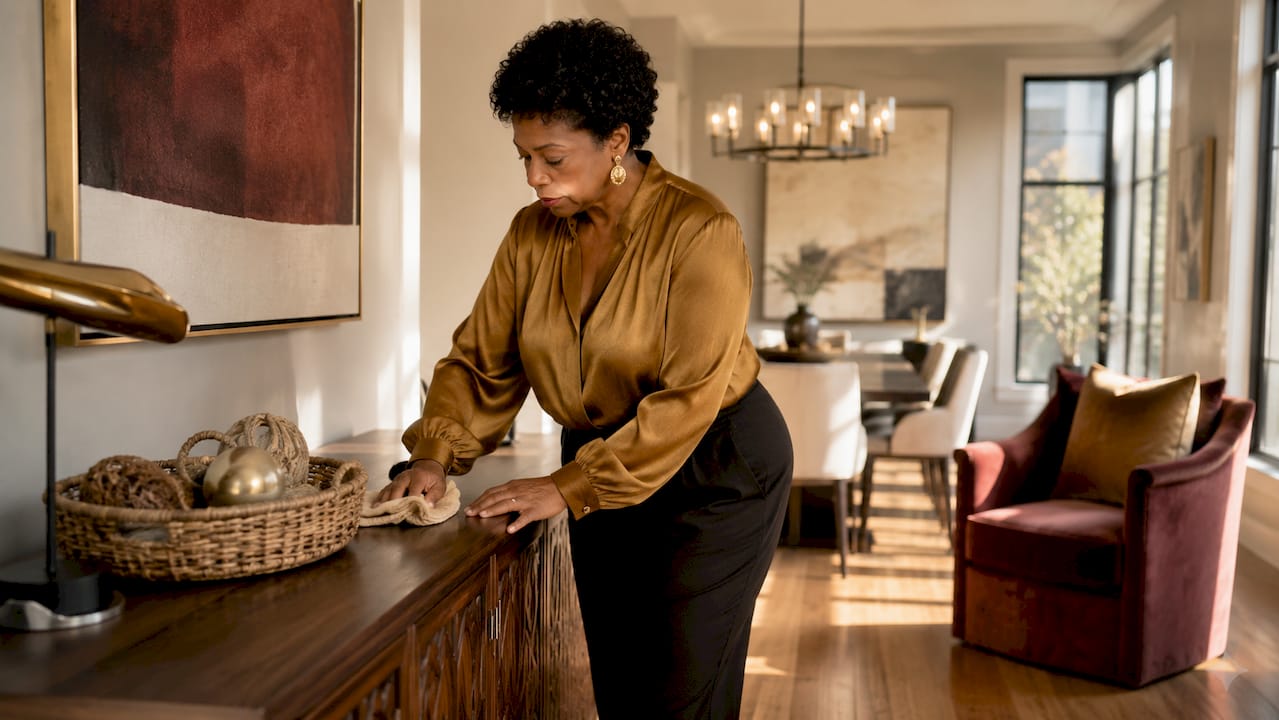
Designer furniture maintenance is defined as the combination of daily care routines and periodic professional upkeep that preserves both the appearance and structural integrity of high-end pieces. A well-executed guide to maintaining designer furniture covers far more than occasional cleaning. It addresses material-specific techniques, environmental controls, and the professional services that protect your investment over decades. The difference between a piece that ages beautifully and one that deteriorates within a few years almost always comes down to consistency of care. Proper upkeep of luxury furniture is not complicated, but it does require the right knowledge applied at the right time.
What daily routines and environment controls optimize designer furniture care?
The single most effective daily habit for protecting designer furniture is dust removal. Daily dust accumulation acts as a fine abrasive against delicate finishes, slowly dulling lacquers, waxed surfaces, and fabric weaves. Removing it each evening takes under two minutes and extends finish durability measurably.
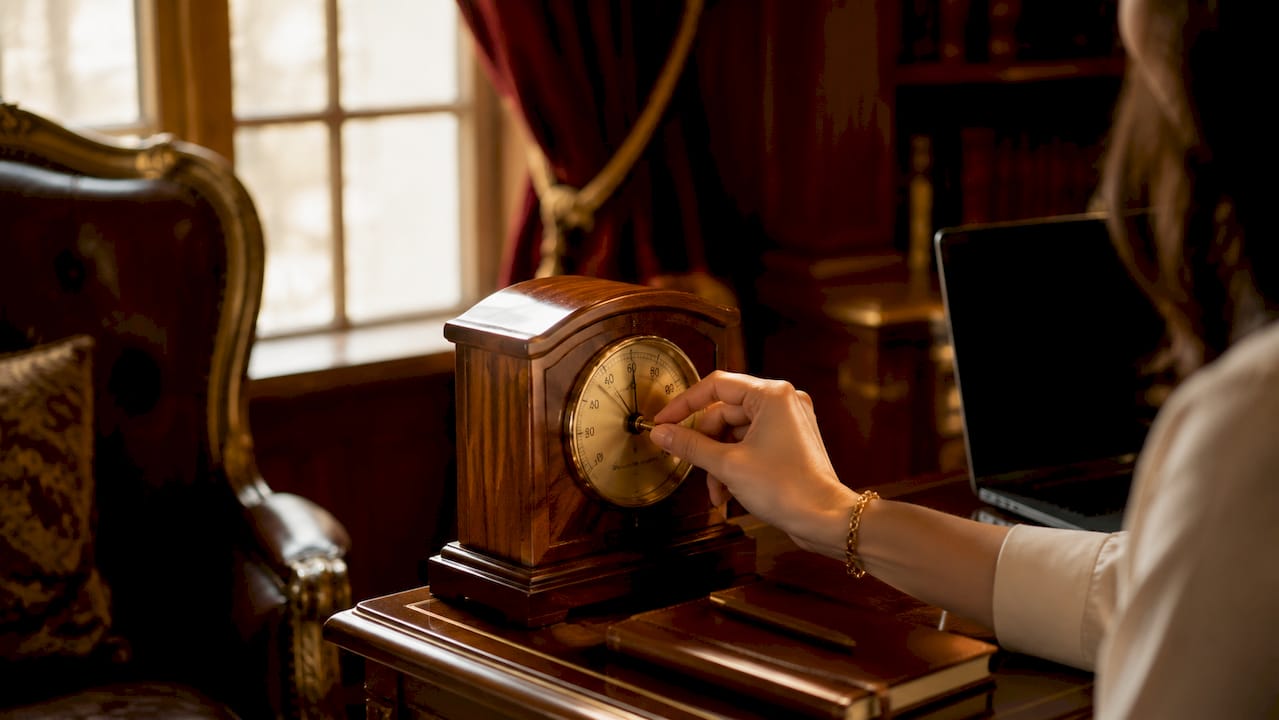
Environmental control is the second pillar of daily care. Wood furniture requires a humidity level between 30% and 50% to prevent cracking or warping. That range matters because wood is hygroscopic. It expands in humid conditions and contracts in dry ones. A simple digital hygrometer, available at most hardware stores, lets you monitor your rooms without guesswork.
Placement decisions protect furniture before any cleaning product touches it. Keep pieces away from radiators, fireplaces, and air conditioning vents. Direct sunlight fades upholstery and bleaches wood finishes within months. Positioning a sofa or dining chair even two feet from a south-facing window makes a visible difference over a single season.
Cushion rotation is a habit most owners skip until they notice uneven wear. Flipping and rotating cushions every six months distributes both wear and sunlight exposure evenly across the fabric. For pieces with fixed cushions, rotate the entire furniture position if the room layout allows.
- Dust with a lint-free microfiber cloth every evening
- Keep indoor humidity between 30% and 50%
- Position pieces away from heat sources and direct sunlight
- Rotate loose cushions every six months
- Use felt pads under decorative objects to prevent surface scratches
Pro Tip: Set a two-minute evening routine: one pass with a microfiber cloth across all exposed surfaces. Pairing this with a daily cleaning rhythm makes the habit automatic and keeps finishes looking showroom-fresh year-round.
How to clean wood, upholstery, leather, and natural fiber designer furniture
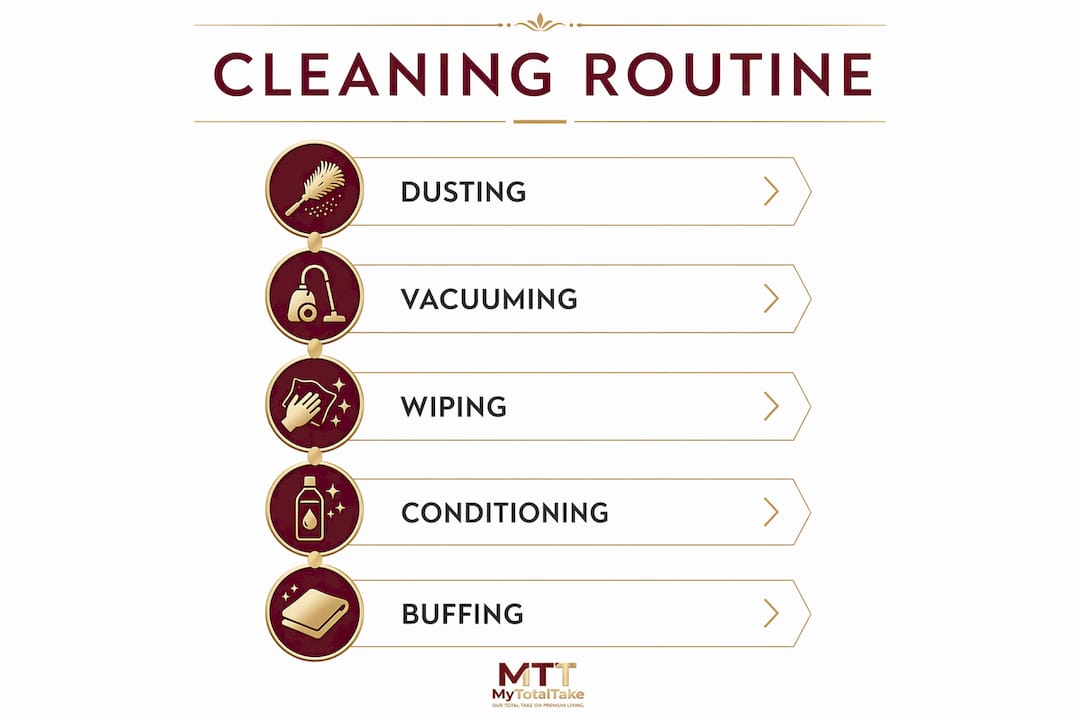
Each material in a designer piece demands a different approach. Using the wrong product on the wrong surface causes permanent damage. The following methods reflect best practices for the four most common material categories found in high-end furniture.
Wood surfaces
- Dust first with a dry microfiber cloth, moving with the grain.
- For deeper cleaning, dampen a second cloth lightly with water and wipe gently. Never saturate the surface.
- Dry immediately with a clean cloth to prevent moisture absorption.
- Apply a furniture wax or conditioning oil every three to six months, depending on the finish type. Matte finishes need oil; lacquered surfaces prefer wax.
- Avoid silicone-based polishes. They create buildup that clouds the finish over time.
Upholstery
Vacuum upholstered surfaces weekly using a low-suction brush attachment. For stains, blot immediately with a clean white cloth. Never rub. Rubbing spreads the stain and pushes it deeper into the fiber. Use a fabric-specific cleaner applied to the cloth first, not directly to the fabric. Schedule professional cleaning once every 12 to 18 months for pieces in daily use.
Leather
Leather care follows a three-step cycle: wipe, condition, and buff. Use a damp cloth to remove surface dust and oils. Apply a leather conditioner sparingly. A pea-sized amount per section, left for 15 minutes before buffing, produces an even sheen without a greasy finish. Over-conditioning is a real risk. Excess product clogs the leather’s pores and leads to a tacky surface that attracts more dirt.
Pro Tip: Test any new cleaning or conditioning product on a hidden area first, such as the underside of a cushion or the back panel of a chair. Wait 24 hours before applying it to visible surfaces.
Natural fibers and rattan
- Dust weekly with a soft brush or low-suction vacuum
- Wipe with a barely damp cloth for deeper cleaning
- Dry thoroughly to prevent mold in the weave
- If a fiber snags, snip it cleanly with scissors. Never pull it. Pulling unravels the weave and causes irreversible damage
- Keep rattan away from prolonged moisture exposure, which weakens the fiber structure
Cleaning high-end furniture made from natural fibers requires patience. These materials are forgiving when treated gently and fragile when treated carelessly.
When and why should you seek professional maintenance services?
Professional maintenance is not a luxury add-on. It is the part of a furniture care guide that most owners underestimate until a piece shows visible decline. Professional upholstery maintenance costs an average of $184 to $288 per session as of 2026. That figure represents a fraction of the replacement cost for a designer sofa or armchair, which makes it a sound investment in longevity.
Professionals bring tools and knowledge that no DIY kit replicates. A trained upholstery cleaner begins with a fabric assessment that identifies fiber type, dye stability, and the age of the material. That assessment determines which cleaning method is safe. Applying steam to a dye-unstable silk, for example, causes irreversible color bleeding. A professional catches that risk before touching the fabric.
Signs that professional care is needed include:
- Stains that have set for more than 48 hours
- Fabric that feels stiff or looks matted after home cleaning
- Wood finishes that appear cloudy or show white rings
- Leather that has dried, cracked, or developed uneven color
- Structural issues such as loose joints or sagging seat bases
Wood refinishing is another professional service worth scheduling every five to ten years for heavily used pieces. A skilled craftsperson can strip and reapply a finish without altering the original design. That process restores the piece to near-original condition and adds decades to its life. For premium home enhancement, combining annual professional upholstery cleaning with periodic wood refinishing creates a maintenance schedule that keeps every piece performing at its best.
What common mistakes to avoid in designer furniture upkeep?
The most damaging errors in furniture care are also the most common. Knowing them in advance protects pieces that took years to select and acquire.
- Applying products directly to surfaces. Excess water or household cleaners applied directly cause permanent water spots, ring marks, and dye bleeding. Always apply any product to a cloth first, then to the surface.
- Rubbing spills instead of blotting. The first minute after a spill determines whether a stain becomes permanent. Blot with a clean white cloth. Rubbing spreads the stain and embeds it in the fiber.
- Using all-purpose household cleaners. These products contain surfactants and solvents that strip protective oils from fine woods and leathers. The result is clouding, cracking, and long-term surface damage.
- Storing leather in plastic. Plastic traps moisture and creates the conditions for mold growth. Use breathable cotton dust bags for any leather piece in storage.
- Over-conditioning leather. More conditioner does not mean better protection. Excess product blocks the leather’s pores and creates a sticky surface.
- Dusting with paper towels. Paper towels carry microscopic wood fibers that scratch delicate finishes. Lint-free microfiber cloths are the correct tool for every surface type.
“The most expensive mistake is not neglect. It is using the wrong product with confidence.”
Pro Tip: Keep a dedicated furniture care kit in one location: a lint-free microfiber cloth, a material-specific cleaner, and a leather conditioner. Having the right tools within reach makes correct care the path of least resistance.
Key Takeaways
Consistent daily care combined with periodic professional maintenance is the most reliable method for preserving designer furniture across decades.
| Point | Details |
|---|---|
| Daily dusting is non-negotiable | Use lint-free microfiber cloths each evening to prevent abrasive buildup on delicate finishes. |
| Humidity control protects wood | Keep indoor humidity between 30% and 50% to prevent cracking and warping of premium wood pieces. |
| Material-specific cleaning prevents damage | Apply the correct method for each surface: wax for lacquered wood, conditioning for leather, blotting for upholstery. |
| Professional care is cost-effective | At $184 to $288 per session, professional upholstery cleaning costs far less than replacing a damaged designer piece. |
| Wrong products cause permanent harm | All-purpose cleaners strip protective oils from wood and leather. Always use material-specific products applied to a cloth first. |
Why I think most owners are one bad habit away from ruining a great piece
After years of observing how people treat their most prized furniture, I have come to one clear conclusion: the damage almost never comes from neglect. It comes from confident misuse. The owner who grabs a kitchen spray to wipe down a walnut dining table, or the one who soaks a linen sofa cushion to “really clean it,” causes more harm in 30 seconds than years of dust ever would.
The knowledge gap is the real problem. Most people treat designer furniture the way they treat mass-market pieces, applying the same products and the same logic. That approach fails because high-end materials, whether hand-stitched leather, cold-pressed rattan, or oil-finished oak, have specific tolerances that generic care ignores.
What I have found genuinely effective is treating furniture care the way you treat skincare. You would not use dish soap on your face. The same principle applies to a $3,000 leather armchair. Once you accept that each material has its own needs, the right habits follow naturally.
The sustainability angle is worth naming directly. A designer piece maintained well for 30 years has a fraction of the environmental footprint of three replacement sofas bought over the same period. Proper care is not just about aesthetics. It is about getting full value from the craftsmanship already in your home. Explore why designer furniture is worth choosing and you will see that the investment only pays off when the upkeep matches the quality.
— Lysander
Mytotaltake’s curated selection for discerning homeowners
Choosing the right furniture is only half the equation. The other half is knowing it was built to last and worth the care you put into it.

Mytotaltake curates designer pieces that earn their place in a well-kept home, selected for craftsmanship, material quality, and lasting appeal. Each piece in the collection is chosen with the long view in mind. For readers who want to go further, Mytotaltake’s premium home decor guidance pairs expert styling advice with product selections that hold their beauty over time. Whether you are furnishing a new space or refreshing an existing one, the right starting point is a piece worth maintaining.
FAQ
How often should I clean designer furniture?
Dust designer furniture daily with a microfiber cloth and perform a deeper material-specific clean monthly. Schedule professional upholstery cleaning every 12 to 18 months for pieces in regular use.
What humidity level protects wood designer furniture?
Keep indoor humidity between 30% and 50% to prevent wood from cracking or warping. A digital hygrometer placed in the room gives you an accurate, real-time reading.
Can I use all-purpose cleaners on high-end furniture?
All-purpose cleaners contain surfactants and solvents that strip protective oils from fine woods and leathers, causing clouding and cracking. Use only material-specific products applied to a cloth first.
How do I handle a spill on a designer upholstered piece?
Blot the spill immediately with a clean white cloth. Acting within the first minute prevents the liquid from setting into the fiber. Never rub, as rubbing spreads the stain and embeds it deeper.
When does leather furniture need professional care?
Leather needs professional attention when it appears dry, cracked, or shows uneven color that home conditioning does not correct. For everyday upkeep, condition with a pea-sized amount of leather conditioner per section every three to six months.









Leave a comment