
Best Shower System for Low Pressure Homes
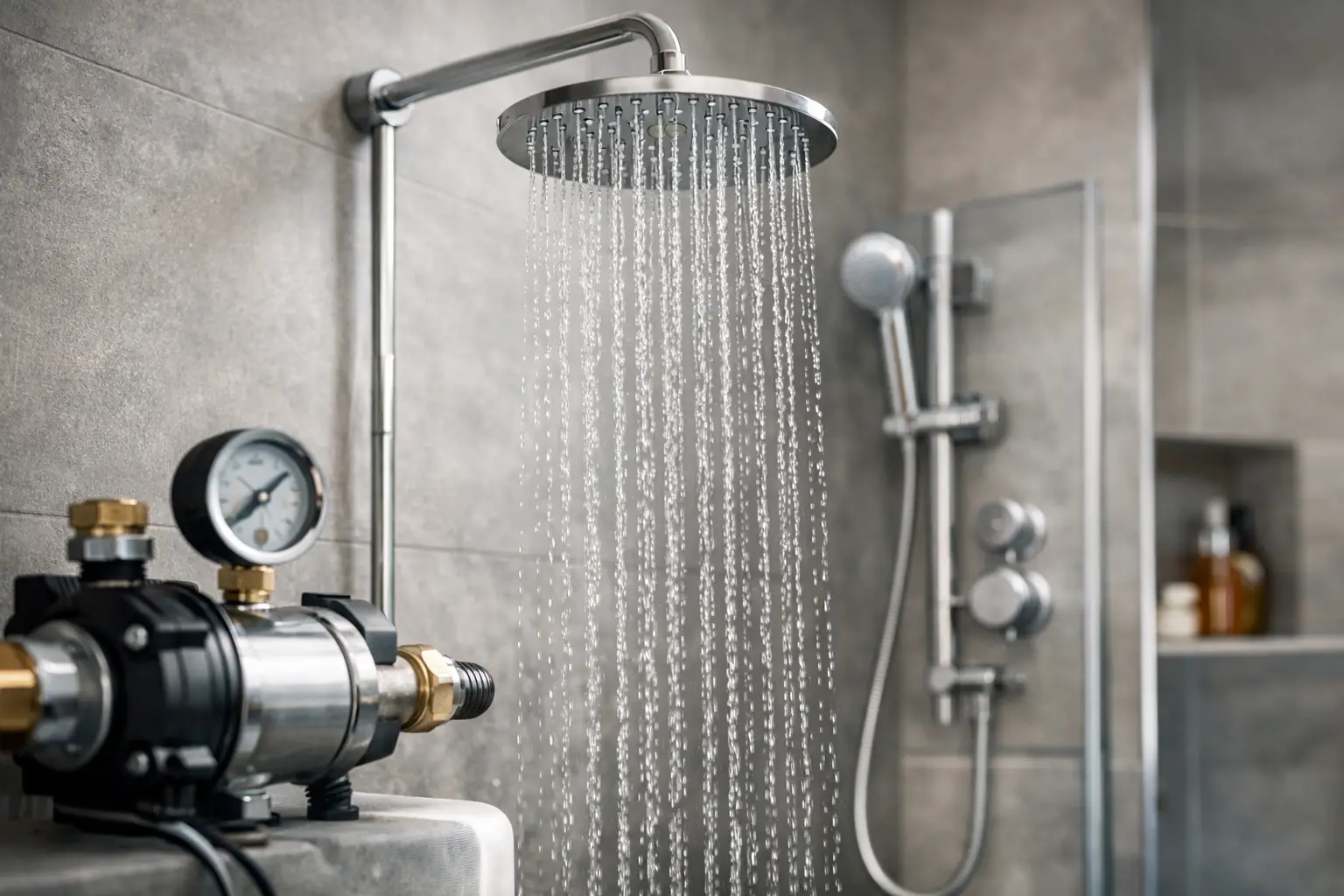
A beautiful shower fixture cannot compensate for a weak supply line, but the right one can make a modest water supply feel noticeably more composed. The best shower system for low pressure is not necessarily the largest rain head or the most elaborate wall-mounted set. It is a carefully matched combination of efficient spray engineering, sensible outlet choices, and a valve that suits your home’s plumbing.
For homeowners refining a primary bath or renters making a more considered upgrade, the goal is simple: a shower that feels enveloping rather than underwhelming. Start with how your water actually performs, then choose design features that turn every available gallon into a more satisfying experience.
First, identify the kind of low pressure you have
“Low pressure” is often used to describe several different problems. Your shower may have genuinely low incoming pressure, limited flow from a restrictive fixture, or pressure that drops only when another appliance is running. The right solution depends on which one you have.
If the bathroom sink and shower are both weak, the issue may be farther back in the plumbing system. A partly closed main shutoff, aging supply pipes, a pressure regulator issue, mineral buildup, or a well-pump setting can all reduce performance. If only the shower is weak, remove the showerhead and briefly test the flow from the shower arm. A strong stream there points to a clogged or overly restrictive showerhead rather than a house-wide pressure concern.
Pay attention to when the problem occurs. Pressure that fades while a dishwasher, washing machine, or second shower runs suggests a supply-capacity issue. A fixture change can improve the feel of the spray, but it will not create water that the plumbing cannot deliver. That distinction prevents an elegant new shower system from becoming an expensive disappointment.
What makes the best shower system for low pressure?
A refined shower system should create coverage and comfort with the water available, not demand more than the home can provide. In low-pressure settings, performance is usually better with a focused spray pattern than with oversized fixtures designed for high-volume luxury bathrooms.
Look for pressure-optimizing spray technology
Choose a showerhead engineered to produce a concentrated, energized spray. Air-induction and pressure-compensating designs can blend air into the stream or shape water through smaller nozzles, making droplets feel fuller and more consistent. The experience is more luxurious than the flow rate alone would suggest.
This does not mean selecting the most aggressive spray possible. A narrow, needle-like pattern can feel harsh, especially in a daily shower. The ideal design balances targeted force with enough width to rinse shampoo efficiently and warm the shoulders. Adjustable spray settings are valuable here, provided the primary setting is effective rather than merely decorative.
Choose a right-sized showerhead
An expansive rain showerhead is visually striking, yet it is often the wrong starting point for low pressure. Large overhead heads spread water over a broad area, which can leave the spray feeling thin when supply is limited. If you love the clean, architectural look of a rain-style fixture, consider a compact overhead head with a denser nozzle layout instead of an ultra-wide ceiling-mounted plate.
A showerhead in the 4- to 6-inch range often offers a more confident spray than a 10- or 12-inch rain head under the same conditions. This is not a rule for every home. A well-maintained plumbing system with strong supply pressure can support a larger head beautifully. But when performance is the priority, proportion matters.
Favor a handheld shower for flexibility
A high-quality handheld shower is one of the most practical upgrades for a low-pressure bathroom. It lets you bring the spray closer to where it is needed, making rinsing more efficient than standing beneath a broad, distant overhead fixture. It also adds everyday convenience for bathing children, washing pets, cleaning the shower enclosure, or accommodating mobility needs.
For a tailored look, select a coordinated system with a fixed showerhead and handheld wand on a slide bar or integrated rail. Use the fixed head for a calm, everyday rinse and the handheld for more directed performance. In a low-pressure home, this pairing often feels more luxurious than a large multi-outlet installation.
Keep the number of active outlets realistic
A shower system with an overhead head, body jets, a handheld wand, and a tub filler can create an exceptional spa-inspired setting. Yet every active outlet divides the available water. Low pressure and body jets are rarely a rewarding pairing unless the plumbing has been evaluated and upgraded to support them.
A two-function system is usually the sweet spot: a fixed head plus handheld, with a diverter that runs one function at a time. Some systems allow both to operate together, but that setting may dilute the experience in a lower-pressure home. The more elegant choice is often the one that performs beautifully every day, rather than the one with the longest feature list.
The valve matters as much as the visible trim
The showerhead earns the attention, but the valve behind the wall determines much of the experience. A quality pressure-balancing valve helps maintain a steadier temperature when water use changes elsewhere in the house. That is particularly welcome in homes where pressure already feels limited.
A thermostatic valve offers more precise temperature control and can be an excellent choice for a premium renovation. It allows you to set a preferred temperature and maintain it with less adjustment. However, a thermostatic system is not a pressure booster. It delivers polish, safety, and consistency, but it cannot correct inadequate supply on its own.
Before purchasing, confirm that the chosen valve is compatible with your plumbing configuration and the number of shower functions you intend to use. A licensed plumber can assess pipe sizing, available pressure, existing valve condition, and whether a pressure-boosting pump is appropriate. This is especially worthwhile in older homes, homes with well water, and full bathroom renovations where the walls are already open.
Finish and construction still deserve attention
Low-pressure performance should not require compromising on design. A shower system is a highly visible fixture, and its finish should complement the room’s architecture, lighting, and hardware. Brushed nickel remains a versatile choice for understated modern baths, while matte black adds graphic contrast. Warm brass and champagne-toned finishes bring a more tailored, high-end character to stone, walnut, and soft neutral palettes.
Look beyond the surface as well. Solid brass valve bodies, durable metal handles, silicone spray nozzles, and reliable ceramic cartridges contribute to a fixture that remains satisfying after years of use. Silicone nozzles are especially helpful in hard-water areas because mineral deposits can be wiped away more easily than from conventional plastic nozzles.
A system with standardized connections and accessible replacement parts also protects the investment. The most impressive fixture is one that can be maintained without turning a minor cartridge or hose issue into a full redesign.
When a shower fixture is not enough
If a new, clean showerhead still produces a weak stream, pause before adding more elaborate hardware. First, make sure supply valves are fully open and check for visible leaks. Have a professional inspect the pressure regulator, water heater shutoffs, corroded pipes, and well-pump system where applicable. Mineral scale can restrict not only the showerhead but also the valve cartridge and pipework.
A booster pump may be worthwhile when low pressure affects the entire home and the underlying plumbing is otherwise sound. It is a more involved investment than replacing a fixture, but it can support a genuinely elevated shower experience throughout the house. Conversely, if the problem is isolated to one bathroom, a performance-focused showerhead and a clean valve cartridge may be all that is needed.
Build a shower that feels intentional
For most low-pressure homes, the winning formula is a compact pressure-optimizing fixed head, a coordinated handheld wand, and a quality pressure-balancing or thermostatic valve. Pair that foundation with durable materials and a finish that belongs in the rest of the room. It delivers the visual refinement of a complete shower system without asking limited plumbing to do more than it can.
The finest bathroom upgrades are felt as much as they are seen. Choose the system that respects your home’s water supply, and a routine shower can still become one of the most restorative moments in your day.









Leave a comment