
Durable luxury furnishings that elevate your home
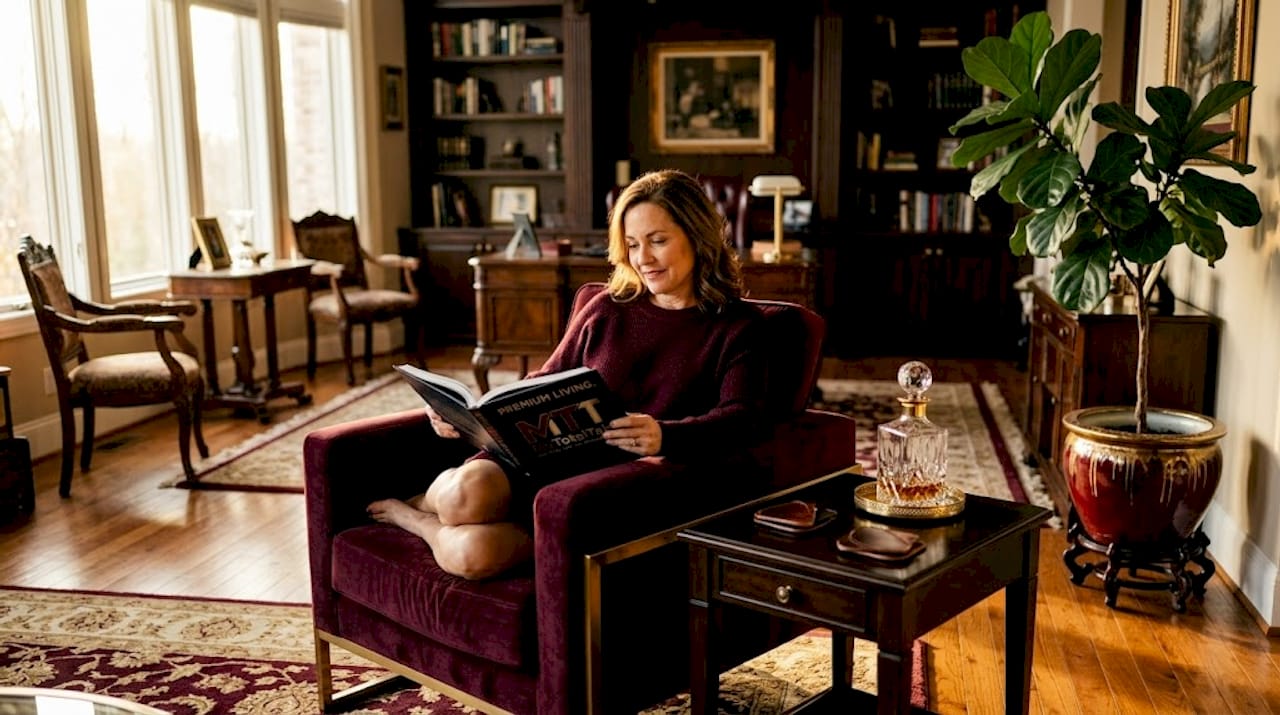
Most homeowners assume that truly beautiful furniture is, by definition, fragile. They picture delicate silk upholstery that stains at the first dinner party, or ornate wood frames that creak and shift within a few seasons. That assumption costs people real money. The most refined interiors in the world share a quality that goes far deeper than aesthetics: every piece is built to last. When you invest in furnishings that pair timeless design with expert construction, you aren’t just decorating a room. You’re building a home that holds its character, its comfort, and its value for decades.
Table of Contents
- The true value of durability: Style, savings, and sustainability
- The mechanics of durability: Materials, joinery, and expert craftsmanship
- Why comfort goes hand-in-hand with lasting quality
- How to select furnishings that elevate both lifestyle and investment
- Our perspective: Why ‘fast furniture’ undermines true luxury
- Where to find furnishings that blend luxury, longevity, and style
- Frequently asked questions
Key Takeaways
| Point | Details |
|---|---|
| Invest in construction | The right frame and joinery set the foundation for furniture that lasts decades. |
| Style and durability align | You don’t have to trade luxury or comfort to gain a long-lasting, elegant home. |
| Quality outpaces trends | Timeless, high-quality pieces will look and feel better after years of use than fast-fading mass-market items. |
| Comfort matters | Superior support systems ensure your investment delivers a daily luxury experience. |
| Smart choices save over time | Choosing durable furnishings lowers your total cost of ownership and environmental impact. |
The true value of durability: Style, savings, and sustainability
There is a persistent myth in the design world that luxury means disposable. Trends change, so the thinking goes, and your furnishings should change with them. But this philosophy is expensive in every sense. Replacing a poorly built sofa every five years doesn’t just drain your budget. It fills landfills, wastes resources, and creates a home that never quite feels settled or complete.
Investing in design furniture rewrites that equation entirely. When superior construction and premium materials are the foundation of a piece, you’re lowering the total cost of ownership over its lifetime. As furniture specialists confirm, well-made furnishings chosen for quality construction and materials reduce replacements and repairs, meaningfully lowering what you spend over time. A sofa purchased for $6,000 that serves your family beautifully for 25 years is a fraction of the cost of a $1,500 piece you replace four times.
The real benefits of choosing durable luxury furnishings include:
- Dramatically reduced replacement costs over a 10 to 20 year horizon
- Furnishings that maintain their visual appeal and structural integrity season after season
- A lighter environmental footprint, since fewer pieces end up discarded
- Interiors that feel coherent and curated rather than patchwork and temporary
- Stronger resale and estate value when pieces are heirloom-worthy
“True luxury is not about how something looks on the showroom floor. It’s about how it looks, feels, and performs in your home after a decade of real life.”
Sustainability is increasingly inseparable from luxury. Discerning homeowners recognize that choosing pieces built to endure is an expression of values, not just taste. When a dining table outlives a trend cycle by 30 years, it has already contributed less waste than five disposable alternatives. That’s a choice worth making with intention.
With the importance of durability established, it’s essential to understand what physically sets lasting furnishings apart from disposable alternatives.
The mechanics of durability: Materials, joinery, and expert craftsmanship
The difference between furniture that lasts and furniture that fails rarely shows on the surface. You won’t see it in the fabric or the finish. It lives inside: in the frame, the joints, and the way skilled hands have assembled every component.
Experts confirm that kiln-dried hardwood frames and superior joinery are less likely to warp or crack over time than frames made from plywood or particleboard with stapled construction. Kiln drying removes moisture from hardwood at a controlled rate, which means the wood is far more stable under the changing humidity conditions of a real home. Plywood and particleboard, by contrast, can swell, sag, and lose their structural integrity within a few years of regular use.
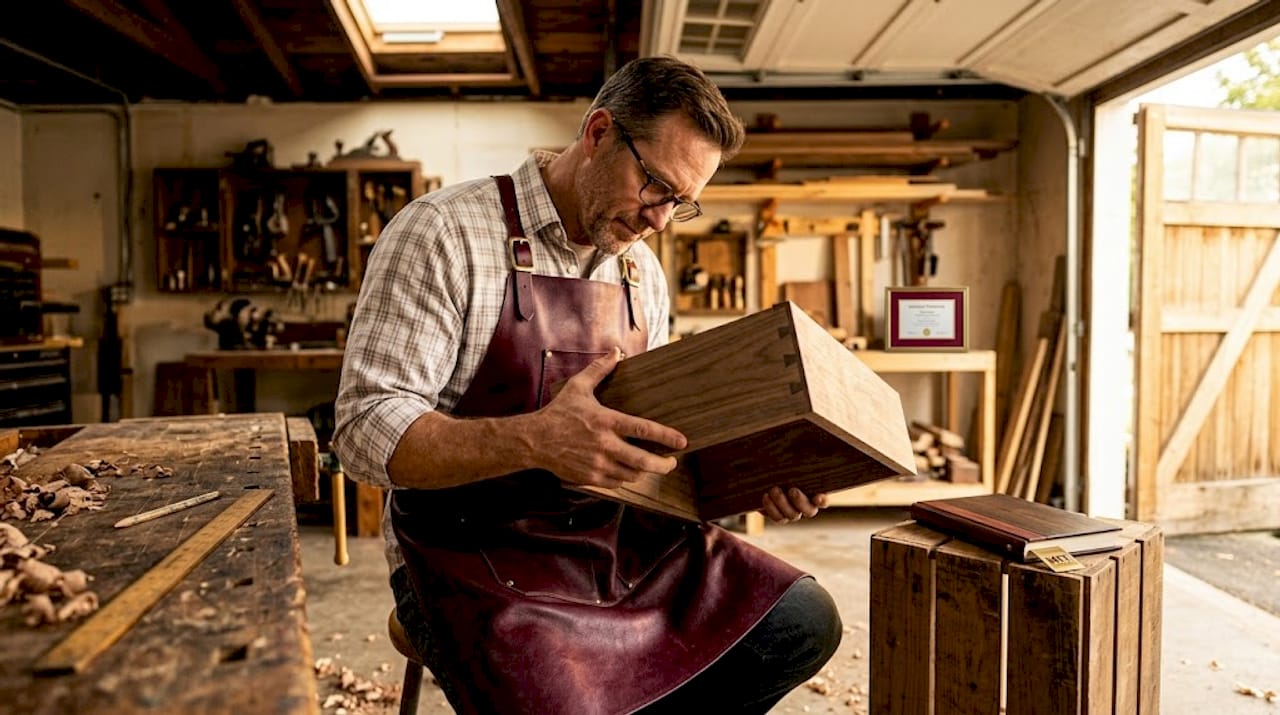
Joinery is where craftsmanship becomes most visible to experts and most consequential for longevity. Consider the difference:
| Joinery method | Strength level | Common use | Longevity |
|---|---|---|---|
| Dovetail joint | Very high | Drawer boxes, corners | Decades with proper care |
| Mortise-and-tenon | Very high | Chair legs, frames | Generations with quality wood |
| Dowel joint | Moderate | Panel connections | 10 to 20 years depending on load |
| Stapled/nailed | Low | Budget frames | 3 to 7 years typical |
| Corner block reinforcement | High when combined | Frame corners | Significantly extends frame life |
The craftsmanship in handmade furniture often means that artisans are selecting individual boards for grain, checking joints by hand, and applying finishes in multiple stages. That attention to process is what separates a piece that ages gracefully from one that simply ages.
What to ask when evaluating a luxury furniture piece:
- What species of wood is used in the frame, and is it kiln-dried?
- How are the frame corners joined? Are corner blocks glued and screwed in place?
- What joinery method connects the legs to the seat or base?
- Is the frame constructed by hand or assembled by machine from standardized components?
- What is the warranty period, and what does it specifically cover?
These questions aren’t intimidating to premium makers. In fact, quality-focused brands welcome them. If a salesperson or brand representative can’t answer these questions with specificity, that itself tells you something valuable.
Pro Tip: Bring a small flashlight when visiting showrooms or receiving deliveries. Tipping a chair or sofa slightly to examine the underframe construction takes less than 30 seconds and reveals far more than any product description.
The same principles that make indoor furnishings last also apply when choosing pieces for outdoor spaces. Our outdoor furniture guide covers the specific materials and treatments that perform best under sun, rain, and temperature variation.
Durable frames and skilled joinery set the structural foundation, but comfort and everyday usability are just as critical for a luxurious home experience.
Why comfort goes hand-in-hand with lasting quality
Here’s what many buyers don’t realize: the same construction choices that make a sofa last 25 years are the exact choices that make it feel extraordinary to sit in after 15 years of use. Superior build quality and superior comfort are not two separate goals. They’re the same goal, achieved through the same methods.
Eight-way hand-tied springs remain the gold standard in upholstered seating. In this method, each individual coil spring is tied in eight directions using a durable twine. The result is a seat that moves with the body rather than against it, distributes weight evenly, and resists the compression and flattening that makes cheaper seating feel exhausted within a few years.
Kiln-dried hardwood frames, discussed earlier for their structural benefits, also play a direct role in comfort. A frame that doesn’t flex or shift maintains the geometry of the seat, back, and armrests exactly as the designer intended. When a frame warps even slightly over time, the cushions shift, the back support changes, and the comfort experience degrades noticeably.
Key comfort and longevity factors ranked by impact:
- Spring system: Eight-way hand-tied springs outperform sinuous wire springs for both comfort and longevity
- Frame stability: Kiln-dried hardwood maintains cushion positioning and body support for decades
- Cushion fill: High-density foam with a down or feather wrap provides both immediate comfort and resilience over years
- Fabric durability: Commercial-grade fabrics (25,000 double rubs or more) resist pilling and wear in active households
- Stitching and seaming: Double-stitched seams on upholstery hold under stress and maintain a refined appearance
The Living Space Cloud Couch is a compelling example of how premium support systems translate into genuine everyday comfort. Pieces built on these principles don’t just survive years of use. They get better as they’re broken in, adapting subtly to how your household lives.
Pro Tip: When testing a sofa in a showroom, sit on it for at least five minutes and stand up deliberately. A quality support system rebounds fully and leaves no permanent impression. A compromised one stays compressed.
Once you know what to look for structurally and in comfort, the final step is understanding how to make smart, beautiful choices that define your home for years to come.
How to select furnishings that elevate both lifestyle and investment
The best purchasing decisions happen before you fall in love with a piece. Having a clear evaluation framework means you bring objectivity to a process that easily becomes purely emotional.
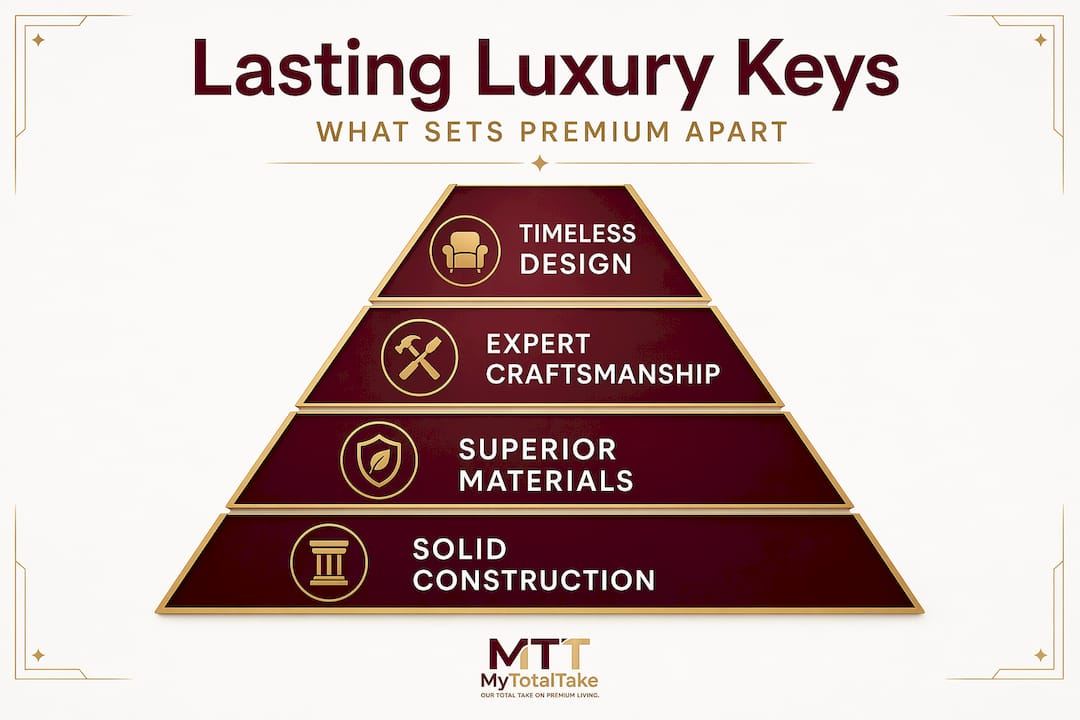
Experts advise starting your evaluation with the frame material and construction, then moving through joinery quality, upholstery support systems, and finally cushion resilience. These factors determine whether a piece holds up under genuine daily use rather than just looking good the day it arrives. Equally important is recognizing that luxury durability value includes sustained comfort and the ability to age aesthetically, which matters profoundly for homeowners building timeless interiors.
Step-by-step selection framework:
- Define the function first. A dining chair used twice a week needs different structural priorities than one used for daily breakfast. Identify load, frequency, and context before you fall for a silhouette.
- Research the maker. Seek out brands that publish their material sourcing, joinery methods, and manufacturing processes. Transparency is itself a signal of quality.
- Inspect the frame. Ask to see underneath or behind upholstered pieces. A quality frame will show solid joinery and often corner block reinforcement at stress points.
- Evaluate the support system. Ask specifically whether the piece uses eight-way hand-tied springs, sinuous springs, or a platform base. Each has implications for comfort and longevity.
- Review the cushion specifications. High-resilience foam rated at 1.8 lb density or above will maintain its shape significantly longer than standard foam.
- Check fabric ratings. For pieces in high-use rooms, look for upholstery rated above 20,000 double rubs. For occasional pieces, this matters less.
- Assess the warranty in detail. A brand confident in its construction offers specific, meaningful warranty coverage. Vague warranties are a warning sign.
Timeless furniture design elevates this framework by reminding us that a piece should still feel fresh and appropriate in 15 years. Chasing seasonal trends can lead to technically well-made furnishings that still feel dated within a decade. The most rewarding selections strike a balance between current relevance and enduring form.
Our premium home decor guide offers additional layering strategies for creating interiors that feel cohesive across multiple furniture generations.
Pro Tip: Prioritize design houses and retailers who can answer technical questions about their pieces without hesitation. Knowledgeable staff signal a brand culture of genuine quality, not just polished marketing.
Now that the pathway to luxury and durability is clear, it’s time to challenge some outdated assumptions about what truly defines value and style in a luxury home.
Our perspective: Why ‘fast furniture’ undermines true luxury
We’ve watched a troubling pattern develop in the home design space. Visually stunning, trend-forward pieces appear at accessible prices, and homeowners purchase them enthusiastically. Within three years, frames wobble. Cushions flatten. The fabric pills. What looked like a sophisticated living room begins to feel like a collection of compromises.
This is the cost of fast furniture: it extracts your money, your patience, and eventually your confidence in your own taste.
Luxury isn’t a look. It’s a sustained experience. A chair that holds its form and comfort after a decade of daily use delivers more actual luxury than one that photographs beautifully for two years and deteriorates quietly. The very concept of a handmade furniture value rests on this idea: that skilled human attention to materials and method creates something that time cannot easily erode.
We believe the most sophisticated homeowners are those who resist the pull of novelty and choose instead with knowledge and intention. They ask the right questions before purchase. They understand that a higher upfront cost, paired with decades of reliable performance, is not an indulgence. It’s the most rational financial and aesthetic choice available. Fast furniture is the real extravagance because it demands constant reinvestment for diminishing returns. True luxury, built well and chosen wisely, simply endures.
Where to find furnishings that blend luxury, longevity, and style
Knowing what to look for is only part of the journey. Finding the right source matters just as much.
At mytotaltake.com, we curate furnishings selected specifically for homeowners who expect beauty and lasting performance from every piece they bring home. Our collections reflect a rigorous editorial standard: we look at construction quality, material sourcing, maker reputation, and design integrity before any piece earns a place in our catalog.

Whether you’re exploring high-end home decor for a primary residence or seeking pieces that will anchor a curated interior for decades, our team has done the foundational research so you can shop with confidence. Our designer furniture guide walks you through the top-tier design houses worth knowing, and our editorial coverage of why you should invest in design furniture gives you the full financial and aesthetic case for choosing well from the start. Every purchase at mytotaltake.com comes with fast delivery, free returns, and the assurance that quality is never a question.
Frequently asked questions
What materials are best for durable luxury furniture?
Kiln-dried hardwood frames combined with high-quality joinery and premium upholstery support systems deliver the strongest foundation for longevity. Avoid particleboard frames and stapled joinery in any high-use piece.
Does higher cost always mean more durable furniture?
Not always. Focus on verifying specific materials and construction methods rather than price alone, since superior construction and materials are what genuinely lower total cost of ownership over time. A higher price with no transparency about construction is no guarantee of quality.
How can I spot quality joinery in luxury furnishings?
Look for dovetail or mortise-and-tenon joints rather than staples or nails, since kiln-dried hardwood and strong joinery are the most reliable indicators of structural durability. Corner block reinforcement at stress points is an additional positive signal.
Why does comfort improve with better construction?
Eight-way hand-tied springs and kiln-dried frames maintain their geometry and support over years of use, ensuring comfort remains consistent long after lesser pieces have softened and sagged beyond redemption.
Is durable furniture also environmentally friendly?
Yes. Pieces built to last decades require far fewer replacements, which means well-made furnishings that reduce repair and replacement cycles also reduce the volume of discarded furniture entering landfills. Durability and environmental responsibility are genuinely aligned.
Recommended
Comments
[…] Durable luxury furnishings that elevate your home […]
[…] and decor choices matter equally. Durable luxury furnishings made from sustainably sourced hardwoods, recycled metals, or natural stone deliver heirloom-worthy […]
[…] single most effective daily habit for protecting designer furniture is dust removal. Daily dust accumulation acts as a fine abrasive against delicate finishes, slowly […]







Leave a comment