
A Guide to Smart Thermostats for Homes
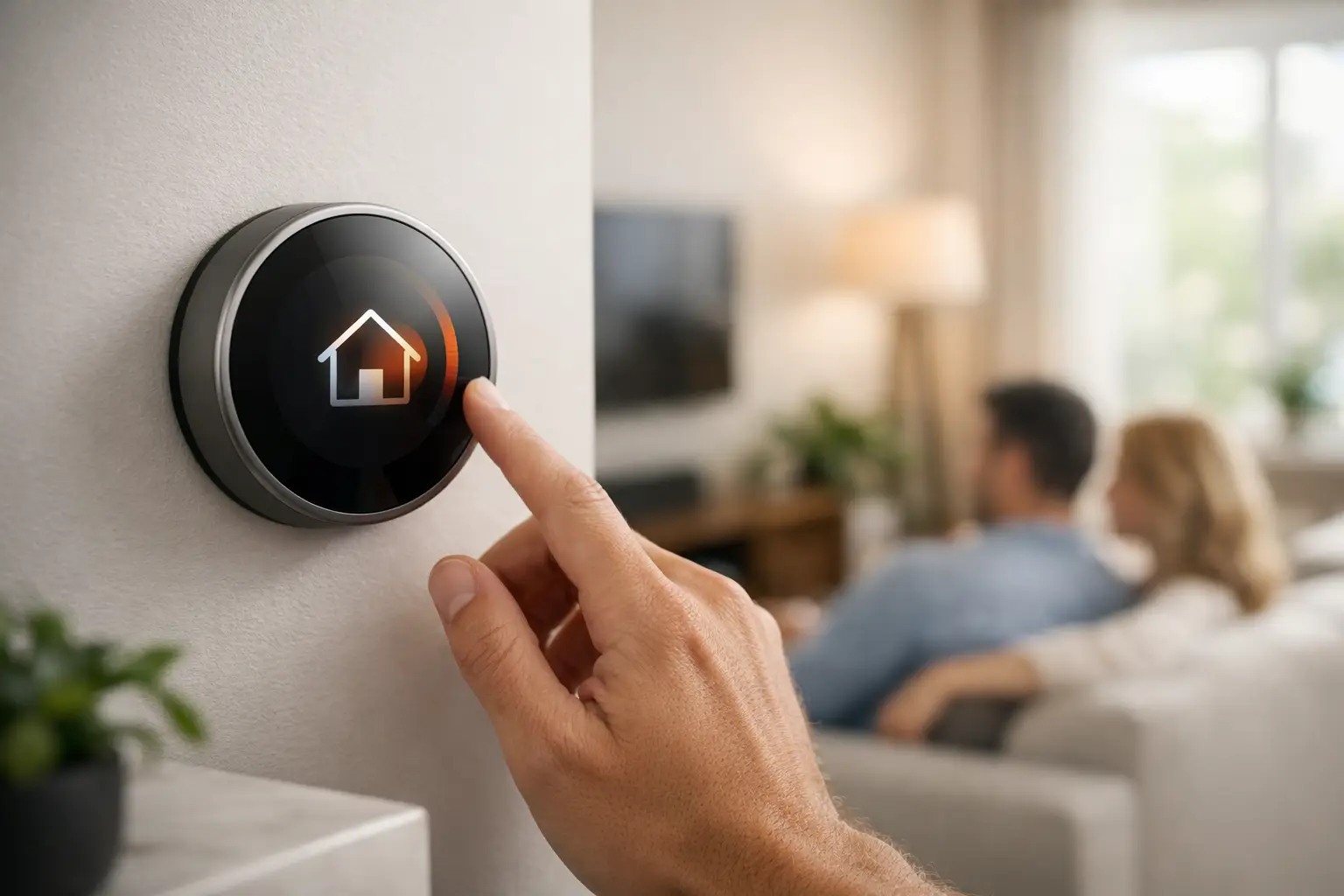
The fastest way to make a home feel more refined is not always a new sofa or statement light fixture. Sometimes it is the quiet upgrade you notice every morning – a house that is already the right temperature, without the waste, guesswork, or constant adjustment. That is where this guide to smart thermostats for homes begins: with comfort that feels considered, efficient, and beautifully modern.
A smart thermostat is more than a digital wall control with an app. The best models learn your routines, adjust around your schedule, and help reduce unnecessary heating and cooling when no one is home. For design-conscious shoppers, they also bring a cleaner look to the wall and a more elevated relationship with the spaces you use every day.
Why a smart thermostat changes daily living
Most traditional thermostats do one thing well: they hold a set temperature. Smart thermostats are built for a more tailored experience. They can shift temperatures by time of day, respond to occupancy, and let you make changes from your phone whether you are upstairs, at the office, or coming back from a weekend away.
That convenience matters, but the bigger appeal is control. Heating and cooling typically account for a large share of home energy use, so even small improvements in scheduling can have a visible effect on monthly utility bills. A smart thermostat helps you stop paying to condition empty rooms during work hours, late nights, or vacations.
There is also a lifestyle element that makes these devices especially attractive in a premium home. A well-chosen thermostat supports the rhythm of the household without demanding attention. It works in the background, like excellent lighting or well-made kitchen appliances – practical, elegant, and quietly transformative.
Guide to smart thermostats for homes: what matters most
Not every smart thermostat delivers the same experience. Some are best for straightforward scheduling, while others are built around learning behavior, integrating with broader smart home systems, or offering deeper energy reports. The right choice depends less on hype and more on how your home actually runs.
Compatibility comes first
Before comparing finishes, displays, or software features, confirm that the thermostat works with your HVAC system. This is the step buyers skip most often, and it is the one that determines whether installation will be simple or frustrating. Many smart thermostats require a C-wire for constant power, though some models offer adapters or alternative setup options.
System type matters as well. A thermostat that works perfectly with a standard forced-air furnace and AC may not support line-voltage heating, multi-stage equipment, heat pumps, or dual-fuel systems. If your setup is more complex, compatibility should outweigh every other feature.
Learning vs. manual scheduling
Some homeowners want a thermostat that studies patterns and starts making adjustments on its own. Others prefer to set a schedule once and keep full control. Neither approach is better in every case.
Learning thermostats suit households with fairly consistent routines. If mornings, workdays, and evenings follow a recognizable flow, automation can feel luxurious. But in homes with unpredictable schedules, frequent guests, or remote work, auto-learning can sometimes make odd choices. In that case, a strong app and easy manual scheduling may feel more polished than a device trying too hard to anticipate your life.
App quality is part of the product
A beautiful thermostat on the wall means less if the app feels clumsy. The best platforms make it easy to adjust temperature, create schedules, review energy use, and switch between home and away settings in seconds. That matters because most owners eventually interact with the thermostat through their phone more often than on the device itself.
Look for an interface that feels clean and intuitive. Premium technology should remove friction, not introduce another dashboard to manage.
Sensors can make a big difference
One thermostat in a central hallway cannot always reflect how the whole home feels. If bedrooms run warm at night or a sunlit living room overheats in the afternoon, room sensors can improve comfort dramatically. These sensors help the system respond to the areas that matter most at specific times.
This is especially useful in larger homes, multi-level layouts, and open-concept spaces where temperature can vary from one zone to another. If comfort is your priority, sensor support is often more valuable than an extra-smart display.
Which features are worth paying for
There is a point where added features stop improving everyday use and start reading like marketing. A better thermostat is not the one with the longest feature list. It is the one that matches your home with precision.
Geofencing is often worth it if you have a predictable commute and want the system to shift automatically when everyone leaves. Energy reports can also be useful, especially for households trying to understand seasonal costs and fine-tune settings over time.
Voice assistant compatibility is convenient, but it is rarely essential. It sounds impressive to say, “set the temperature to 70,” yet most people still rely on schedules and app controls. Treat voice support as a finishing touch, not a deciding factor.
Air quality monitoring, humidity tracking, and maintenance alerts can be valuable in the right home. If you already invest in air purifiers, humidification, or a more wellness-focused indoor environment, these additions can support a more complete comfort strategy. If not, they may be features you admire once and ignore after setup.
Installation: simple for some homes, not all
One reason smart thermostats appeal to homeowners and renters alike is that installation can be surprisingly manageable. In many homes, replacing an existing low-voltage thermostat is a straightforward project if the wiring is compatible and clearly labeled.
That said, this is not a category where forcing a DIY install always makes sense. Older homes, uncommon HVAC systems, and missing C-wires can complicate things quickly. If your setup includes multiple zones or specialized equipment, professional installation may be the better route.
For premium buyers, convenience is part of value. Saving an hour on installation is rarely worth compromising system performance, equipment safety, or warranty coverage. A clean install and correct calibration usually pay off more than the cost difference.
Style still matters on the wall
A thermostat is a functional device, but it is also a visible design element. You pass it every day. Guests notice it. In a well-composed interior, even practical technology should feel intentional.
Some thermostats favor a minimalist circular profile, while others offer a more architectural square or rectangular design. Display brightness, finish, edge detail, and interface animation all affect whether the product feels premium or purely utilitarian. If your home leans modern, sculptural, or carefully edited, these details are not superficial. They are part of how the space feels.
This is one reason curated retailers such as mytotaltake.com resonate with shoppers upgrading their homes. The appeal is not just technical performance. It is choosing products that fit a higher standard of living – pieces that work well, look right, and justify their place in the room.
Smart thermostats for renters and smaller spaces
A smart thermostat is not only for large homes with elaborate systems. In condos, apartments, and townhomes, the value can be even more immediate because every degree counts in a compact footprint. Better scheduling can keep a smaller space comfortable without the constant blast of heating or cooling.
Renters do need to be more cautious. First, check whether the existing thermostat can be replaced and whether the HVAC system is individually controlled. In many apartment buildings, central systems limit what residents can change. But when replacement is allowed, a smart thermostat can be a meaningful quality-of-life upgrade that feels more luxurious than its size suggests.
How to choose without overbuying
The best buying decision usually comes down to three questions. Is it compatible with your system, does the app feel effortless, and will you actually use the features that justify the price?
If your goal is lower energy use with minimal fuss, choose a dependable model with strong scheduling and mobile control. If you want the thermostat to play a visible role in a broader smart home, prioritize integration and sensor support. If the home itself is a design project, make aesthetics part of the equation from the start.
There is no single best smart thermostat for every household. A family with school-age kids, a couple in a city condo, and a homeowner managing a large multi-story house will value different things. The right pick feels almost invisible after setup because comfort improves while decision-making fades into the background.
A home should respond to the way you live, not ask you to work around it. When a thermostat does that well, it stops being just another gadget and starts feeling like part of a more thoughtful home.











Leave a comment