
How to Choose a Sectional Sofa That Fits
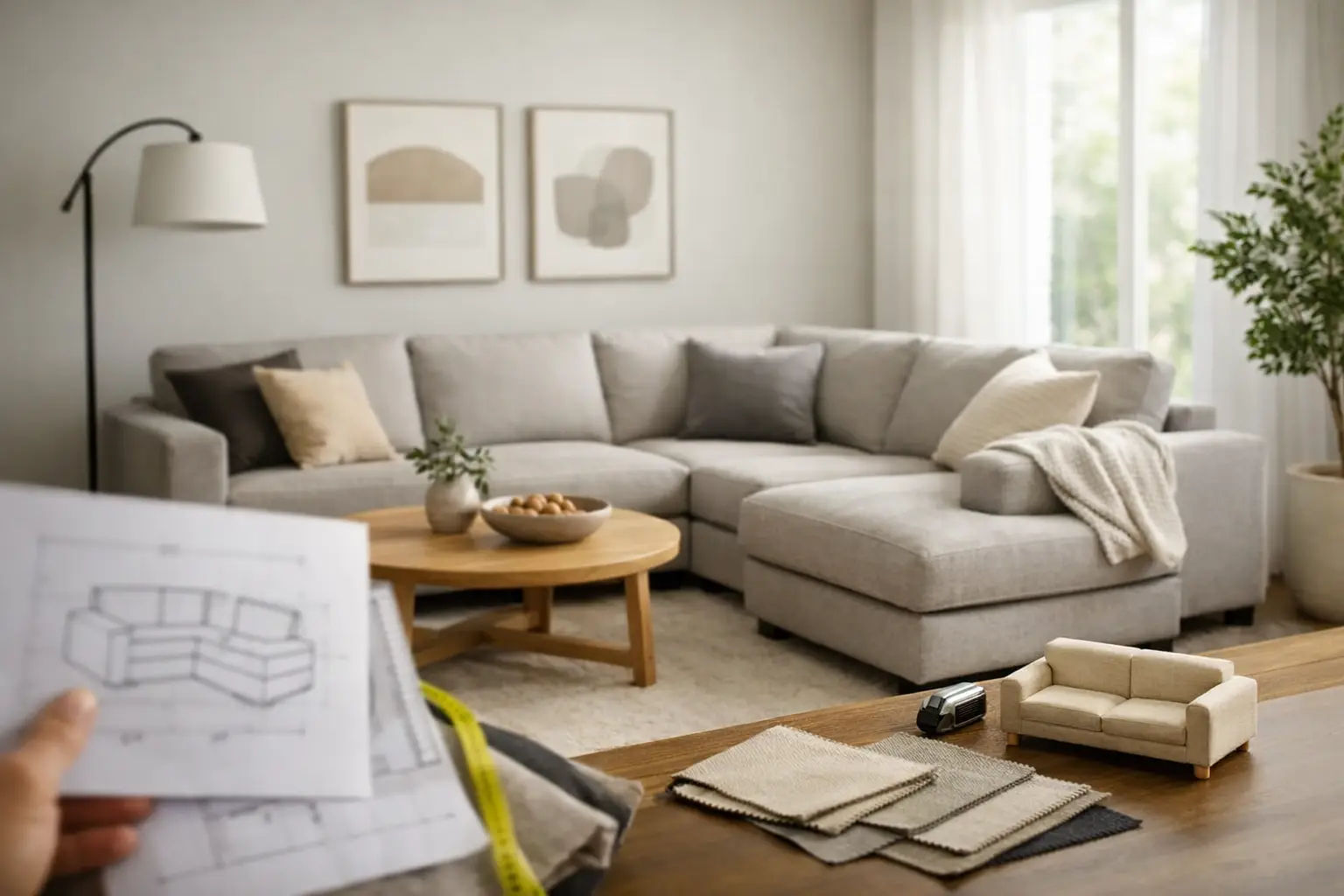
A sectional can make a room feel effortlessly finished – or completely overwhelmed. The difference usually comes down to a few practical decisions made before you fall for the silhouette, the fabric, or that beautifully styled product photo. If you’re wondering how to choose a sectional sofa, start with this truth: the best one is not simply the largest or most luxurious option. It’s the piece that fits your space, supports your routine, and still looks refined years from now.
That matters because a sectional is often the visual anchor of a living room. It shapes traffic flow, defines how people gather, and sets the tone for the entire space. In an apartment, it can create structure in an open layout. In a larger home, it can add warmth and intimacy to a wide room. Either way, this is a purchase worth approaching with the same care you’d give any high-impact design decision.
How to choose a sectional sofa for your space
Before comparing fabrics or cushion fills, measure the room with precision. Not just the wall where the sofa will sit, but the full footprint around it. You want to know how much floor space you can realistically dedicate while still preserving easy movement through the room.
A sectional that technically fits can still feel wrong if it interrupts pathways, crowds a fireplace, or sits too close to a media console. As a rule, leave enough clearance so the room feels open rather than packed. If your living room connects to a dining area or kitchen, think about how people actually move through the space day to day. Good layout is part comfort, part visual balance.
It also helps to mark the dimensions on the floor with painter’s tape. This gives you a much more honest read than measurements on a screen. You’ll see where the chaise lands, how far the return extends, and whether the scale feels elegant or excessive.
Pick the right configuration
Sectionals are not one-size-fits-all. The shape should reflect both your room and the way you use it. An L-shaped sectional is often the most versatile. It works well in medium to large living rooms, offers generous seating, and helps define a conversation area without closing off the room.
A U-shaped sectional creates a more immersive lounge setting, but it needs more square footage and can dominate smaller interiors. It’s ideal if entertaining is central to your lifestyle or if your household gathers in the living room most evenings.
A sectional with a chaise is often the best option for buyers who want a relaxed, elevated look without the bulk of a larger wraparound design. It gives you that coveted stretch-out seat while keeping the footprint more manageable.
Then there’s orientation. Left-facing and right-facing matter, especially when windows, doorways, and focal points are involved. Choose based on the side where the extended portion will create the best flow, not just what looks right in a product gallery.
Size matters, but proportion matters more
One of the most common mistakes in choosing a sectional is focusing only on seating capacity. Yes, you want enough room for family and guests, but proportion is what makes the room feel polished.
In a smaller apartment, a low-profile sectional with slim arms and raised legs can feel much lighter than a deep, boxy design with the same seat count. In a spacious home, a petite sectional may disappear and leave the room feeling underfurnished. Scale should relate not just to square footage, but to ceiling height, window size, and the visual weight of nearby pieces like coffee tables, rugs, and shelving.
Depth deserves special attention. Deep seats feel luxurious and lounge-ready, but they’re not always ideal for formal sitting or shorter users. Standard-depth sectionals tend to be more versatile if your living room needs to support everything from morning coffee to weekend guests.
Think about who will use it most
A sectional should fit your lifestyle as much as your floor plan. If this is the main family sofa, durability may matter more than a delicate textured fabric in a pale tone. If the room is more of a design-forward sitting space, you may prioritize silhouette and upholstery over sink-in softness.
Households with pets or kids usually benefit from performance fabrics, tighter weaves, and colors that are forgiving without looking flat. Mid-tone neutrals, rich charcoals, warm taupes, and layered earth tones tend to wear beautifully while maintaining an elevated look.
If you host often, think about how guests will sit. A sectional with a corner wedge may maximize capacity, while one with oversized chaise seating may be better for casual movie nights than cocktail-hour conversation. Neither is better across the board. It depends on how you live.
How to choose a sectional sofa by fabric and finish
Upholstery changes both the look and the ownership experience. Linen-blend fabrics can feel airy and sophisticated, but they may wrinkle more easily and require a bit more attention. Velvet offers depth and a more dramatic, curated feel, though it reads more formal depending on the color and cut. Boucle brings texture and warmth, but in busy households it may not always be the easiest to maintain.
Performance fabric is often the smartest choice for everyday living. Today’s premium options don’t force you to sacrifice style for practicality. Many offer a soft hand, refined texture, and stain resistance that suits modern households beautifully.
Leather and faux leather bring their own appeal. They’re sleek, easy to wipe down, and can age with character, particularly in richer tones like cognac, espresso, or deep black. But they also feel different seasonally and can show scratches more readily in homes with active pets.
Leg finish, arm shape, and cushion detailing also matter. A sectional with clean lines and tailored cushions tends to feel more contemporary. Rolled arms and plush backs can read more traditional or transitional. Neither direction is wrong, but the style should connect with the rest of the room.
Comfort is more than softness
Many shoppers equate comfort with the plushest possible seat. That’s not always the best long-term choice. A sectional that feels cloud-like on day one can lose structure faster if the cushion construction is poor.
Look at the seat fill and support system. High-density foam usually provides a more supportive, durable seat. Down-blend cushions feel indulgent and relaxed, but they often require more fluffing and maintenance. A well-made sectional balances comfort with resilience, so it still looks composed after real use.
Back height, seat height, and arm width also shape the experience. If you like lounging, deeper seats and lower arms may appeal. If you prefer a more upright posture, especially in a formal living room, a firmer cushion and slightly higher back can be the better fit.
Whenever possible, read dimensions closely instead of relying on visual impression alone. Two sectionals can look similar online and feel completely different once in the room.
Don’t overlook delivery, assembly, and flexibility
A beautiful sectional is only a smart purchase if it can actually make it into your home. Measure doorways, stairwells, elevators, hallways, and tight turns before ordering. This step sounds obvious, but it saves buyers from one of the most frustrating furniture mistakes.
Modular sectionals offer extra flexibility here. They’re easier to move, simpler to reconfigure, and often better suited to renters or homeowners who expect to redesign their layout over time. If adaptability matters, modular construction can be a premium investment rather than a compromise.
It’s also worth checking details like return policy, delivery speed, and support. For a purchase this substantial, confidence matters. A curated retailer such as mytotaltake.com adds value not just through design-forward selection, but through the reassurance of fast shipping, free returns, and responsive service when you’re making a major home upgrade.
Balance statement-making design with staying power
A sectional should feel current, but not so trend-bound that it dates your room in two years. If you’re drawn to bold curves, dramatic channel tufting, or a fashion-forward fabric, consider grounding the choice in a timeless color or versatile shape.
Neutral sectionals usually offer the longest design life, especially when layered with throws, accent pillows, and sculptural side tables that can evolve with your taste. If you want the sectional itself to be the statement piece, focus on one standout element – a rich color, a striking form, or an exceptional upholstery texture – and keep the rest balanced.
The most successful living rooms rarely come from chasing every trend. They come from choosing pieces with presence, quality, and a sense of permanence.
A sectional sofa should make the room feel better the moment you walk in – more inviting, more composed, more aligned with the way you want to live. Choose the one that gives you that feeling while still earning its place through comfort, craftsmanship, and fit, and you’ll enjoy it long after the excitement of delivery day fades.







Leave a comment