
How to Review Robot Vacuum and Mop Combo
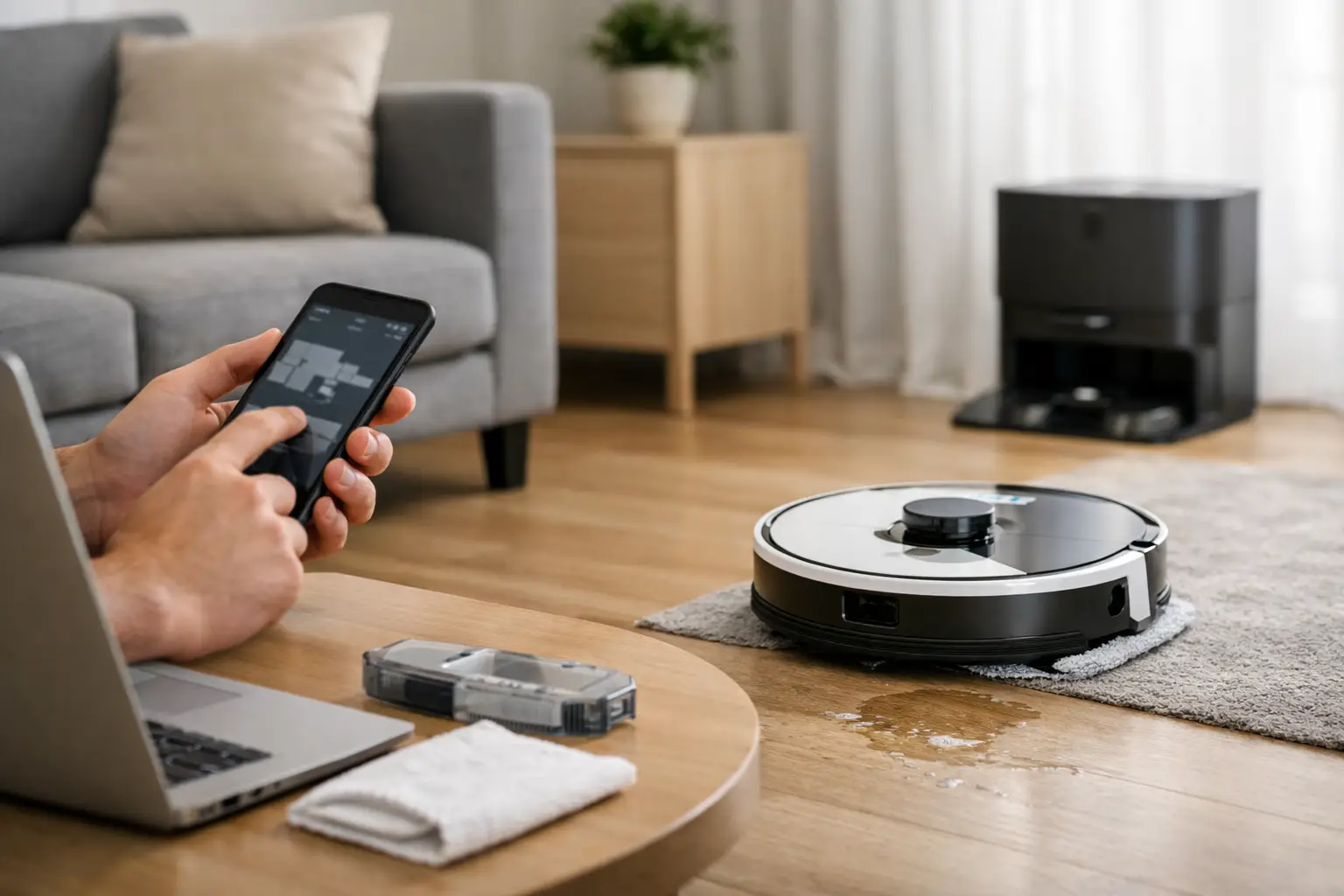
A robot vacuum that also mops sounds like the kind of upgrade you add to cart in under five minutes – right up until you realize every model promises the same polished future: cleaner floors, less effort, smarter living. The real value of a review robot vacuum and mop combo comes from knowing which details actually shape daily life and which ones are marketing gloss.
In a well-designed home, convenience should feel refined, not finicky. A machine that glides through pet hair, kitchen dust, and light spills without constant babysitting can be a genuine lifestyle upgrade. But the category is crowded, and the gap between a premium experience and a frustrating one is wider than many listings suggest.
What a review robot vacuum and mop combo should actually cover
The most useful review does not stop at suction power or battery life. Those specs matter, but they rarely tell the whole story. Two units can look nearly identical on paper and perform very differently once they meet rugs, chair legs, dried-on footprints, and the awkward edges around a kitchen island.
A strong review robot vacuum and mop combo should look at how the machine behaves in a real home. Does it move with purpose or bounce around randomly? Does it leave a wet haze on hardwood? Can it transition from tile to area rug without creating more work for you later? Premium shoppers are not just buying automation – they are buying back time, calm, and visual order.
That means the best reviews focus on lived performance. A machine that excels in a showroom-perfect demo but struggles with everyday mess is not a smart investment, no matter how sleek the finish or how advanced the app appears.
Start with your floors, not the feature list
Before comparing brands or price tiers, look down. Floor type changes everything. If your home leans heavily on hardwood, luxury vinyl, or tile, the mopping side deserves serious attention. If you have thick rugs, runner-heavy hallways, or transitions between surfaces, obstacle handling and carpet detection move much higher on the priority list.
This is where many buyers misread reviews. A model praised by a loft dweller with open-plan hardwood may disappoint in a family home with mixed flooring and pets. Likewise, a high-powered vacuum built for heavy debris can be overkill in a smaller apartment where quiet operation and compact docking matter more.
A thoughtful review should explain the environment in which the product was tested. Without that context, star ratings are elegant but not very useful.
Suction matters, but navigation often matters more
It is easy to fixate on suction numbers because they feel concrete. More power sounds better. In practice, navigation often has a bigger effect on whether your floors look consistently clean.
A robot with intelligent mapping can clean in clean lines, cover rooms fully, and return to the dock without drama. It is usually more efficient, less likely to miss corners, and better at handling homes with multiple rooms. If the machine supports room-specific schedules, no-go zones, and saved maps for multiple floors, that can elevate the experience from novelty to true household utility.
Lower-end units may still work well in simple spaces, but the trade-off is usually predictability. If you want polished results in a design-conscious home, smart navigation is worth close attention in any review.
Signs navigation is genuinely good
A quality review should mention whether the robot creates accurate maps quickly, whether it recognizes furniture placement with reasonable consistency, and whether it avoids getting trapped under beds, side chairs, or media consoles. Good navigation should feel discreet. You should not have to rescue the machine every other cycle.
Obstacle avoidance deserves its own scrutiny. Some models handle cords, pet bowls, and slippers gracefully. Others treat them like a challenge. If your home has a lived-in elegance rather than empty-floor minimalism, this can make or break your satisfaction.
Mopping performance is where the category separates itself
Many combo models vacuum well enough. Fewer mop in a way that feels worthy of a premium purchase. Some simply drag a damp pad across the floor, which can freshen surfaces but does little for stuck-on residue. Others use pressurized pads, oscillating systems, or dual spinning mop heads that offer a more convincing clean.
A smart review will distinguish between maintenance mopping and actual mess handling. If you only want to stay ahead of dust and light kitchen film, a basic system may be perfectly adequate. If you expect it to deal with paw prints, cooking splatter, or entryway grime, you need a stronger mopping setup.
Water control matters too. Better machines let you adjust moisture levels by room, which is especially helpful in homes mixing stone tile, sealed wood, and rugs. Too much water can leave streaks or create concern on delicate surfaces. Too little leaves the promise of mopping mostly theoretical.
Watch for carpet behavior
One of the most important review details is how the combo unit handles rugs while mopping. Some models avoid carpeted areas entirely once the mop is attached. Others lift the mop pads automatically. That feature can be a meaningful upgrade if your home has layered textures and open-concept layouts.
Without mop lifting or smart carpet avoidance, you may find yourself constantly editing maps or manually swapping parts. That is not luxury. That is chores wearing a tech costume.
Docking systems can justify the price jump
The dock is where many premium models earn their place. Entry-level combo units often require frequent emptying, pad washing, and water refilling. Higher-end systems may self-empty dust, refill clean water, wash mop pads, and even dry them.
These features sound indulgent until you live with them. If your goal is a cleaner home with less visible effort, an advanced dock changes the ownership experience more than many headline specs. It reduces odor, cuts down on maintenance, and makes it far more likely that you will actually use the machine regularly.
Of course, there is a trade-off. Large docks take up more space and tend to cost more. In a compact apartment, the footprint may feel intrusive. In a larger home, especially one with pets or kids, the convenience often feels proportionate to the investment.
App design and controls should feel intuitive
Beautiful hardware loses its charm quickly if the app is clumsy. A strong review should spend time on setup, scheduling, map editing, and voice assistant compatibility. If the app is slow, confusing, or prone to losing maps, daily use becomes less elegant than expected.
The best apps let you name rooms easily, create customized cleaning routines, set suction and water levels by area, and send the robot to a single room when needed. That last point is especially useful. Spot-cleaning the kitchen after dinner or the entry after guests arrive feels far more luxurious than running a full-house cycle every time.
For many shoppers, this is where design meets practicality. A premium product should not just perform well – it should be pleasant to live with.
Noise, maintenance, and longevity deserve honest attention
A review that ignores upkeep is incomplete. Combo units require ongoing care, and the amount varies dramatically. Brushes tangle with hair, filters need replacement, sensors need occasional wiping, and mop pads need cleaning or swapping.
The question is not whether maintenance exists. It does. The better question is whether the machine makes upkeep manageable. Are parts easy to access? Does the app alert you clearly when something needs attention? Are replacement components straightforward to identify?
Noise also deserves context. Some units are perfectly acceptable during the workday but too loud for evening use in a smaller home. Others are relatively discreet on standard modes but much louder on maximum suction. A premium clean should not feel like a leaf blower circling your dining table.
Who should buy one, and who should not
A robot vacuum and mop combo makes the most sense for people who want steady floor maintenance, not occasional deep-clean miracles. If you appreciate a home that stays guest-ready with less visible effort, this category can be an excellent fit. It is especially compelling for busy professionals, pet owners, and anyone with large hard-floor areas.
It may be less satisfying if your home has many tight thresholds, lots of floor clutter, or heavy-duty messes that require manual scrubbing. In those cases, the machine still helps, but it works best as a polished assistant rather than a full replacement for hands-on cleaning.
That distinction matters. The right expectations lead to better purchases.
The best review robot vacuum and mop combo mindset
When you review robot vacuum and mop combo options, think less like a spec hunter and more like a curator of your home. The right model should suit your layout, flooring, routines, and tolerance for maintenance. It should support the way you live, not ask you to redesign your rooms around its limitations.
That is why premium shoppers often benefit from a more selective approach. The most attractive feature list is not always the most elevated ownership experience. Reliable mapping, genuinely useful mopping, a well-designed dock, and intuitive controls usually deliver more day-to-day value than one flashy stat.
If you are browsing a curated retailer like mytotaltake.com, that mindset becomes even more valuable. You are not simply choosing another appliance. You are selecting a home technology piece that should blend performance, design, and convenience in a way that feels considered.
The best choice is the one that disappears into your routine and quietly keeps your space looking the way you want it to feel – clean, composed, and ready for whatever the day brings.











Leave a comment