
Are Air Purifiers Safe for Pets?
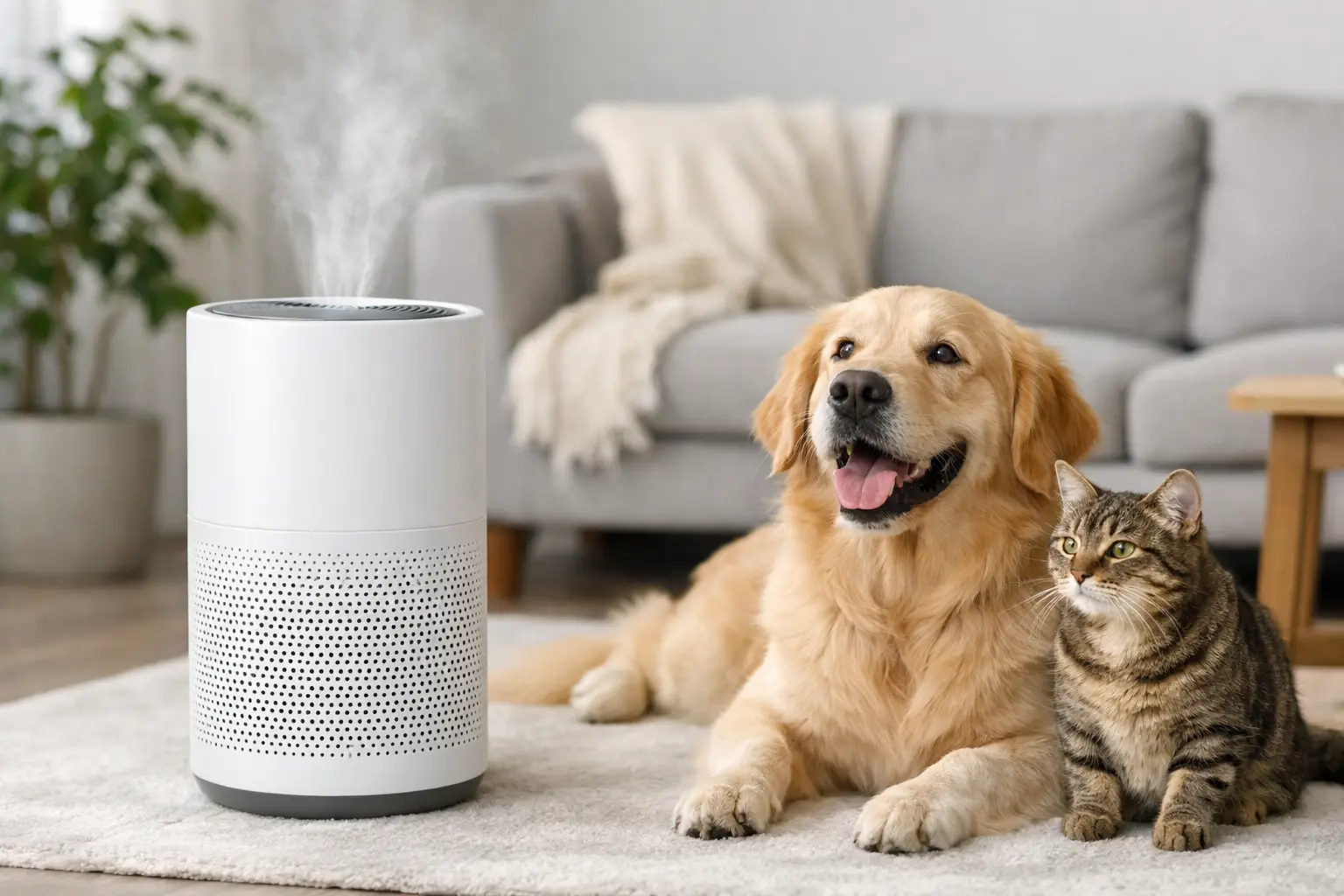
A shedding dog on the sofa, a cat tracking litter dust through the hallway, and a home office that never quite feels fresh – this is usually when the question comes up: are air purifiers safe for pets? In most homes, yes, they are. In fact, the right air purifier can make a space feel cleaner and more comfortable for both people and animals. The catch is that not every purifier is designed with pet households in mind, and a few technologies deserve a closer look before you bring one into your space.
Are air purifiers safe for pets in everyday use?
For most dogs, cats, and small household pets, a well-made air purifier is safe when it uses mechanical filtration, especially a HEPA-style filter, along with a sealed design and sensible placement. These systems work by pulling in air, trapping particles like dander, dust, and hair, and circulating cleaner air back into the room. That basic process does not expose pets to harmful byproducts.
This is where air purifiers can feel less like a gadget and more like a considered home upgrade. In a refined living space, comfort is often shaped by details you cannot see. Less airborne fur, fewer lingering odors, and lower dust levels can improve the atmosphere of a room in a way that feels immediate, especially in pet-friendly homes where style and practicality need to coexist.
Still, safe does not mean every model is equally suitable. Some purifiers rely on technologies that can irritate sensitive lungs, and pets are often closer to the floor, fabrics, and airflow than humans are. A machine that looks sleek in a product photo may not be the best fit if it produces ozone, sits too close to a crate or bed, or creates a noise profile that stresses an anxious animal.
What makes an air purifier pet-safe?
The safest choice is usually a purifier that keeps things simple. A true HEPA or high-efficiency particulate filter is the gold standard for capturing pet dander, hair fragments, pollen, and fine particles without introducing chemicals into the air. If odor control matters, an activated carbon filter can help reduce pet smells from litter boxes, bedding, and everyday household life.
A sealed filtration system is another detail worth paying attention to. In premium home products, craftsmanship matters, and air purifiers are no exception. If the housing leaks air around the filter, some particles can escape before they are properly captured. A better-built unit tends to deliver cleaner performance with less guesswork.
Fan strength also matters, but not in the way many shoppers expect. More power is not always better if the machine creates a draft that blows directly onto a pet’s favorite resting spot. Cats may avoid a room that feels too windy, and smaller pets can be more sensitive to constant air movement. A purifier should improve the room, not dominate it.
The air purifier features to be careful with
If you are asking whether air purifiers are safe for pets, this is the part that matters most. Ionizers and ozone-generating features deserve extra caution.
Some air purifiers release ions to help particles clump together and fall from the air. Others are marketed as ozone purifiers or include ozone as part of their cleaning process. Ozone can irritate lungs, and that risk applies to people as well as pets. Birds are especially sensitive to airborne irritants, but even dogs and cats can react poorly in enclosed spaces. If a model advertises ozone output, ozone sanitizing, or a built-in ionizer that cannot be disabled, it is usually smarter to keep shopping.
Fragrance-infused filters can also be a poor fit. A fresh scent may sound appealing in theory, but pets experience smell very differently than we do. Strong added fragrance can be overwhelming, and in some cases irritating, particularly for animals with respiratory issues or stress-related sensitivities.
There is also the practical side of safety. Long cords, lightweight towers that tip easily, and low air intakes that attract curious paws or whiskers can all become annoyances. None of these automatically make a purifier dangerous, but they do affect how comfortably it fits into a polished, pet-friendly home.
Which pets benefit most from an air purifier?
Dogs and cats are the obvious examples, especially in homes with heavy shedding, multiple animals, or upholstery that tends to hold fur and dander. A purifier can help reduce the particles that settle on surfaces and drift through shared living areas. That can be useful if someone in the home has mild allergies, but it also simply helps the space feel more elevated and easier to maintain.
Small pets can benefit too, though the setup matters more. Rabbits, guinea pigs, and hamsters often create fine bedding dust, and a purifier can help improve air quality nearby. The key is placement. You do not want strong airflow directed into an enclosure. The purifier should support the room’s air quality, not turn the habitat into a wind tunnel.
Bird owners should be especially selective. Birds have highly sensitive respiratory systems, so avoiding ozone and heavily scented products is essential. A HEPA-based purifier can be useful for feather dust and general air cleanliness, but the margin for error is smaller. If you share your home with birds, conservative choices are the right ones.
Placement matters more than many people realize
Even a high-end air purifier can feel like the wrong purchase if it is placed poorly. Position it in a room where your pet spends time, but give it breathing room away from walls, drapes, and bulky furniture. That helps the unit circulate air efficiently without overworking.
Try not to place it directly beside a pet bed, crate, feeding station, or litter box. Near the litter box may sound logical for odor control, but if the purifier is too close, it can pull in concentrated dust and odors while creating a draft your pet dislikes. A little distance tends to create a better balance.
Noise is another factor that gets overlooked in stylish homes where visual design often takes priority. Some pets are unbothered by white noise. Others fixate on motor hum, startup beeps, or higher fan settings. If your dog startles easily or your cat is particular about sound, start on a low setting and let the machine become part of the background gradually.
Maintenance is part of pet safety
A neglected air purifier is not just less effective – it can become unpleasant. Pet homes put more strain on filters because hair, dander, and dust build up faster. If the pre-filter is washable, clean it on schedule. If the main filter needs replacement, do not stretch it far beyond the recommended window.
This is one of those quiet differences between an impulse buy and a thoughtful home investment. A well-designed purifier should be easy to open, easy to maintain, and clear about filter life. When upkeep feels simple, you are more likely to keep performance where it should be.
Regular maintenance also protects the machine itself. A clogged system can struggle to move air, run louder, and deliver disappointing results. In a home curated for comfort and efficiency, that is the kind of friction worth avoiding.
How to choose the right purifier for a pet household
The best model is not necessarily the one with the longest feature list. It is the one that matches your room size, uses trusted filtration, and fits naturally into your daily routine.
Look for a purifier rated for the square footage of your space, ideally with enough capacity to handle real living conditions rather than perfect lab scenarios. In open-concept rooms, undersizing is a common mistake. If your living room, dining area, and kitchen flow together, one compact unit may not be enough.
Pay attention to filter design, noise level, and whether any optional ionizing feature can be turned off completely. If aesthetics matter, and for many design-conscious shoppers they do, choose a model that complements the room rather than asking you to hide it. Good home technology should earn its place visually as well as functionally.
For shoppers building a cleaner, more comfortable home, mytotaltake.com’s approach to curated living fits this category well. Pet products and home tech perform best when they feel intentional, not like afterthoughts tucked into a corner.
So, are air purifiers safe for pets?
Yes – if you choose the right type. HEPA-based air purifiers with carbon filtration are generally safe for pets and often beneficial in homes with dander, shedding, dust, and everyday pet odors. The main exceptions are units that produce ozone, rely heavily on ionization, or add unnecessary fragrance.
The better question is not just whether a purifier is safe, but whether it suits the way your pet actually lives in your home. A calm machine, quality filtration, and thoughtful placement can make the air feel lighter without disrupting your animal’s routine. When a product supports comfort this quietly, it tends to become one of the smartest upgrades in the room.
If you are choosing one for a pet-friendly home, let safety lead, let design follow closely behind, and pick a model that makes clean air feel like part of the lifestyle you want to live every day.
Best Cordless Vacuum for Hardwood Floors
Why Fast Delivery in Luxury Defines Brand Experience
Comments
[…] Check pet-specific guidance before diffusing near cats, birds, or small animals. […]








Leave a comment