
Why choose artisanal decor for your home
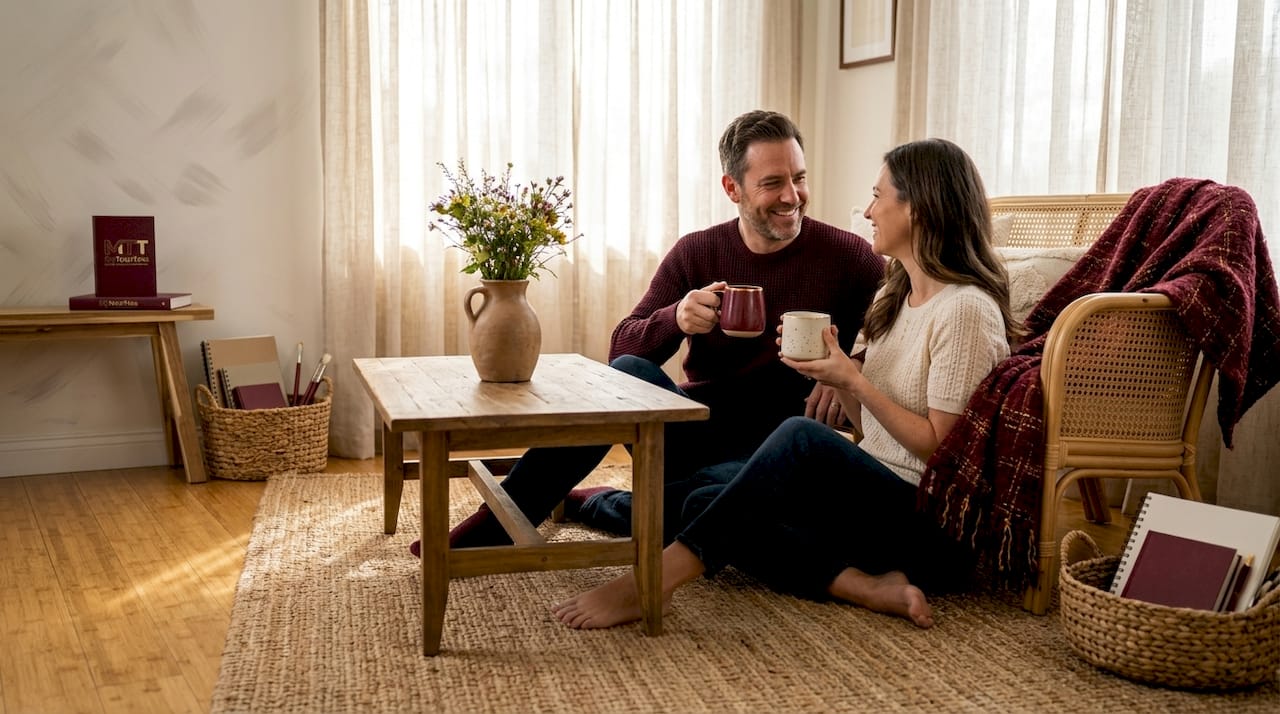
Most people assume artisanal decor is simply the expensive option, a premium you pay for aesthetics and little else. That assumption misses nearly everything that matters. The real reasons why choose artisanal decor come down to enduring quality, emotional presence, and the kind of individuality that no factory line can replicate. Artisanal pieces, meaning objects made by hand using traditional skills and natural materials, carry the maker’s decisions in every contour and texture. This guide walks you through what that actually means for your home, your investment, and your daily experience of the spaces you inhabit.
Table of Contents
- Understanding artisanal decor: what it is and why it matters
- The emotional and aesthetic appeal of artisanal decor
- Materiality and craftsmanship: the return to slower, meaningful home decor
- Practical benefits of choosing artisanal decor for your home
- How to incorporate artisanal decor into your luxury home
- The overlooked power of imperfection in artisanal decor
- Explore high-end artisanal decor with our curated collections
- Frequently asked questions
Understanding artisanal decor: what it is and why it matters
Artisanal decor refers to objects crafted by hand, typically by a single maker or a small workshop, using time-honored techniques rather than machine-driven production. Think of a ceramic bowl shaped on a wheel, a woven textile made on a loom, or a wooden side table carved and finished by one craftsperson. The difference from factory goods is not merely visual. It is structural.
Every artisanal piece carries visible evidence of the process behind it. A slight variation in glaze color, a grain pattern that shifts unexpectedly, a seam that carries the memory of a hand. As handmade decor resists trend cycles by showing the maker’s time and decisions embedded in each object, it becomes something fundamentally different from a mass-produced item that could be copied and shipped a million times over.
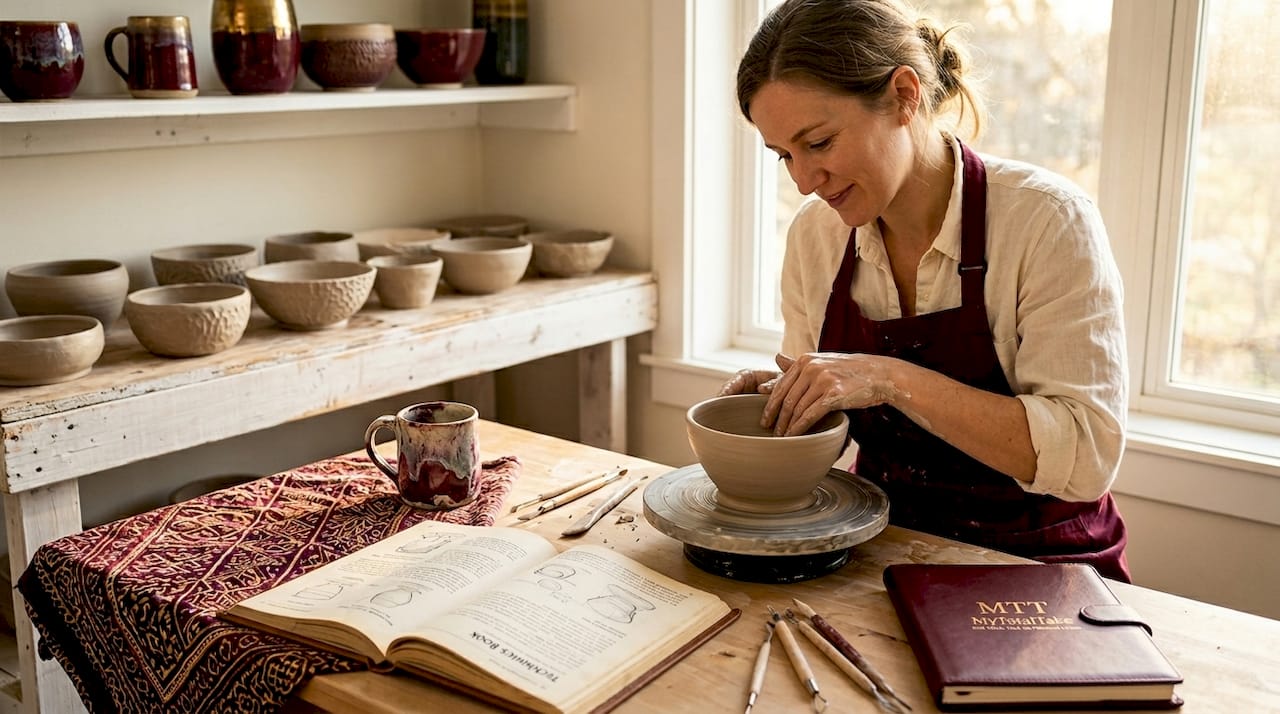
When you are choosing premium handmade decor, understanding this distinction helps you select pieces with intention rather than impulse. Artisanal objects shape a home’s identity. They tell a story about values, taste, and the kind of beauty worth living with every day.
What sets artisanal decor apart:
- Handmade by skilled craftspeople using traditional methods
- Subtle variations in texture, color, and form that make each piece one of a kind
- Materials chosen for their natural quality and longevity
- Resistance to fast-trend cycles due to timeless craftsmanship
- A connection between maker and owner that mass production cannot create
For a deeper look at the lasting value of handmade furniture and objects, our handmade furniture insights offer essential context.
The emotional and aesthetic appeal of artisanal decor
There is a particular quality that artisanal pieces bring to a room. Warmth is the word most people reach for, but it is more specific than that. It is presence. A handcrafted ceramic lamp, a hand-loomed throw draped over a chair, a carved wood sculpture on a shelf: these objects invite you to slow down and look more carefully.
Handcrafted pieces invite attention and add warmth, aging honestly and holding space in your home in ways that manufactured goods rarely do. An artisan piece does not try to look perfect. Its slight asymmetry, its uneven surface, its color that shifts from one side to another — these are not flaws. They are evidence of a human hand at work, and that distinction registers emotionally even before the mind consciously registers it.
“Handmade products offer unique character fundamentally different from mass production, something retailers and collectors are recognizing with renewed urgency in 2026.”
This emotional richness also makes artisanal decor age gracefully. A mass-produced piece looks worse over time because it was never meant to age. An artisan piece develops character, its patina telling the story of years of genuine use. That kind of aging is something to look forward to rather than manage.
Why artisanal pieces enrich a home’s atmosphere:
- They create warmth that feels alive, not staged
- Their visible craftsmanship slows your eye and encourages genuine appreciation
- They age honestly, gaining character rather than simply wearing out
- The human touch behind each piece creates emotional resonance
- They anchor a room with authenticity that manufactured pieces cannot replicate
Explore elegant artisanal decor ideas to see how these principles translate into real interiors. For a broader view of how your decor choices affect daily wellbeing, our piece on decor’s lifestyle impact is worth your time.
Materiality and craftsmanship: the return to slower, meaningful home decor
We now understand the emotional impact. Next, the craftsmanship and materials that make this experience possible deserve a closer look.
Artisanship is fundamentally about time. A skilled woodworker does not simply cut and assemble. They read the grain, make decisions about joinery, apply finish in layers, and sand between coats by hand. That investment of time and skill produces objects that ask something of you in return: attention, care, and a willingness to slow down.
“Artisanal wood and fiber objects assert materiality that digital cannot replicate, encouraging slowness and sustained attention in ways that mass-produced and screen-based experiences never can.”
Natural materials like wood, ceramic, stone, and hand-dyed fiber also behave differently from synthetic alternatives. They breathe. They respond to light and temperature. They reward prolonged attention in ways that lacquered particle board or injection-molded plastic simply do not.
How to appreciate the slow craft process in your home:
- Look closely at a handcrafted piece and identify where decisions were made: the direction of a brushstroke, the joint of two pieces of wood, the edge of a woven border.
- Notice how the object responds to different light throughout the day.
- Consider how the material will age and what it will look like in five or ten years.
- Ask yourself whether the piece invites you to keep looking, or whether you stop noticing it within a week.
- Read about the technique behind the piece; knowing how it was made changes how you experience it.
The benefits of slow decor extend far beyond aesthetics. Homes furnished with natural, handcrafted materials consistently feel calmer and more restorative than those filled with fast, disposable goods.
Practical benefits of choosing artisanal decor for your home
Beyond beauty and presence, artisanal decor offers tangible practical benefits that elevate your home’s function and legacy.
The most significant practical advantage is durability. Artisan makers select materials for their quality rather than their cost efficiency, and they build objects to last decades rather than product cycles. A hand-thrown ceramic bowl is designed to be used daily for years. A hardwood side table built with traditional joinery will outlast most of the furniture around it.
Handcrafted pieces are durable, repairable, and encourage mindful, sustainable consumption, which means your investment compounds over time rather than depreciating into a landfill. When something breaks or wears, a skilled craftsperson can repair it. That repairability is nearly extinct in mass-produced goods.
Practical advantages at a glance:
- Built with high-quality, often natural materials designed for longevity
- Repairable by skilled craftspeople, reducing waste and replacement costs
- Supports fair wages and preserves traditional craft knowledge
- Lower long-term environmental impact through slower, mindful consumption
- Holds intrinsic value that can appreciate rather than depreciate
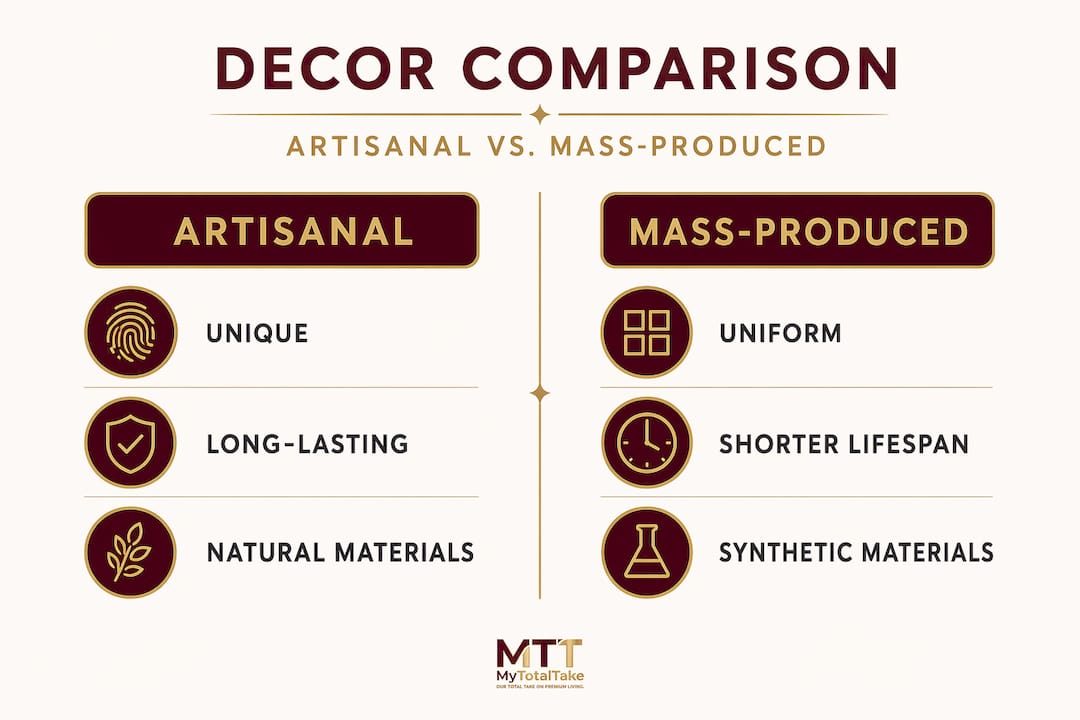
| Factor | Artisanal decor | Mass-produced decor |
|---|---|---|
| Material quality | Natural, high-grade | Often synthetic, cost-optimized |
| Lifespan | Decades with proper care | A few years on average |
| Repairability | High | Low to none |
| Uniqueness | Every piece varies | Identical across production |
| Environmental impact | Lower (slow production) | Higher (volume and waste) |
| Long-term value | Often appreciates | Depreciates quickly |
Pro Tip: When evaluating whether artisanal decor is worth the price, factor in replacement frequency. A handcrafted ceramic vase that lasts 20 years and costs three times more than a factory alternative is actually the more economical choice over that same period, and infinitely more satisfying to live with.
Our guides on luxury home decor benefits and investing in artisanal decor offer further detail on making confident, lasting purchases.
How to incorporate artisanal decor into your luxury home
Armed with the case for artisanal decor, the practical question is how to bring it into your home with intention and elegance.
The first principle is restraint. You do not need to replace everything at once. Start with one or two pieces in rooms where you spend the most time. A handcrafted vessel on a dining table, a woven textile on a bedroom wall, a ceramic lamp on a study desk. Mixing handmade with vintage or modern furniture creates a dynamic, layered home that feels curated rather than styled, alive rather than assembled.
A practical approach to integrating artisanal decor:
- Identify two or three rooms where texture and warmth are most needed.
- Choose one focal piece per room: a sculptural vase, a hand-woven throw, a carved wooden bowl.
- Give each piece physical space to stand on its own, without competing objects crowding it.
- Layer in supporting pieces gradually, mixing ceramics with natural textiles and handcrafted wood.
- Edit ruthlessly. If a piece stops earning its place, replace it with something that does.
| Approach | Artisanal integration | All mass-produced |
|---|---|---|
| Room atmosphere | Warm, layered, alive | Uniform, flat, predictable |
| Visual interest | High, rewards attention | Low, quickly ignored |
| Longevity of style | Timeless | Trend-dependent |
| Personal narrative | Rich, accumulates over time | Absent |
Pro Tip: Pair a handcrafted ceramic or stone object with a modern, minimalist piece of furniture. The contrast between precision and organic form is exactly what transforms a room from a showroom into a home.
For expert guidance on curating your space, explore our resources on curating artisanal home decor and modern artisanal decor integration.
The overlooked power of imperfection in artisanal decor
Here is something the mainstream conversation about home decor almost never says plainly: imperfection is the point.
The modern consumer market has trained us to expect flawlessness. Uniform edges. Consistent color. Symmetry so precise that any deviation reads as a defect. Artisanal decor asks you to reverse that conditioning entirely. The slight warp in a handmade wooden tray. The color variation in a hand-thrown bowl. The weave that tightens slightly in one corner of a textile. These are not quality failures. They are subtle variations that make artisan pieces feel alive, rather than defects to correct.
Collectors who understand craft seek out these variations. They choose a particular piece from a maker’s series precisely because of the way the glaze pooled in one corner, or because the wood grain forms an unexpected pattern. That individual quality is the feature. It is why artisanal pieces hold personal meaning over decades when mass-produced goods are forgotten.
This also changes the nature of the purchase itself. When you choose an artisanal piece with full awareness of its individuality, you are not buying a product. You are acquiring something closer to an object of art, one built for daily life rather than a gallery wall but carrying the same depth of intention. The value of artisan imperfection is that it connects you to a specific maker, a specific moment, and a specific set of choices that will never be repeated in exactly the same way.
That is the real answer to whether artisanal decor is worth it. It is not about paying more for the same function. It is about choosing objects that accumulate meaning rather than simply occupying space.
Explore high-end artisanal decor with our curated collections
Understanding why artisanal decor matters is the first step. Finding pieces that genuinely embody that standard is where we come in.

At mytotaltake.com, our high-end home decor collection features artisanal decor selected for exceptional craftsmanship, lasting materials, and the kind of distinctive character that elevates any room. Whether you are furnishing a primary residence or curating a second home, we offer the expert guidance and carefully chosen pieces to help you invest with confidence. From handcrafted lighting and textiles to sculptural ceramics and statement furniture, every item in our collection is chosen with the discerning homeowner in mind. Explore our invest in artisanal furniture guide and luxury decor curation tips to start making choices that truly last.
Frequently asked questions
What is the main difference between artisanal and mass-produced decor?
Artisanal decor is handcrafted with visible maker’s evidence and unique natural variations, while mass-produced items are machine-made and uniform across every unit. That individuality is what gives artisanal pieces their lasting character and emotional presence.
Are artisanal decor pieces more durable than factory-made ones?
Yes. Artisanal pieces are built with repair in mind and use materials chosen for quality and longevity rather than cost efficiency, giving them a lifespan that typically far exceeds factory-made alternatives.
How does artisanal decor support sustainable living?
Artisanal decor encourages slower, more mindful consumption by producing less waste, using natural materials, and supporting craftspeople who value cultural and environmental responsibility over volume.
Can artisanal decor fit well in modern interior styles?
Absolutely. Mixing handmade with modern furniture creates layered, dynamic spaces that feel genuinely inviting rather than sterile or over-designed. The contrast between organic handcraft and clean modern lines is one of the most effective tools in sophisticated interior design.
Recommended
Premium home decor tips for affluent homeowners
Your Home Decor Styling Workflow Made Simple
Comments
[…] artisanal home decor, provenance matters just as much as aesthetics. A handwoven textile with a documented maker and […]
[…] stripping meaning from made objects. William Morris and his contemporaries argued that artisan-made objects carry values that machine production destroys. That argument resonates more strongly now than it did then, […]
[…] curation starts with the foundational pieces that define a room’s character. Artisanal decor anchors a space with authenticity that mass-produced goods cannot replicate. Think hand-thrown […]
[…] who value artisanal decor for their home are already acting on this connection, choosing pieces that carry both aesthetic and environmental […]







Leave a comment