
Why invest in design furniture? Value, luxury & smart choices
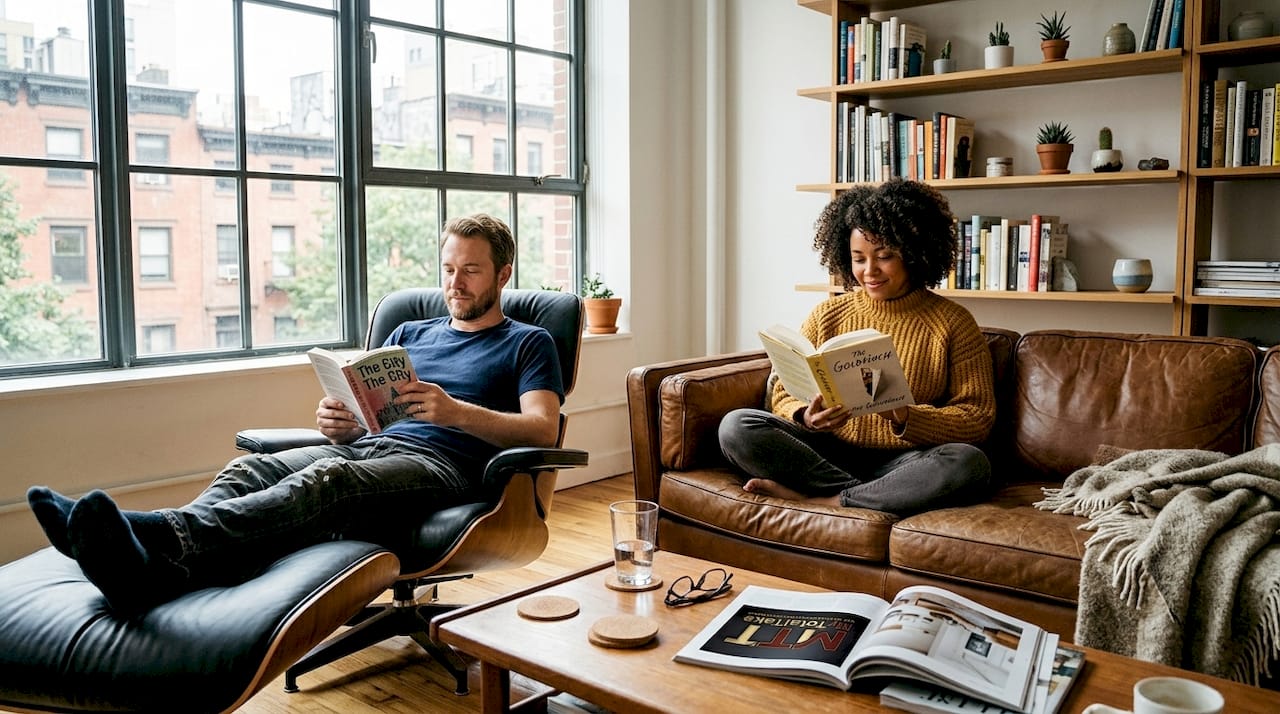
Most people assume all furniture loses value the moment it leaves the showroom. That assumption is worth questioning. Design-led furniture holds long-term value through superior craftsmanship, durable materials, and timeless aesthetic appeal — qualities that mass-market alternatives simply cannot replicate. When you understand what separates a well-made sofa from a flat-pack substitute, the conversation shifts from “how much does this cost?” to “how much value does this create?” This guide unpacks the real financial, emotional, and environmental case for investing in design furniture, so you can make purchases you will be proud of for decades.
Table of Contents
- The difference: Design furniture vs. mass-market
- Longevity, durability, and the investment case
- Emotional value and well-being: Beyond ROI
- Sustainability and smart living: Long-term impact
- Investment pitfalls: When design furniture isn’t the right play
- The overlooked value: Why emotional return and patience matter most
- Find your next forever piece at My Total Take
- Frequently asked questions
Key Takeaways
| Point | Details |
|---|---|
| Long-term value | Design furniture is built to last decades, saving money over time. |
| Resale appeal | Many high-end pieces retain 45-70 percent of value or appreciate. |
| Elevated living spaces | Luxury furniture boosts both home value and quality of daily life. |
| Sustainable choice | Investing in durable design reduces waste and environmental impact. |
| Smart buying tips | Focusing on timeless, authentic pieces delivers best results and joy. |
The difference: Design furniture vs. mass-market
Not everything with a high price tag qualifies as design furniture. True design pieces are defined by three pillars: exceptional craftsmanship, premium materials, and a recognized creative lineage. Brands like Ligne Roset, Herman Miller, and Eames have built reputations over generations precisely because their pieces perform and look stunning long after trends have shifted.
Mass-market furniture, by contrast, is engineered for low cost and fast turnover. Particleboard frames, synthetic fabrics, and assembly-line construction mean these pieces often show their age within a few years. The numbers are telling: high-end pieces last 15 to 30-plus years, while mass-market items typically last just 4 to 8 years.
Here is a direct comparison:
| Feature | Design furniture | Mass-market furniture |
|---|---|---|
| Lifespan | 15 to 30-plus years | 4 to 8 years |
| Materials | Solid wood, premium upholstery | Particleboard, synthetic fabrics |
| Resale value | 45 to 70% retained | 10 to 35% retained |
| Visual impact | Timeless, gallery-worthy | Trend-dependent |
| Repairability | High, parts often available | Low, often unrepairable |
When you factor in replacement costs, the math changes quickly. A $500 mass-market sofa replaced every five years costs $2,000 over two decades. A $2,500 design sofa that lasts 25 years and retains resale value is a fundamentally different financial proposition. The luxury sofa benefits extend well beyond aesthetics.
Key qualities that define genuine design furniture:
- Joinery and construction: Dovetail joints, hand-finishing, and solid frames rather than staples and glue
- Material provenance: Full-grain leather, solid hardwood, and performance textiles sourced for durability
- Designer attribution: Pieces tied to a recognized designer or house carry cultural and market credibility
- Repairability: Quality pieces can be reupholstered, refinished, or restored rather than discarded
For outdoor spaces, the same principle applies. Investing in long-lasting outdoor pieces means fewer replacements and a more cohesive, elevated environment year after year.
Longevity, durability, and the investment case
Understanding the construction is just step one. Let’s look at how this translates into real returns and lasting enjoyment.
The resale market for design furniture is robust and growing. Premium furniture retains 45 to 70% of its original resale value, and some vintage pieces appreciate by as much as 109%. A verified Eames Lounge Chair or a vintage Knoll Tulip Table doesn’t depreciate like a car. It appreciates like a considered art acquisition.
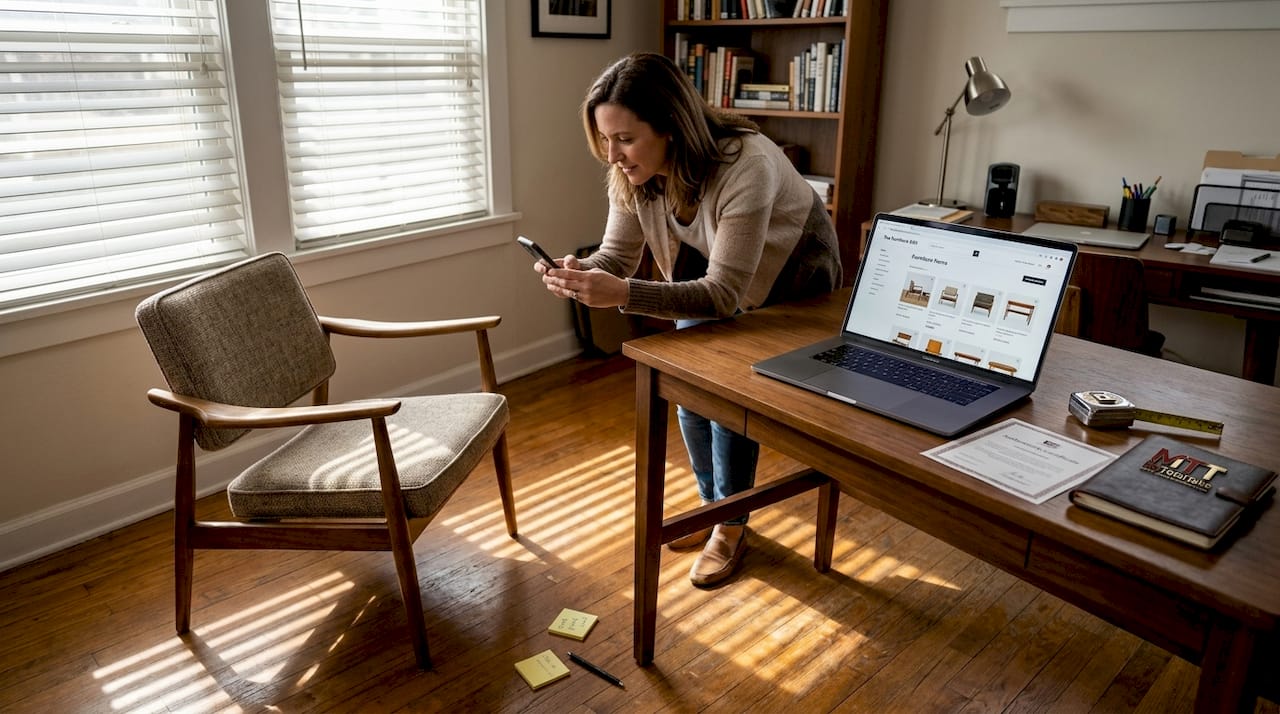
Design chair value trends show that authentic mid-century and contemporary classics are commanding premium secondary market prices in 2026, driven by demand from collectors and interior designers seeking provenance-backed pieces.
The four core factors that determine retained value:
- Craftsmanship: Hand-finished details and precision joinery are nearly impossible to replicate in mass production, making authentic pieces desirable and scarce over time.
- Timeless design: Pieces that avoid trend-specific styling remain visually relevant across decades, maintaining demand in the resale market.
- Rare or premium materials: Full-grain leather, hand-woven textiles, and exotic hardwoods become more appreciated as sourcing becomes more restricted.
- Brand provenance: A verified designer label is a signal of quality and authenticity that the secondary market consistently rewards.
Pro Tip: Apply the 80/20 principle to your furniture budget. Put 80% of your investment into three or four anchor pieces, such as a sofa, a dining table, and a statement chair, and fill the rest of the room with complementary, lower-cost items. This approach maximizes both visual impact and long-term value. Explore options like a plush sofa comfort investment as your living room centerpiece.
Heirloom-worthy furniture is not a luxury reserved for collectors. It is a practical strategy for anyone who plans to own and enjoy their home for the long term.
Emotional value and well-being: Beyond ROI
Financial value aside, the real bonus is how quality design can transform your mood and your home experience.
The field of neuroaesthetics (the study of how beauty and design affect the brain) offers compelling evidence that living with beautiful objects genuinely improves well-being. Luxury furniture elevates mood and supports psychological health, with tactile quality and refined aesthetics measurably reducing anxiety and increasing feelings of calm and pride.
“The spaces we inhabit shape our mental state in ways we rarely credit. A room furnished with intention and beauty doesn’t just look different. It feels different, in ways science is only beginning to quantify.”
Consider the daily experience of sitting in a beautifully proportioned armchair versus a generic alternative. The way it holds your body, the texture of the upholstery, the warmth of the wood grain — these are not superficial pleasures. They compound into a meaningfully better daily life.
Emotional and lifestyle benefits of quality design furniture:
- Reduced anxiety: Tactile richness and visual harmony in a room create a calming environment
- Greater pride of ownership: Living with pieces you genuinely love reinforces a positive sense of home
- Heirloom potential: A well-chosen piece becomes a family legacy, carrying stories and meaning across generations
- Mood elevation: Thoughtful design for well-being creates spaces that energize or soothe, depending on your intention
The design furniture investment perspective increasingly recognizes emotional return as a core part of the value equation. Pairing a statement sofa with the right luxury ambiance elements amplifies these benefits throughout your home.
Pro Tip: When evaluating a potential purchase, sit with it for a moment — literally. Touch the materials, assess the proportions, imagine it in your space five years from now. If it still excites you, it is worth serious consideration.
Sustainability and smart living: Long-term impact
Beyond your four walls, design furniture is also a smart move for the planet.
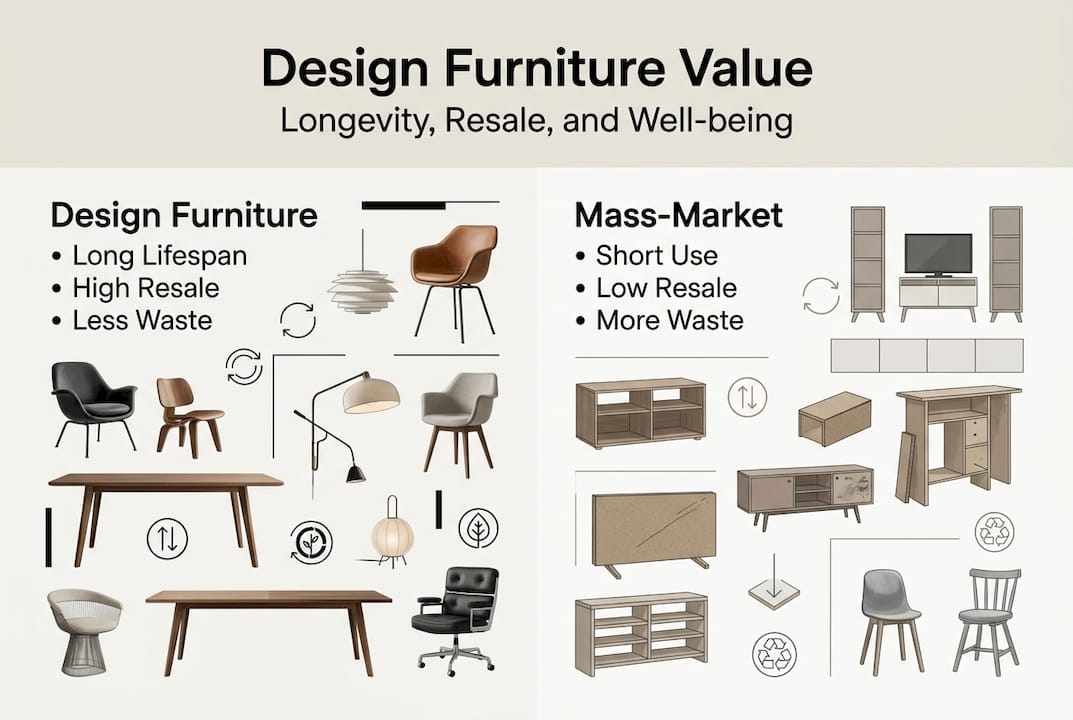
High-end furniture reduces waste through longevity, with renovation budgets increasingly prioritizing pieces built to last rather than those built to be replaced. This is not just good ethics. It is good economics.
Fast furniture has poor resale rates of 10 to 35% and contributes significantly to environmental waste, with millions of tons of furniture ending up in landfills each year. Choosing quality over quantity interrupts that cycle.
Sustainability advantages of investing in design furniture:
- Fewer replacements: A piece built to last 25 years eliminates four or five replacement cycles compared to mass-market alternatives
- Higher resale value: Design furniture retains enough value to find a second life with a new owner rather than heading to a landfill
- Repairability: Quality construction supports restoration, reupholstering, and refinishing rather than disposal
- Responsible sourcing: Leading design houses increasingly commit to sustainable material sourcing and ethical production
For outdoor spaces, the same logic applies. Choosing durable furniture options means less waste and a more refined aesthetic that holds up through seasons without replacement.
Pro Tip: Extending the life of your investment is straightforward with proper care. Use appropriate cleaning products for each material, rotate cushions seasonally, and address minor repairs promptly. Fabrics with longevity perform best when maintained consistently from day one.
Investment pitfalls: When design furniture isn’t the right play
An honest look at when design furniture doesn’t pay off, and how to make sure your investment is a smart one.
Not every expensive piece is a smart buy. Certain categories of furniture are almost guaranteed to lose value regardless of price point, and understanding these pitfalls protects your investment.
Trend-driven or mass-production pieces lose value quickly. A sofa in an aggressively fashionable color or a limited-edition collaboration without genuine design heritage rarely holds its price after the trend fades.
Common investment mistakes to avoid:
- Buying purely for trend: Pieces defined by a moment in time become dated quickly and lose resale appeal
- Ignoring provenance: Without authentic documentation, even visually impressive pieces lose market credibility
- Speculative flipping: Short-term ownership or poor maintenance may lead to losses, as the resale market rewards patience, not speed
- Overlooking condition: A vintage piece in poor condition requires restoration costs that can erode any potential gain
- Chasing obscure brands: Unknown designers rarely command secondary market premiums, regardless of quality
The premium home upgrades that retain value share a common thread: they are chosen with patience, verified for authenticity, and maintained with care. Smart buyers treat design furniture like a considered long-term acquisition, not a quick flip.
Authenticity verification is non-negotiable. Request documentation, research the designer’s catalog, and buy from reputable sources. A genuine Herman Miller chair is worth multiples of a convincing imitation, both financially and experientially.
The overlooked value: Why emotional return and patience matter most
Here is the perspective that most financial analyses of furniture miss entirely: the people who profit most from design furniture are not flippers or speculators. They are owners who live with their pieces, care for them, and let time do its work.
Furniture investment best serves those who plan to keep and enjoy their pieces, as short flips are consistently loss-making. The real return is not captured in a resale receipt. It is captured in thousands of mornings spent in a beautifully designed space that feels genuinely yours.
Think about the heirloom pieces in your family. A grandmother’s solid walnut dining table, a grandfather’s leather reading chair. These objects carry identity and memory in ways no mass-market substitute ever could. That is value no spreadsheet fully captures.
We believe the smartest furniture investment is one you are still excited about twenty years from now. Explore practical comfort ideas that bring daily joy alongside lasting elegance, and prioritize pieces that speak to your taste rather than the market’s current mood.
Find your next forever piece at My Total Take
Ready to bring these insights home? The principles in this guide, anchoring your space with quality, choosing for longevity, and investing with intention, point directly to the kind of curated pieces we offer at My Total Take.
Our collections are selected for lasting value, timeless design, and the kind of craftsmanship that earns its place in your home for decades. Whether you are looking for enduring outdoor furniture, refined luxury dining solutions, or signature living room pieces, browse our unrivaled selection and discover the lasting difference that a well-chosen investment makes. Quality this considered deserves a home this intentional.
Frequently asked questions
How long does design furniture typically last?
High-end design furniture often lasts 15 to 30 or more years, with solid wood tables frequently exceeding 30 years, while mass-market pieces typically wear out within 4 to 8 years.
Does luxury furniture actually increase property value?
Luxury furniture enhances perceived property value and creates mood-enhancing spaces that make homes more compelling to buyers and guests alike, particularly when anchor pieces are used strategically.
Is design furniture always a good financial investment?
Not always. Premium items retain 45 to 70% resale value and some iconic vintage pieces appreciate significantly, but trend-driven pieces often lose value quickly and should be avoided if financial return is a priority.
How does investing in design furniture support sustainability?
Design furniture reduces waste through longevity and high resale rates, meaning fewer pieces end up in landfills compared to fast furniture alternatives that are replaced every few years.
Recommended
Elevate Your Home: How Design Impacts Luxury Decor
Comments
[…] you’re investing in design furniture, you’re acquiring a piece with a defined creative lineage. The chair carries the philosophy of […]
[…] Investing in design furniture rewrites that equation entirely. When superior construction and premium materials are the foundation of a piece, you’re lowering the total cost of ownership over its lifetime. As furniture specialists confirm, well-made furnishings chosen for quality construction and materials reduce replacements and repairs, meaningfully lowering what you spend over time. A sofa purchased for $6,000 that serves your family beautifully for 25 years is a fraction of the cost of a $1,500 piece you replace four times. […]
[…] guides on luxury home decor benefits and investing in artisanal decor offer further detail on making confident, lasting […]
[…] with properly engineered internal structures outlasts flat-pack equivalents by decades. When you invest in design furniture, you’re also investing in the lasting appeal of your property. Buyers and appraisers notice […]
[…] and adaptability are underrated. A well-designed investment piece should work in your current home and your next one. If it only looks right in one specific room […]
[…] choose a console table that already brings something distinctive to the room through silhouette, craftsmanship, or finish. Then the styling can stay minimal and still feel complete. That is often the smartest […]







Leave a comment