
High-end home decor: Craftsmanship, style, and luxury living
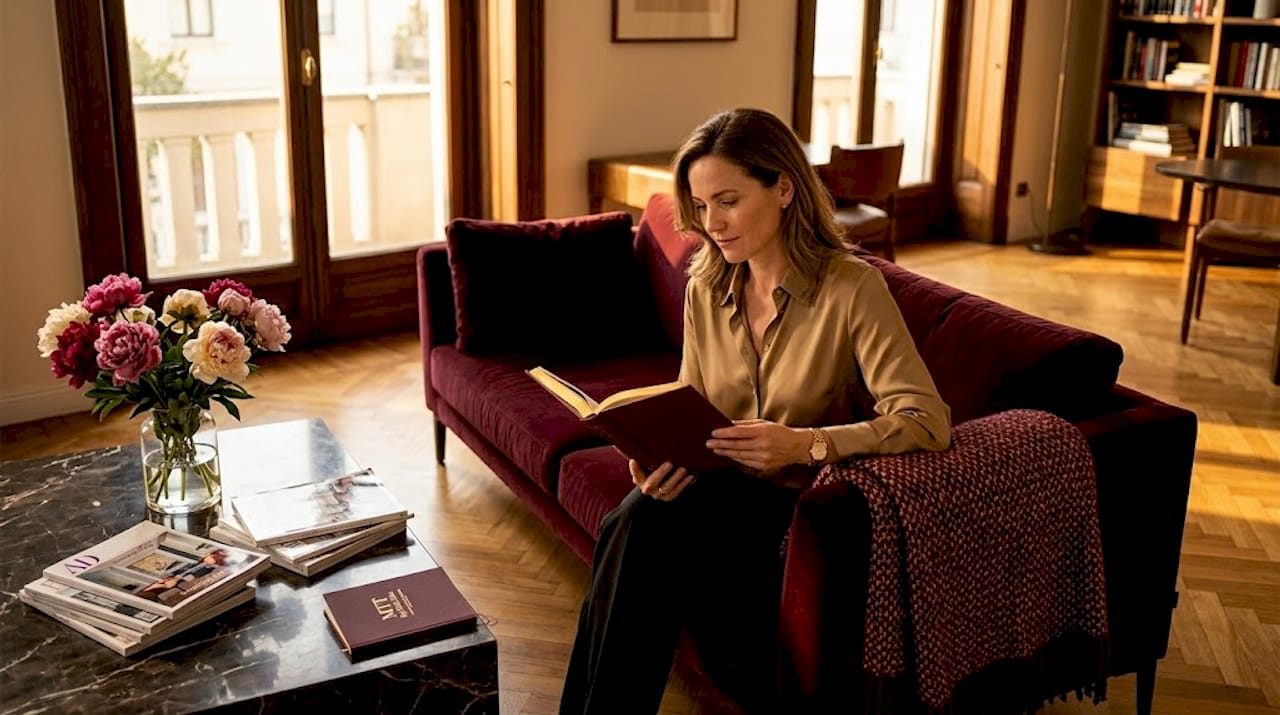
True luxury in home decor has never been about the logo on the label. It lives in the hand-stitched seam of a custom sofa, the cool weight of a marble tabletop quarried from a single slab, and the warm glow of layered lighting that transforms an ordinary room into something you never want to leave. For discerning homeowners who want spaces that feel genuinely exclusive, understanding what separates high-end decor from expensive-but-ordinary purchases is the first step toward making investments that reward you for decades.
Table of Contents
- Defining high-end home decor: More than just price tags
- Key hallmarks of luxury: Craftsmanship, materials, and visible ‘money’ pieces
- Design strategies for compact and urban luxury spaces
- High-end vs. mass-market decor: Lifecycle cost, value, and impact
- The uncomfortable truth: Value in luxury lies beyond branding and trends
- Connect with exclusive luxury decor solutions
- Frequently asked questions
Key Takeaways
| Point | Details |
|---|---|
| Craftsmanship matters most | True luxury is achieved through artisan craftsmanship, not just brand reputation. |
| Longevity beats trends | High-end decor pieces often last decades, reducing replacement needs and costs. |
| Small spaces can feel luxurious | Strategic design using dark tones and reflective surfaces makes even compact homes feel upscale. |
| Smart investment yields value | Investing in ‘money’ pieces and impactful materials delivers lasting aesthetic and financial benefits. |
| Bespoke over branding | Exclusive, personalized decor creates a unique living environment distinct from mass-market options. |
Defining high-end home decor: More than just price tags
Walk into any high-end furniture showroom and you’ll notice something immediately: the pieces don’t shout. They don’t need to. Real luxury communicates through restraint, precision, and materials that feel different the moment you touch them. That quiet confidence is exactly what separates true high-end home decor from mass-market alternatives dressed up with a premium price sticker.
So what actually defines high-end decor? Three pillars stand out consistently: quality of construction, longevity of materials, and exclusivity of design. A handcrafted walnut dining table built by an artisan in Vermont is not the same as a walnut-veneer table assembled from flat-pack components, even if both carry a four-figure price tag. The former is built to be passed down. The latter is built to be replaced.
The numbers back this up. According to luxury furnishing benchmarks, bespoke pieces typically range from $4,500 to $7,000 and beyond per item, while luxury furnishing budgets for complete homes run $100 to $200 per square foot, often totaling $100,000 to $500,000 or more. Critically, well-made high-end pieces carry a durability lifespan of 25 to 50 years, which fundamentally changes how you should think about cost.
“Luxury is not about spending more. It is about spending once, on something made with intention.”
This distinction matters enormously for anyone serious about building a refined living space. When you invest in a piece with genuine craftsmanship, you are not buying furniture. You are acquiring a long-term fixture of your home’s identity.
Key characteristics that define genuinely high-end decor include:
- Handcrafted construction with visible joinery, hand-finished surfaces, and artisan signatures
- Authentic, premium materials such as solid hardwoods, natural stone, hand-blown glass, and full-grain leather
- Custom or limited production that ensures exclusivity and prevents your home from looking like anyone else’s
- Meticulous finishing details including hand-applied lacquers, hand-sewn upholstery, and precision hardware
You can find premium decor deals that meet these standards without compromising on any of these criteria. The key is knowing what to look for before you shop. And if you’re integrating technology into your space, premium smart home upgrades can complement artisan decor beautifully when chosen with the same discernment. For large statement pieces, luxury furniture delivery services ensure your investment arrives without compromise.
Key hallmarks of luxury: Craftsmanship, materials, and visible ‘money’ pieces
Once you understand what high-end decor is, the next question becomes: how do you actually achieve it? The answer lies in a few consistent principles that interior designers and discerning homeowners return to again and again.
Artisan craftsmanship is non-negotiable. A piece made by hand carries something machine production simply cannot replicate: the mark of a human decision at every stage. The slight variation in a hand-thrown ceramic vase, the careful grain matching on a bespoke cabinet, the perfectly tensioned spring system inside a custom sofa. These details are not imperfections. They are proof of care.
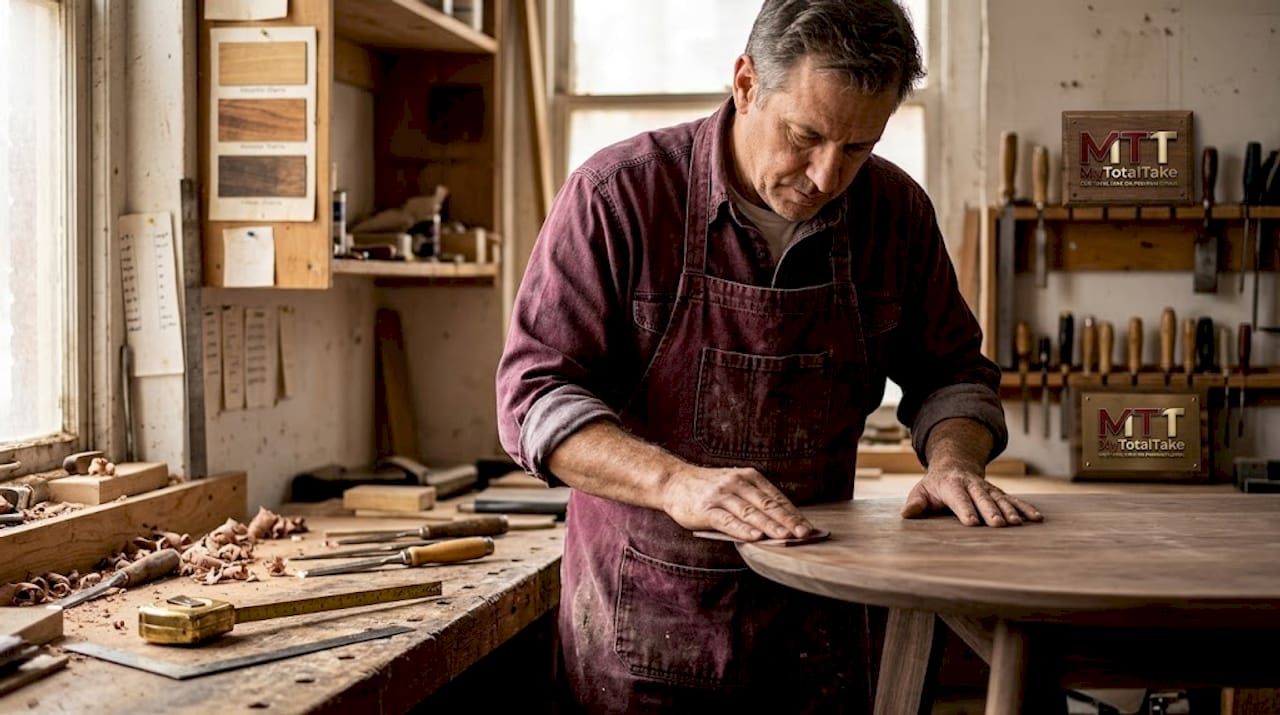
Designer Athena Calderone, whose Manhattan home has become a reference point for sophisticated urban luxury, emphasizes hand-crafted details as the foundation of any truly elevated space. Her guidance is consistent: prioritize natural materials, invest in layered lighting, and choose upholstery and visible “money” pieces with intention. A “money” piece, in design terms, is the item in a room that commands immediate attention and sets the tone for everything around it. Think of a sculptural lounge chair in a rich boucle fabric, or a hand-forged iron chandelier that anchors a dining room.
The artisan craftsmanship and bespoke approach consistently outperforms brand-name purchasing for delivering exclusive, sophisticated aesthetics. The craftspeople behind Calderone’s own home are largely unknown outside design circles, yet their work defines spaces that feel unmistakably refined.
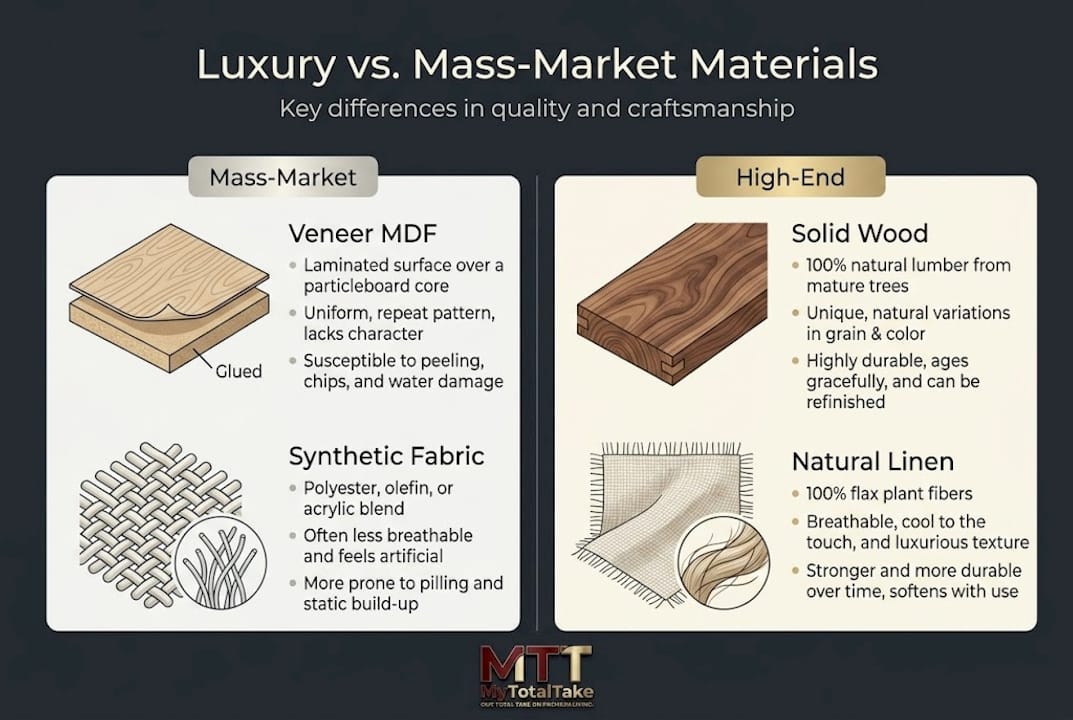
| Material | Mass-market version | High-end version |
|---|---|---|
| Wood | Veneer over MDF | Solid hardwood, hand-finished |
| Upholstery | Synthetic blend | Full-grain leather or hand-woven fabric |
| Stone | Engineered quartz | Natural marble, single-slab sourced |
| Lighting | Injection-molded plastic | Hand-blown glass or forged metal |
| Hardware | Zinc alloy, chrome-plated | Solid brass, hand-polished |
Layered lighting deserves its own mention here. Most homeowners underestimate how dramatically lighting shapes the perception of a space. A room with a single overhead fixture, no matter how beautiful the furniture, will always feel flat. Luxury spaces use three layers: ambient (general illumination), task (functional, directed light), and accent (highlighting architectural features or art). Getting this right transforms a room from pleasant to extraordinary.
Pro Tip: When selecting your “money” piece for any room, choose something you would still love in 20 years. Trends cycle. A beautifully made piece in a timeless silhouette never goes out of style.
Explore timeless furniture for luxury spaces that embody these principles, or consider how a well-chosen statement sofa, like those featured in our cloud couch guide, can serve as the defining “money” piece of an entire living room.
Design strategies for compact and urban luxury spaces
A common misconception is that high-end decor requires grand, sprawling rooms. It does not. Some of the most sophisticated interiors in the world are found in compact Manhattan apartments, Parisian studios, and urban townhouses where every square foot is deliberate. The principles of luxury translate beautifully into smaller spaces when applied with intelligence.
Here are proven strategies for achieving genuine luxury in compact or urban settings:
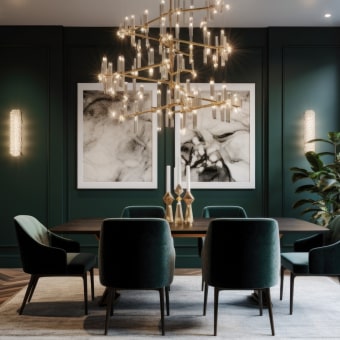
- Embrace dark, saturated tones. Contrary to the instinct to “open up” small spaces with white paint, deep hues like charcoal, forest green, and navy create a sense of intentional intimacy. They make a room feel curated rather than cramped.
- Use reflective surfaces strategically. Mirrors, lacquered furniture, and polished metal accents bounce light and visually expand a space without adding physical square footage.
- Invest in one exceptional piece per room. In a small space, one truly extraordinary item commands more attention than a room full of mediocre pieces. Let it breathe.
- Control the visual line. Floor-to-ceiling curtains hung close to the ceiling draw the eye upward and make ceilings feel higher. This is one of the most effective and underused tricks in residential design.
- Layer textures, not objects. Luxury in a small space comes from tactile richness: a linen throw over a velvet cushion on a leather sofa. Fewer items, more depth.
Interior designer Colin King, known for his moody, atmospheric interiors, advocates for dark tones and reflective surfaces as tools for enhancing perceived luxury in exactly these compact urban environments. His work proves that restraint and intentionality are more powerful than square footage.
“A small room done with conviction will always outperform a large room done without it.”
Art arrangement also plays a significant role in compact luxury spaces. A single large-format work creates more visual impact than a cluttered gallery wall in a tight room. Learn how to approach arranging luxury wall art in ways that feel intentional rather than decorative.
Even bathrooms offer an opportunity. A luxury vessel sink can transform a small bathroom into a spa-like retreat, and bathroom luxury retreats are increasingly where discerning homeowners focus attention. Explore the full range of luxury decor styles to find an approach that suits your space’s specific character.
Pro Tip: In a compact space, the quality of every visible surface matters more, not less. A single stretch of beautifully veined marble in a small bathroom will always feel more luxurious than a large expanse of ordinary tile in a bigger one.
High-end vs. mass-market decor: Lifecycle cost, value, and impact
The financial case for high-end decor is stronger than most people realize, and it rests on a concept called lifecycle cost. This is the total cost of ownership over the useful life of a piece, not just the purchase price. When you calculate it properly, luxury often wins.
Consider this comparison:
| Category | Mass-market piece | High-end piece |
|---|---|---|
| Initial cost | $800 | $4,500 |
| Lifespan | 5-7 years | 25-50 years |
| Replacements over 50 years | 7-10 times | 1-2 times |
| Total cost over 50 years | $5,600-$8,000 | $4,500-$9,000 |
| Aesthetic consistency | Declining | Appreciating |
| Resale or heirloom value | Negligible | Significant |
The math tells a clear story. As lifecycle cost data confirms, high-end pieces that last decades deliver lower total cost than mass-market alternatives requiring repeated replacement. And that calculation does not even account for the aesthetic toll of living with furniture that is visibly aging or deteriorating.
Beyond cost, the experiential difference is significant. Mass-market decor, by definition, is designed for broad appeal and rapid production. It occupies a space without defining it. High-end decor, chosen with care, shapes how a room feels, how guests respond to it, and how you feel in it every single day.
Key factors to evaluate before any significant decor investment:
- Durability of materials: Will this piece hold up to daily use without losing its character?
- Exclusivity: Is this item widely available, or does it carry genuine rarity?
- Repairability: Can it be restored, reupholstered, or refinished rather than replaced?
- Long-term enjoyment: Does it reflect your personal taste deeply enough to remain meaningful in a decade?
- Provenance: Is there a story behind the maker, the material, or the method of construction?
For outdoor spaces, the same principles apply. Explore outdoor furniture durability options that bring the same standards of craftsmanship and longevity to your exterior living areas.
The uncomfortable truth: Value in luxury lies beyond branding and trends
Here is what the luxury market rarely tells you: the most expensive pieces are not always the best ones, and the most recognizable brands are not always the most skilled craftspeople. We have seen this pattern consistently. A homeowner spends significantly on a designer-branded sofa, only to find the construction is no better than mid-market alternatives. Meanwhile, a piece made by an independent artisan in a small workshop, with no marketing budget and no famous name, outlasts and outperforms it by decades.
The uncomfortable truth is that branding and trends are often the most expensive things you pay for in luxury decor. The logo adds cost. The seasonal collection adds urgency. Neither adds craftsmanship. As artisan-first sourcing demonstrates, the most sophisticated spaces are built around bespoke work and skilled makers, not around brand recognition.
Personal curation is the real mark of a refined home. Your space should reflect your specific taste, your history, and your aesthetic sensibility. That cannot be bought off a showroom floor. It requires intention, patience, and the willingness to invest in long-lasting furniture choices that serve your vision rather than someone else’s trend cycle.
The most enduring luxury interiors we admire share one quality: they feel inevitable. Every piece belongs. Nothing is there to impress. Everything is there because it is exactly right.
Connect with exclusive luxury decor solutions
Ready to move from insight to action? At mytotaltake.com, we curate an exclusive selection of high-end decor and furnishings chosen for craftsmanship, material integrity, and lasting elegance. Every piece in our collection is selected with the same discernment this article describes.

Whether you are furnishing a primary residence, a vacation home, or a single statement room, our luxury decor styles guide helps you identify the aesthetic direction that suits your space. From there, our timeless furniture collection gives you access to pieces built to last and designed to define. We combine the expertise of seasoned design advisors with the convenience of a premium e-commerce experience, including fast delivery and free returns on every order.
Frequently asked questions
What defines high-end home decor besides cost?
High-end decor is defined by exclusive craftsmanship, premium materials, and lasting quality. As luxury benchmarks confirm, true luxury is measured through quality, longevity, and exclusivity rather than price alone.
Are bespoke pieces worth the investment for luxury homes?
Yes. Bespoke pieces typically last 25 to 50 years, deliver lower lifecycle costs than mass-market alternatives, and provide a level of exclusivity and beauty that standard production simply cannot match.
How can small apartments achieve a high-end look?
Strategic use of dark tones, layered lighting, and reflective surfaces can visually expand compact spaces and enhance their luxury feel. As Colin King’s approach demonstrates, intentionality and restraint outperform square footage every time.
What are ‘money’ pieces and why are they important?
“Money” pieces are the visually commanding items in a room that immediately establish its sophistication and tone. Investing in upholstery and statement pieces creates lasting impact and defines the character of an entire space.
Is high-end decor less expensive over time?
Yes. High-end decor’s durability means fewer replacements over decades, resulting in lower total lifecycle costs compared to mass-market pieces that require frequent replacement and carry no heirloom value.
Recommended
Comments
[…] is equally critical. Look for craftsmanship in modern decor that involves hand-finishing, joinery made without visible hardware, and upholstery stitched by a […]
[…] role of craftsmanship in home decor is hard to overstate. Artisans who produce fine furniture often spend thousands of hours learning […]
[…] luxury home decor craftsmanship helps you recognize these distinctions before spending, not after. When you train your eye to spot […]
[…] craftsmanship in decor is essential here. Craftsmanship refers to the precision and skill embedded in every element, from […]
[…] a cohesive, high-end outdoor environment, our resource on elevated outdoor living and our broader luxury decor ideas library are worth exploring before finalizing your […]
[…] these high-end decor essentials is the first step toward reframing your purchasing mindset. And the impact of design goes even […]
[…] opulence that says “I can afford more than I need.” Modern elegance inverts that logic. Here, high-end craftsmanship is chosen because it performs and endures, not because it announces itself […]
[…] workflow is only as good as the pieces you put into it. At Mytotaltake, every product in our high-end home decor collection has been selected for craftsmanship, longevity, and that rare quality of fitting […]
[…] The most effective combinations pair hard and soft materials: a leather sofa against a wool throw, a marble side table beside a linen armchair, a ceramic lamp on a raw wood console. Mixing vintage and new pieces adds the character that makes a room feel curated over time rather than purchased in a single afternoon. A well-worn brass candlestick beside a contemporary glass bowl tells a more interesting story than two matching objects from the same collection. You can explore this principle further through Mytotaltake’s perspective on craftsmanship and luxury living. […]
[…] inspiration on how craftsmanship shapes the modern interior, explore Mytotaltake’s guide to high-end home decor. The difference between a room that looks expensive and one that feels genuinely refined comes down […]
[…] right pieces complete a home that is built to impress and built to last. You can also explore our high-end home decor collection for pieces that bring lasting elegance to every […]
[…] You interact with your shoes, your bag, your bedding, and your seating every single day. Premium home decor and furniture reward investment through quality craftsmanship and timeless style that holds its appeal for […]
[…] runs into online is guessing whether a listing photo actually matches your room. Every rug in our curated home decor collections ships with precise dimensions, scale-reference imagery, and a customer service team that will walk […]







Leave a comment